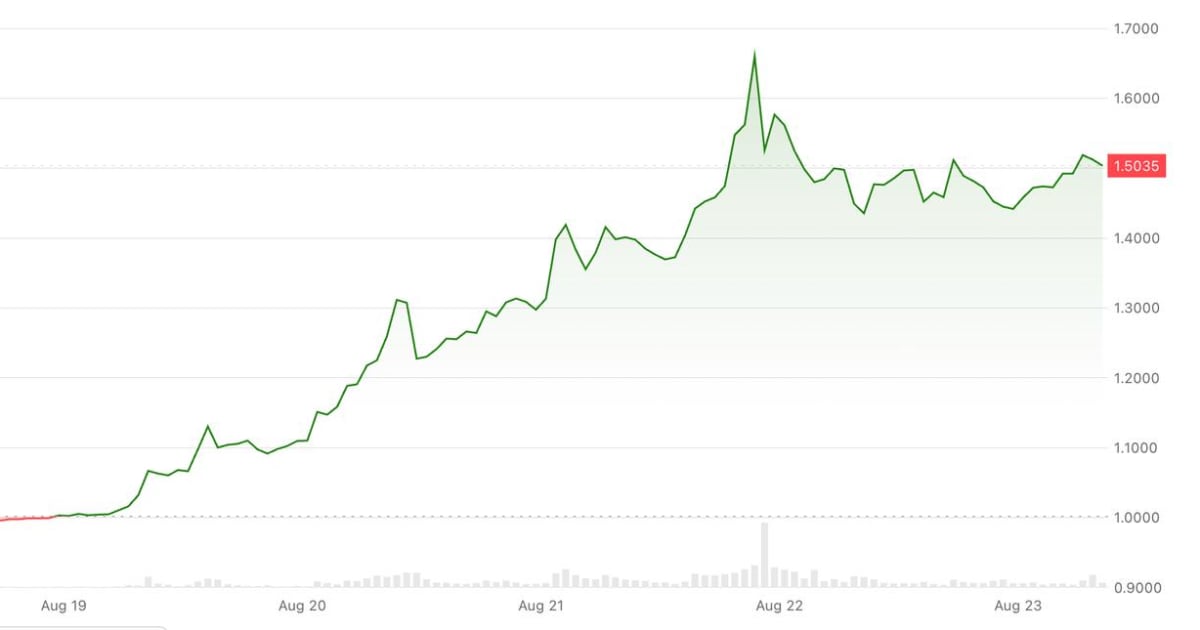
Key Takeaway
Shiprocket's IPO subscription blowout, driven by institutional investors, validates the immense growth potential in India's e-commerce enablement sector. This surge, reflected in a robust Grey Market Premium, positions the company for a strong debut and signals a potential resurgence of investor appetite for tech-driven logistics players.
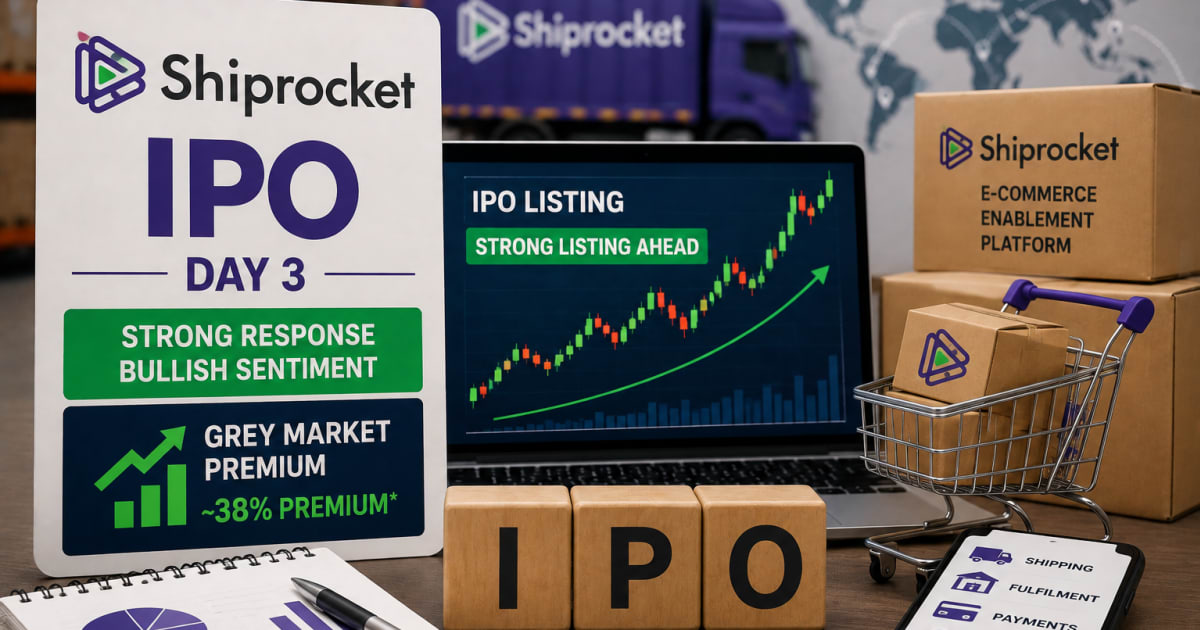
The overwhelming success of Shiprocket's Initial Public Offering, marked by a staggering subscription rate especially from Qualified Institutional Buyers (QIBs), underscores a profound investor conviction in the Indian e-commerce logistics and enablement ecosystem. This strong demand, amplified by a significant Grey Market Premium, suggests a highly anticipated listing that could set new benchmarks for technology-focused logistics firms and influence investment strategies across the sector.
Shiprocket IPO Oversubscription: A Bellwether for India's E-commerce Logistics Boom
The Indian stock market is abuzz with the phenomenal subscription figures of Shiprocket’s Initial Public Offering (IPO), a testament to the burgeoning investor confidence in the country’s e-commerce logistics and enablement landscape. The IPO, which saw an overwhelming response, particularly from Qualified Institutional Buyers (QIBs), closed with a subscription rate that far exceeded expectations, signaling a powerful endorsement of Shiprocket’s business model and its strategic position within the rapidly expanding digital commerce ecosystem. This enthusiastic participation, coupled with a substantial Grey Market Premium (GMP), indicates a strong potential for a successful listing, potentially igniting a renewed wave of investment interest in technology-driven logistics and e-commerce enabler companies across India.
The significance of this event cannot be overstated. In an era where seamless last-mile delivery and efficient supply chain management are paramount to the success of online businesses, Shiprocket has emerged as a key player, offering a comprehensive suite of services from shipping and fulfillment to marketing and customer support. The robust demand observed in its IPO, with subscription levels reaching unprecedented heights, underscores the market's recognition of the critical role such integrated platforms play in empowering small and medium-sized e-commerce enterprises (SMEs) to compete effectively in the digital arena. The substantial allocation to QIBs, which include mutual funds, foreign institutional investors, and insurance companies, is particularly noteworthy. Their participation often reflects a deep-seated belief in the long-term growth prospects and financial health of a company, going beyond speculative short-term gains.
Why is Shiprocket's IPO Success So Crucial Now?
The timing of Shiprocket's IPO is particularly opportune. India’s e-commerce market, though mature in some segments, continues to exhibit remarkable growth, fueled by increasing internet penetration, smartphone adoption, and a growing middle class with disposable income. The COVID-19 pandemic acted as an accelerant, permanently shifting consumer behavior towards online shopping. However, the success of e-commerce is intrinsically linked to the efficiency and cost-effectiveness of its underlying logistics infrastructure. Companies like Shiprocket bridge the gap between online sellers and their customers, managing the complex web of delivery, warehousing, and return logistics. The overwhelming subscription for Shiprocket’s offering suggests that investors perceive this sector not just as a supporting function but as a primary growth engine within the digital economy.
The high Grey Market Premium is another critical indicator. The GMP represents the unofficial premium at which IPO shares are traded in the grey market before their official listing on stock exchanges. A substantial GMP, as observed in Shiprocket's case, indicates strong demand and a perception that the stock will trade at a significant premium on its debut. This not only benefits the company by potentially raising more capital but also reassures investors that their initial investment is likely to yield immediate returns, thereby building positive sentiment for future IPOs in the sector. For Shiprocket, this translates to a strong market debut, which can significantly enhance its brand visibility, access to capital for future expansion, and overall valuation.
Deep Market Impact Analysis: Decoding the E-commerce Logistics Sector's Bull Run
The robust performance of Shiprocket's IPO has a ripple effect across the entire Indian stock market, particularly within the e-commerce and logistics sectors. This event signals a potential paradigm shift, moving investor focus towards integrated technology platforms that facilitate online trade, rather than just pure-play e-commerce retailers or traditional logistics providers. The market is clearly rewarding companies that demonstrate a scalable, technology-driven approach to solving the complex challenges of online commerce fulfillment. This is a departure from earlier market cycles where investors might have been more cautious about the profitability and scalability of logistics-heavy businesses.
Historically, the logistics sector in India has been fragmented and often characterized by low margins and operational inefficiencies. However, the advent of digitalization and the rise of organized e-commerce players have created an imperative for sophisticated, technology-enabled logistics solutions. Shiprocket, by offering an end-to-end platform, addresses this need directly. Its success validates the business model of providing a tech-first approach to shipping, warehousing, and customer engagement for online sellers. This could encourage further capital infusion into similar companies and potentially lead to a re-rating of existing listed players in the sector.
The strong QIB participation is a crucial data point. In recent times, institutional investors have become increasingly discerning, focusing on companies with strong fundamentals, clear competitive advantages, and a demonstrable path to profitability. The overwhelming interest from QIBs in Shiprocket suggests that they see these qualities in the company. This could translate into sustained buying pressure post-listing, providing a stable foundation for the stock's performance. The market's reaction to Shiprocket's IPO could also influence the valuation multiples applied to other companies in the e-commerce enablement space, potentially leading to sector-wide revaluations.
Consider the broader market context. The Indian stock market, particularly the Nifty and Sensex, has shown resilience and a growing appetite for growth stories. The digital economy has been a significant contributor to this growth. The success of Shiprocket's IPO reinforces this trend, suggesting that investors are actively seeking out companies that are integral to the digital transformation of the Indian economy. This is not just about buying shares; it's about investing in the infrastructure that underpins future economic growth. The current sentiment is decidedly bullish for the e-commerce logistics and enablement sector, with the potential for a medium-term impact on related stock valuations.
Stock-by-Stock Breakdown: Who Benefits and Who Faces Pressure?
The success of Shiprocket’s IPO creates a dynamic landscape for publicly traded companies in the e-commerce and logistics sectors. Several NSE and BSE listed entities are likely to experience direct and indirect impacts.
- Shiprocket (IPO): The most direct beneficiary, of course, is Shiprocket itself. A successful listing at a premium will bolster its balance sheet, enhance its market credibility, and provide capital for expansion. Its post-listing performance will be closely watched as a benchmark for the sector.
- Delhivery (NSE: DELHIVERY): As a publicly listed competitor in the integrated e-commerce logistics space, Delhivery's performance will be critically compared to Shiprocket's. Shiprocket's strong IPO subscription and potential premium listing could put upward pressure on Delhivery’s valuation multiples if investors perceive it as a proxy for the sector's growth. Conversely, it also highlights the competitive intensity. Delhivery, already a significant player with established infrastructure, might see its market position reinforced if investors view it as a more mature alternative, or face increased scrutiny if Shiprocket’s agile model is perceived as superior.
- Blue Dart Express (NSE: BLUEDART): A well-established player in express air and integrated transportation, Blue Dart Express operates in a related but distinct segment. Shiprocket's success could draw attention to the broader logistics sector, potentially benefiting Blue Dart. However, if Shiprocket's model proves more adept at serving the specific needs of the rapidly growing online seller community, Blue Dart might face renewed pressure to innovate or adapt its service offerings to capture a larger share of the e-commerce pie. Its current market capitalization and revenue figures will be benchmarked against the growth narrative Shiprocket is creating.
- Safexpress (if listed): While Safexpress is primarily known for its warehousing and logistics services for various industries, its potential listing or the performance of similar unlisted players would be indirectly influenced. If Shiprocket’s success highlights the value of tech-enabled, customer-centric logistics for e-commerce, it could spur investment in companies that can pivot or expand their services to cater to this growing segment.
- E-commerce Platforms (e.g., Flipkart, Amazon India - unlisted): While not directly listed on Indian exchanges, the success of Shiprocket as an enabler reinforces the health and growth of the underlying e-commerce platforms. A robust logistics ecosystem is crucial for their operations, and the positive sentiment around Shiprocket could indirectly boost confidence in the overall e-commerce ecosystem in India.
- Other E-commerce Enablers (e.g., Postman, Shiprocket’s smaller competitors): Companies offering similar services like shipping aggregation, return management, or digital marketing for e-commerce sellers will also feel the impact. Shiprocket's IPO success could pave the way for their own fundraising efforts or lead to increased competition as investors seek out the next big player in this niche.
How Will RBI Rate Decisions Affect E-commerce Logistics Stocks?
The Reserve Bank of India's (RBI) monetary policy decisions, particularly regarding interest rates, can have a nuanced impact on e-commerce logistics stocks. Higher interest rates generally increase the cost of capital for businesses, potentially affecting expansion plans and profitability for logistics companies that rely on significant capital expenditure for fleet, warehousing, and technology upgrades. For Shiprocket, a company that is likely to be in a growth phase, higher borrowing costs could impact its path to profitability. Conversely, if the RBI maintains a stable or easing rate environment, it would be conducive for growth-oriented companies like Shiprocket, enabling them to fund expansion more affordably. Investors will be closely monitoring the RBI’s stance as it can influence the overall investment appetite for growth stocks. A stable interest rate environment is generally positive for sectors that are capital-intensive and poised for expansion, like e-commerce logistics.
Expert Perspective: Bulls vs. Bears on Shiprocket's Potential
The market’s enthusiastic embrace of Shiprocket's IPO is met with divergent views from market participants.
Bulls argue: Shiprocket is at the forefront of India's digital commerce revolution, providing indispensable services to millions of online sellers. Its technology-driven platform offers scalability, efficiency, and a clear competitive advantage. The overwhelming QIB interest validates its business model and growth potential. The company is poised to capitalize on the secular growth trend of e-commerce in India, and its success will pave the way for further innovation and consolidation in the logistics enablement sector. They point to the company’s revenue growth and expanding service portfolio as evidence of its strong trajectory.
Bears caution: While acknowledging the sector's growth, bears highlight the intense competition within e-commerce logistics. Companies like Delhivery and numerous smaller players are vying for market share. The high GMP might lead to an overvaluation on listing, creating a risk of a correction if the company fails to meet aggressive growth expectations. Profitability in the logistics sector can be challenging due to thin margins and operational complexities. Long-term success will hinge on Shiprocket's ability to consistently innovate, manage costs effectively, and maintain customer loyalty in a dynamic market. They also raise concerns about the dependence on third-party logistics providers in some operational aspects and the potential for regulatory changes.
Actionable Investor Playbook: Navigating the Shiprocket IPO Landscape
For investors looking to capitalize on the opportunities presented by Shiprocket's IPO and the broader e-commerce logistics sector, a strategic approach is paramount.
- For IPO Investors: If you were allocated shares, consider holding a portion for the medium to long term, given the strong initial sentiment. However, be prepared for potential volatility in the initial trading days. A conservative approach would be to book partial profits on listing day if the premium is substantial, while retaining a core holding for growth.
- For Investors Looking to Buy Post-Listing: Wait for the initial listing frenzy to subside. Look for dips in the stock price that are not driven by fundamental issues but rather by broader market corrections or profit-taking. Entry points around the IPO issue price, or slightly above, could be attractive if the company demonstrates sustained operational performance.
- For Investors in Sector Peers: For existing shareholders of companies like Delhivery (DELHIVERY) and Blue Dart Express (BLUEDART), Shiprocket's IPO success can be viewed as a positive catalyst for the sector. However, it also intensifies the need for these companies to demonstrate their own competitive strengths and growth strategies. Continue to monitor their quarterly results and strategic announcements.
- Diversification is Key: Do not put all your eggs in one basket. While the e-commerce logistics sector shows promise, ensure your portfolio is diversified across different sectors and asset classes to mitigate risk.
- Time Horizon: For Shiprocket and similar growth-oriented companies, a medium to long-term investment horizon (2-5 years) is generally recommended to allow the company to execute its growth plans and for the market to fully appreciate its potential.
Risk Matrix: Potential Headwinds for Shiprocket and the Sector
Despite the bullish sentiment, several risks warrant careful consideration:
- Intense Competition (Probability: High): The e-commerce logistics space is highly competitive, with both established players and new entrants constantly innovating. Shiprocket must continuously invest in technology and service quality to maintain its edge.
- Profitability Challenges (Probability: Medium): The logistics sector is known for its thin margins. Shiprocket's ability to achieve and sustain profitability will be crucial for its long-term success and investor confidence. High operating costs and the need for aggressive pricing could impact margins.
- Overvaluation on Listing (Probability: Medium): A very high GMP can lead to an initial surge that is not fully backed by fundamentals, potentially leading to a price correction if post-listing performance disappoints.
- Regulatory Changes (Probability: Low to Medium): Evolving regulations in the e-commerce and logistics sectors, such as those related to data privacy, pricing, or labor, could impact operational costs and business models.
What to Watch Next: Catalysts for the E-commerce Logistics Story
The trajectory of Shiprocket and the broader e-commerce logistics sector will be shaped by several upcoming factors:
- Shiprocket's Listing Day Performance: The immediate aftermarket performance will set the tone for investor sentiment.
- Quarterly Financial Results: For Shiprocket and its listed peers, consistent revenue growth, improved margins, and progress towards profitability will be key metrics to watch in subsequent earnings reports.
- New Service Launches and Partnerships: Any announcements of new service offerings, strategic partnerships, or expansion into new geographies by Shiprocket or its competitors will be significant catalysts.
- E-commerce Sector Growth Data: Macro trends in India's e-commerce market, including online sales growth and seller acquisition rates, will directly influence the demand for logistics services.
- Investor Con Calls and Management Commentary: Insights from management during earnings calls will provide clarity on future strategies, challenges, and growth outlook.
The overwhelming success of Shiprocket’s IPO is more than just a financial event; it's a powerful signal about the future of commerce in India. Investors who understand the nuances of this evolving sector and monitor these key catalysts will be well-positioned to navigate the opportunities ahead.
See Shiprocket (IPO)'s AI Score
Our algorithmic screener scores Shiprocket (IPO) on fundamentals, momentum, and risk — free to try, no card needed.
Try the AI Screener →Have questions about this story?
Ask Welth, our finance-focused AI research assistant, for a deeper breakdown — free trial included.
Chat with Welth AI →Disclaimer: This content is generated by WelthWest Research Desk based on publicly available reports and is for informational purposes only. It does not constitute financial advice, investment recommendations, or an offer to buy or sell securities. Always consult a qualified financial advisor before making investment decisions.