Key Takeaway
Iran's Strait of Hormuz closure unleashes a critical oil supply shock, poised to inflate India's import bill, weaken the Rupee, and ignite domestic inflation. Investors must brace for significant volatility across energy, consumer, and transportation sectors.
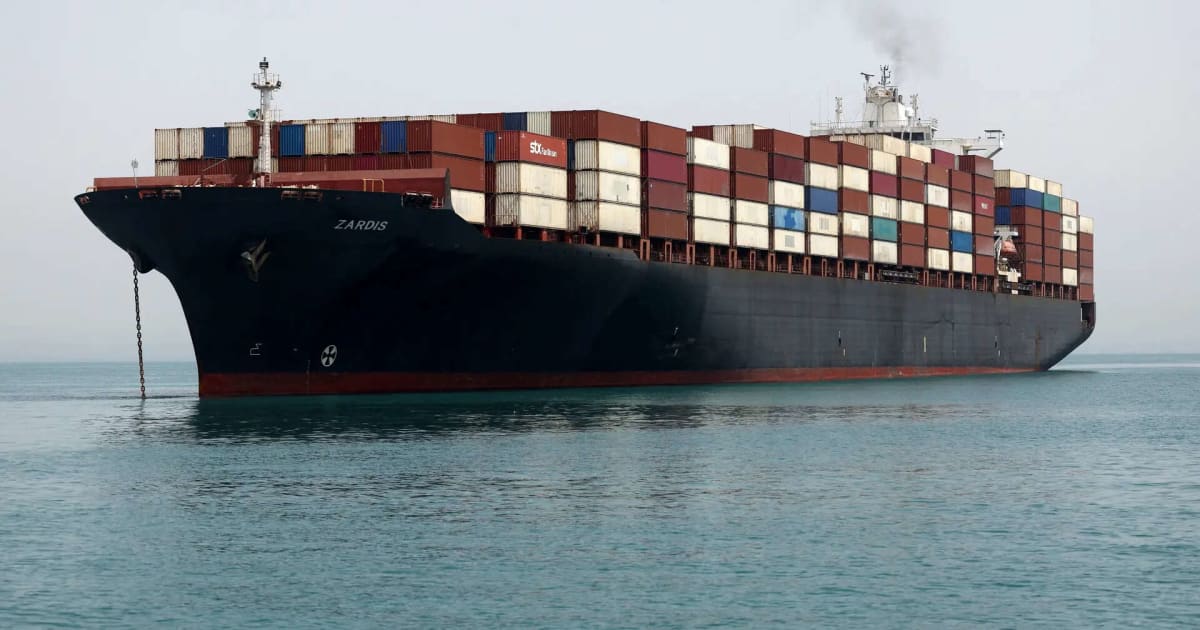
The sudden closure of the Strait of Hormuz by Iran, citing ceasefire violations, has sent shockwaves through global energy markets. This analysis dissects the profound implications for India, exploring its immediate impact on crude oil prices, the Rupee, and inflation. We provide a granular breakdown of which Indian stocks and sectors stand to gain or suffer, offering a clear roadmap for navigating this high-stakes geopolitical event.
Strait of Hormuz Blockade: Iran's Gambit Triggers India's Oil Crisis and Stock Market Turmoil
Iran's dramatic declaration to close the Strait of Hormuz, a pivotal maritime artery, marks a significant escalation in regional tensions and presents an immediate and severe threat to India's economic stability. The geopolitical maneuver, ostensibly a response to alleged ceasefire violations by the United States and Israel, reverberates globally, but its impact on energy-import-dependent economies like India is particularly acute. This event is not merely a headline; it's a direct challenge to the flow of nearly a quarter of the world's oil supply, necessitating a deep dive into its cascading effects on the Indian stock market and its constituent sectors.
Why is the Strait of Hormuz So Critical for India?
The Strait of Hormuz, a narrow waterway connecting the Persian Gulf to the Gulf of Oman, is the undisputed chokepoint for global oil transit. Approximately 20-30% of the world's seaborne crude oil and refined products pass through its waters daily. For India, a nation that imports over 80% of its crude oil requirements, any disruption here is an existential threat. A closure translates directly into a surge in global crude oil prices, a weakening of the Indian Rupee against the US Dollar, and a subsequent inflationary spiral that impacts virtually every facet of domestic economic activity.
The immediate consequence of a Strait of Hormuz closure is a sharp spike in Brent and WTI crude oil benchmarks. This directly inflates India's import bill. Consider that India's crude oil import bill for FY23 stood at approximately $120 billion. A sustained increase of even $10-$20 per barrel can add billions of dollars to this outflow, severely straining foreign exchange reserves and widening the fiscal deficit. The Rupee, already under pressure from global economic uncertainties, is likely to depreciate further as demand for dollars to pay for these costlier imports intensifies. This currency depreciation further exacerbates the import cost, creating a vicious cycle.
Domestically, higher oil prices translate into increased transportation costs for everything from essential goods to manufactured products. This inevitably fuels inflation across the board. The transport sector, heavily reliant on diesel and petrol, faces immediate cost pressures, which are then passed on to consumers. Manufacturing industries, from automotive to chemicals, will see their input costs rise, potentially impacting profit margins and leading to higher product prices. This broad-based inflation can dampen consumer demand and negatively impact economic growth.
Deep Market Impact Analysis: The Ripple Effect on India's Stock Market
The geopolitical shockwave emanating from the Strait of Hormuz will inevitably send tremors through the Indian stock market. The energy sector, particularly oil marketing companies (OMCs) and upstream producers, will be at the forefront of this volatility. The consumer discretionary and industrial sectors, sensitive to input costs and consumer spending power, will also face significant headwinds. Conversely, certain segments of the market could find themselves in a surprisingly advantageous position.
Historically, periods of oil price spikes have been correlated with significant market corrections, especially in emerging markets heavily reliant on imports. For instance, during the 2022 energy price surge, the Nifty 50 experienced considerable downward pressure, with sectors like aviation and automobiles bearing the brunt. The current scenario, with a direct chokepoint closure, suggests a potentially more prolonged and severe impact than a mere supply-demand imbalance.
Sector-Level Breakdown:
- Energy: This is the most directly impacted sector. Upstream producers stand to benefit from higher crude prices, while downstream companies (OMCs) face margin compression due to the inability to immediately pass on the full cost increase to consumers.
- Aviation: Aviation Turbine Fuel (ATF) is a significant cost component for airlines. A surge in crude prices directly translates to higher ATF prices, severely impacting airline profitability and potentially leading to fare hikes.
- Automobiles: Higher fuel prices dampen demand for vehicles, especially those with lower fuel efficiency. Increased input costs for raw materials like plastics and metals, often derived from petrochemicals, will also affect manufacturers.
- Paints and Adhesives: These industries are heavily reliant on petrochemical derivatives as key raw materials. Elevated crude prices lead to higher feedstock costs, squeezing profit margins unless price hikes can be effectively implemented.
- Logistics and Transportation: This sector faces a double whammy of higher fuel costs and potentially increased shipping rates if global trade routes are rerouted or become more complex.
- Renewable Energy: While indirectly impacted by overall market sentiment, companies in the renewable energy space might see increased investor interest as the world seeks alternatives to fossil fuels in the face of supply chain vulnerabilities.
- Gold and Safe Havens: Geopolitical uncertainty and inflation fears typically drive investors towards safe-haven assets like gold, which could see increased demand and price appreciation.
Stock-by-Stock Breakdown: Navigating the Winners and Losers on NSE/BSE
The strategic closure of the Strait of Hormuz will create distinct winners and losers within the Indian stock market. A careful analysis of specific companies and their operational models is crucial for informed investment decisions.
Potential Winners:
- Oil and Natural Gas Corporation (ONGC) & Oil India Limited (OIL): As upstream producers, these companies stand to benefit significantly from elevated crude oil prices. Their revenue and profitability are directly correlated with the price of crude. For instance, with crude prices potentially breaching $100-$120 per barrel, their earnings per share (EPS) could see substantial upward revisions. Their market caps, while substantial, may not fully reflect the immediate upside potential from sustained high oil prices.
- Shipping Corporation of India (SCI): While the immediate impact might be complex due to potential rerouting and increased voyage durations, a prolonged disruption could lead to higher freight rates for alternative routes. SCI, as a domestic shipping entity, could see increased demand for its services if global shipping companies face capacity constraints or higher operational costs. Its current P/E ratio and book value will be key metrics to watch for potential revaluation.
- Renewable Energy Companies (e.g., Tata Power, Adani Green Energy): In the long term, such supply chain disruptions reinforce the strategic imperative for energy independence and diversification. Companies focused on solar, wind, and other renewable sources could see enhanced investor interest and potentially accelerated project pipelines as governments and corporations seek to de-risk their energy portfolios.
- Gold ETFs and Related Companies: As a classic safe-haven asset, gold is expected to perform well. Investors might flock to Gold Exchange Traded Funds (ETFs) or companies involved in gold mining and trading.
Potential Losers:
- Bharat Petroleum Corporation Limited (BPCL), Hindustan Petroleum Corporation Limited (HPCL), Indian Oil Corporation Limited (IOC): These Oil Marketing Companies (OMCs) are caught in a difficult bind. While they benefit from selling higher-priced products, their inability to immediately pass on the full increase in crude oil costs to consumers (due to government regulations and consumer sensitivity) leads to significant under-recovery and margin compression. Their margins are often dictated by the 'under-recovery' mechanism, which can widen dramatically during crude price spikes. Their P/E ratios often reflect this sensitivity to crude price volatility.
- Asian Paints Limited: The paints and coatings industry is a major consumer of petrochemical derivatives like titanium dioxide and various solvents. A sharp rise in crude oil prices directly translates to higher raw material costs, squeezing profit margins. While Asian Paints has strong pricing power, the speed and magnitude of the cost increase could outpace their ability to pass it on, impacting their sales volume and profitability.
- InterGlobe Aviation Limited (IndiGo): The aviation sector is one of the most vulnerable. Aviation Turbine Fuel (ATF) constitutes a substantial portion of an airline's operating expenses. A spike in crude oil prices directly leads to a spike in ATF prices, severely impacting IndiGo's profitability. This could necessitate fare hikes, potentially dampening passenger demand, or lead to significant losses if costs cannot be recovered.
- Automobile Manufacturers (e.g., Maruti Suzuki, Tata Motors): Higher fuel prices tend to reduce consumer spending on discretionary items like vehicles, particularly those with lower fuel efficiency. Furthermore, the cost of manufacturing components derived from petrochemicals will rise, adding to production costs.
Expert Perspective: Bulls vs. Bears on the Hormuz Closure
The market reaction to the Strait of Hormuz closure will be polarized, with distinct arguments from bulls and bears.
Bulls might argue that this is a temporary geopolitical spat, and diplomatic solutions will be found swiftly. They may also point to the resilience of global energy markets in the past, suggesting that supply chain adjustments will mitigate the worst effects. Furthermore, bulls could highlight that higher energy prices will accelerate the transition to renewables, benefiting long-term green energy investments.
Bears, however, will emphasize the strategic importance of the Strait of Hormuz and the potential for a prolonged blockade. They will highlight the immediate inflationary impact, the pressure on central banks to maintain higher interest rates, and the risk of a global recession if energy supplies are severely curtailed. Bears will also point to the significant financial strain on import-dependent economies like India, leading to currency depreciation and capital flight.
A contrarian view might suggest that while the immediate impact is negative, this event could serve as a catalyst for India to accelerate its domestic energy exploration and production efforts, as well as bolster its strategic petroleum reserves. However, the short-to-medium term outlook remains decidedly bearish for sectors heavily exposed to crude oil prices.
Actionable Investor Playbook: Navigating the Volatility
Given the high-impact nature of this event, a prudent investor playbook is essential:
- For Short-Term Traders: Consider shorting stocks of OMCs (BPCL, HPCL, IOC) and aviation companies (IndiGo) due to immediate margin pressures. Conversely, look for short-term long opportunities in upstream oil producers (ONGC, OIL) and potentially gold ETFs.
- For Long-Term Investors: This is a period to de-risk portfolios. Reduce exposure to sectors most vulnerable to high oil prices and currency depreciation (automobiles, paints, aviation, heavily leveraged companies). Increase allocation to defensive sectors and companies with strong balance sheets and pricing power.
- Buy/Watch List:
- Buy: Upstream oil producers (ONGC, OIL) on any dips, Gold ETFs, and select renewable energy stocks on a medium-to-long-term view.
- Watch: Companies with strong export exposure, as a weaker Rupee can benefit them. Also, monitor companies with strong domestic demand that can pass on costs effectively.
- Entry Points: For long positions in upstream oil, consider entering during periods of sharp, panic-driven sell-offs in the broader market. For defensive plays, build positions gradually.
- Time Horizons: The immediate impact will be felt over the next 1-3 months. However, the strategic implications for energy security and the transition to renewables could play out over years.
Risk Matrix: Probability Assessment of Key Risks
The geopolitical situation is inherently fluid, but several key risks deserve careful consideration:
- Prolonged Blockade & Global Energy Supply Shock (Probability: Medium-High): If the closure extends beyond a few weeks, it could lead to a severe global energy shortage, triggering widespread economic disruption and potentially forcing a reassessment of global geopolitical strategies.
- Escalation of Regional Conflict (Probability: Medium): The Strait of Hormuz closure could be a precursor to broader military engagements in the region, leading to further instability, supply chain disruptions, and increased risk aversion in financial markets.
- Persistent High Inflation & Interest Rate Hikes (Probability: High): The imported inflation from higher energy prices will put immense pressure on central banks, including the Reserve Bank of India (RBI), to maintain or even increase interest rates to combat price rises. This will dampen economic growth and corporate earnings.
- Severe Rupee Depreciation (Probability: High): Sustained high oil import bills and potential capital outflows due to geopolitical risk will likely lead to a significant and potentially sustained weakening of the Indian Rupee, impacting import costs and inflation further.
What to Watch Next: Upcoming Catalysts and Data
Investors and analysts should closely monitor the following:
- Geopolitical Developments: Any statements or actions from Iran, the US, Israel, and other major regional players will be critical in determining the duration and severity of the blockade.
- Crude Oil Prices: The daily movement of Brent and WTI crude benchmarks will be the primary indicator of market sentiment and immediate impact.
- Indian Rupee Performance: The INR/USD exchange rate will be a key barometer of the economic impact and investor confidence.
- RBI Monetary Policy Statements: Any shift in the RBI's stance on interest rates in response to inflationary pressures will significantly influence the market.
- Corporate Earnings Reports: As companies report their quarterly results, the impact of higher energy costs and currency fluctuations will become evident in their financial performance.
- Government Policy Announcements: Watch for any government measures aimed at mitigating the impact of high oil prices, such as strategic reserve releases or subsidies.
The closure of the Strait of Hormuz is a stark reminder of the interconnectedness of global geopolitics and economic stability. For India, it presents one of the most significant economic challenges of recent times, demanding vigilance, adaptability, and a data-driven approach from investors and policymakers alike.
See ONGC's AI Score
Our algorithmic screener scores ONGC on fundamentals, momentum, and risk — free to try, no card needed.
Try the AI Screener →Have questions about this story?
Ask Welth, our finance-focused AI research assistant, for a deeper breakdown — free trial included.
Chat with Welth AI →Disclaimer: This content is generated by WelthWest Research Desk based on publicly available reports and is for informational purposes only. It does not constitute financial advice, investment recommendations, or an offer to buy or sell securities. Always consult a qualified financial advisor before making investment decisions.