Key Takeaway
The NCLAT appeal against Subhash Chandra's insolvency plan signals renewed scrutiny on India's debt resolution efficacy, potentially delaying recoveries for PSU banks and casting a bearish shadow on their asset quality outlook.
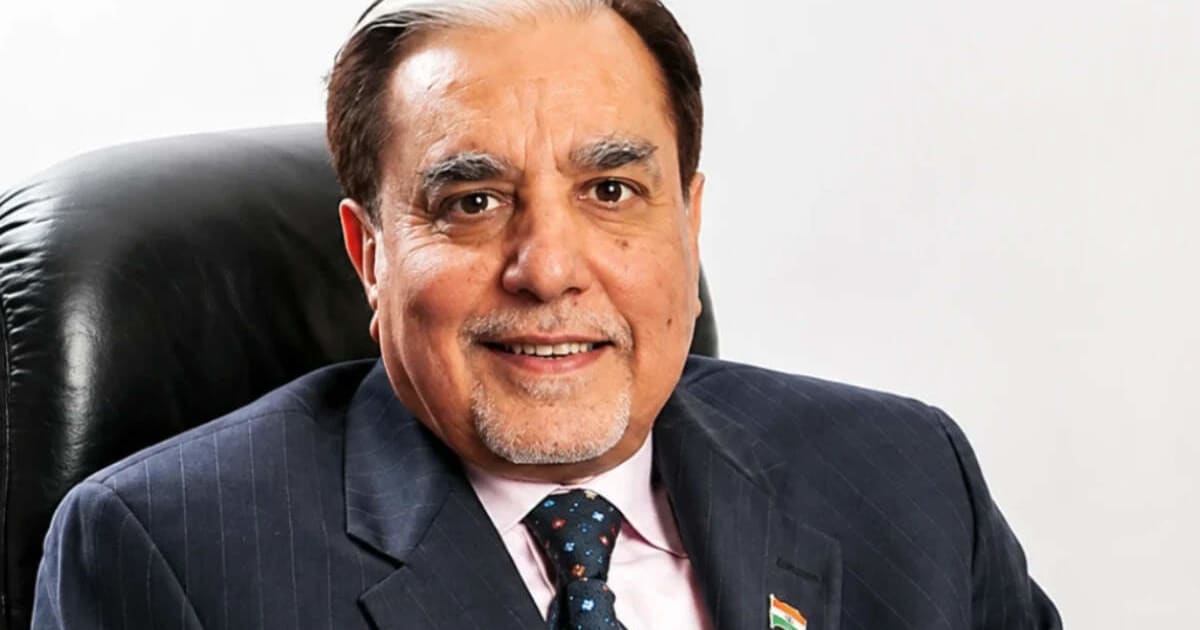
Public sector banks are challenging the NCLT's approval of Subhash Chandra's insolvency plan, setting the stage for a critical legal battle. This move highlights fundamental issues within India's insolvency framework and could significantly impact the asset quality and investor sentiment for major lenders, with far-reaching implications for the broader Indian banking sector and future debt recovery processes.
Subhash Chandra IBC Challenge: Indian Banking Sector Braces for Precedent-Setting Battle
The Indian financial landscape is abuzz with a significant development that could redefine the contours of debt resolution for large corporate debtors. In a move that underscores persistent challenges within the Insolvency and Bankruptcy Code (IBC) framework, several prominent public sector lenders, including Union Bank of India (NSE: UNIONBANK), Canara Bank (NSE: CANARABANK), and LIC Housing Finance (NSE: LICHSGFIN), have formally challenged the National Company Law Tribunal (NCLT)'s approval of Subhash Chandra's insolvency resolution plan. This isn't merely a procedural objection; it's a high-stakes legal confrontation that holds profound implications for creditor confidence, the efficacy of debt recovery, and the future asset quality outlook for Indian banks.
The core of the dispute revolves around the NCLT's decision regarding the resolution of personal guarantees furnished by Subhash Chandra, the founder of Zee Entertainment Enterprises Ltd. (NSE: ZEEL), for loans extended to his promoter entities. For the public sector banks involved, the NCLT's initial approval of the resolution plan has fallen short of their expectations for recovery, prompting this appeal to the National Company Law Appellate Tribunal (NCLAT). This challenge illuminates a critical juncture in India's journey towards a robust insolvency regime, raising questions about valuation methodologies, creditor rights, and the ultimate enforceability of personal guarantees in complex corporate structures. The outcome will not only set a precedent for future insolvency cases but also directly influence investor perception of the banking sector's ability to clean up its balance sheets effectively.
Why Does the Subhash Chandra NCLAT Appeal Matter for Indian Banking Stocks?
The significance of this legal battle extends far beyond the immediate parties involved. For the Indian banking sector, particularly public sector undertakings (PSUs), the appeal injects a fresh wave of uncertainty regarding the timelines and quantum of debt recoveries from large, entrenched corporate debtors. While the IBC has been lauded for improving the recovery ecosystem, high-profile challenges like this highlight the lingering complexities. Delays in resolution directly impact banks' provisioning requirements, tie up capital, and can exert downward pressure on their net interest margins (NIMs) and overall profitability.
Historically, prolonged legal battles in insolvency cases have often translated into increased provisioning for banks. For instance, during the peak of the NCLT's initial caseload in 2018-2019, several PSU banks saw their asset quality metrics deteriorate, leading to significant write-downs and impacting their P/E multiples. While the overall Non-Performing Asset (NPA) ratios for Indian banks have shown a downward trend, this specific case could serve as a bellwether for the resolution of legacy stressed assets. A negative ruling for the banks could signal continued weakness in the resolution process for large corporate debtors, potentially slowing down the pace of bad loan clean-up that has been a key driver of banking sector re-rating over the past few years.
Moreover, the case's outcome will be closely watched by domestic and international investors assessing India's business environment and the strength of its legal framework for debt resolution. A favorable outcome for the banks could bolster confidence in the IBC's effectiveness, potentially attracting more foreign institutional investment (FII) into the financial sector. Conversely, an unfavorable or significantly delayed resolution could dampen sentiment, particularly for banks with higher exposure to stressed corporate loans.
Deep Market Impact Analysis: Navigating the Bearish Tides in Indian Banking
The sentiment surrounding the Indian banking sector, particularly public sector lenders, is currently leaning bearish due to this development. While the Nifty Bank Index has largely demonstrated resilience, individual stock performance is likely to diverge based on direct exposure and market perception of resolution efficiency. This challenge introduces a medium-level impact risk, primarily stemming from potential delays in debt recovery and increased provisioning needs.
Consider the broader context: the Indian banking sector, with a collective market capitalization exceeding INR 50 lakh crore, has been on a recovery path, driven by improving asset quality and credit growth. However, cases like Subhash Chandra's remind investors that the journey isn't without its bumps. If the NCLAT upholds the banks' appeal, it could lead to a higher recovery amount, positively impacting their bottom lines. However, the immediate impact is the uncertainty and potential for prolonged legal proceedings, which typically weigh on stock prices.
A historical parallel can be drawn to the Jet Airways insolvency case in 2022. The protracted resolution process, marked by multiple legal challenges and delays, directly impacted lenders like State Bank of India (NSE: SBIN) and Punjab National Bank (NSE: PNB). While the Nifty Bank index saw minor fluctuations, individual bank stocks with higher exposure experienced more pronounced volatility and, in some cases, sustained pressure on their valuations until more clarity emerged. The current scenario with Subhash Chandra's case presents a similar dynamic, albeit with different specifics.
How Will the NCLAT Appeal Affect Specific Indian Banking Stocks?
The direct impact of this challenge will be felt most acutely by the lenders involved. Here's a stock-by-stock breakdown:
- Union Bank of India (NSE: UNIONBANK): As a prominent challenger, Union Bank faces direct exposure to Subhash Chandra's outstanding debt. While specific figures for this particular exposure are not publicly disclosed, the bank's overall stressed asset book, though improving, remains a focus area for investors. A prolonged legal battle could necessitate additional provisioning, potentially impacting its Q1 and Q2 FY25 earnings. Union Bank's current P/E ratio of approximately 8.5x, while attractive, could see downward pressure if recovery timelines extend.
- Canara Bank (NSE: CANARABANK): Another key public sector lender involved, Canara Bank's stock performance will be influenced by the appeal's outcome. The bank has been proactive in cleaning up its balance sheet, reporting consistent profit growth. However, any setback in a high-profile recovery case could temper investor enthusiasm. With a market cap exceeding INR 1.1 lakh crore, even a small percentage shift in recovery expectations can translate into significant valuation changes.
- LIC Housing Finance (NSE: LICHSGFIN): As a non-banking financial company (NBFC) with significant exposure, LIC Housing Finance's participation underscores the cross-sectoral impact of this insolvency challenge. While primarily a housing finance lender, its corporate loan book includes such exposures. Delays in recovery could affect its asset quality metrics and, consequently, its ability to raise capital at favorable rates. Its current dividend yield of around 1.8% might become less attractive if asset quality concerns escalate.
- Zee Entertainment Enterprises Ltd. (NSE: ZEEL): Although not directly a lender, ZEEL is indirectly affected due to the promoter's debt issues. While Subhash Chandra's personal insolvency is separate from ZEEL's corporate balance sheet, market sentiment often links promoter financial health to the underlying company. Any negative news surrounding the promoter's debt could create perceived governance risks or liquidity concerns, even if unfounded. ZEEL's stock, already navigating a complex merger landscape and competitive pressures, could face additional headwinds from this narrative, impacting its P/E multiple of approximately 45x.
Sector peers like State Bank of India (NSE: SBIN) and Bank of Baroda (NSE: BANKBARODA), while not directly involved in this specific appeal, will also be watching closely. The precedent set by the NCLAT will influence their future strategies for recovering from similar personal guarantee cases, potentially affecting their overall asset quality outlook and valuation multiples.
Expert Perspective: Bulls vs. Bears on IBC Resolution
The NCLAT appeal has elicited varied reactions among financial experts and market strategists, highlighting the inherent complexities of India's insolvency framework.
Bearish Argument: "This appeal underscores the persistent challenges in India's IBC, particularly concerning personal guarantees and promoter liabilities. While the framework aims for timely resolution, high-profile challenges like this indicate that the path to full recovery for lenders is often protracted and fraught with legal complexities. Investors should brace for potential delays in provisioning write-backs for involved banks and temper expectations for swift asset quality improvement in this segment. The risk of haircut remains substantial, and the precedent could embolden other debtors to challenge resolution plans, thus slowing down the overall process."
Bullish Argument (Contrarian View): "While the immediate news creates uncertainty, the very act of public sector banks challenging the NCLT's decision demonstrates a stronger stance on creditor rights and a commitment to maximizing recovery. This is a positive long-term signal for the banking sector's ability to clean up its books. The NCLAT's intervention, if it leads to a more favorable outcome for banks, will reinforce the IBC's credibility. Furthermore, the banking sector's overall asset quality is robust, and specific cases, while important, should not overshadow the broader positive trends in credit growth and profitability. Any dip in stock prices due to this news could be a buying opportunity for long-term investors, assuming the NCLAT rules in favor of the banks."
The contrarian view also emphasizes that the legal process, while slow, is essential for establishing clear precedents. A definitive ruling from the NCLAT, regardless of the immediate outcome, will provide much-needed clarity for future cases, ultimately strengthening the framework.
Actionable Investor Playbook: Navigating the Uncertainty
For investors tracking the Indian banking sector, especially those with exposure to the affected public sector banks, a measured approach is crucial. The current environment calls for vigilance and a focus on long-term fundamentals.
- Watch: Investors should closely monitor the proceedings at the NCLAT. Key dates for hearings and any interim rulings will be critical catalysts. Pay attention to management commentary from Union Bank, Canara Bank, and LIC Housing Finance regarding their provisioning strategies and expected recovery timelines.
- Consider Selling/Reducing Exposure (Short-term): For investors with a short-term horizon (3-6 months) and a low-risk tolerance, consider reducing exposure to UNIONBANK, CANARABANK, and LICHSGFIN until more clarity emerges from the NCLAT. The uncertainty could lead to increased volatility and potential dips. This is particularly true if your investment thesis relied heavily on swift and full recovery from stressed assets.
- Consider Holding/Accumulating (Long-term): For long-term investors (1-3 years+) who believe in the fundamental strength of the Indian banking sector and the eventual efficacy of the IBC, any significant dips in these stocks could present an accumulation opportunity. Entry points below their 52-week highs, especially if accompanied by strong broader market sentiment, might be attractive. Focus on banks with diversified loan books and robust capital adequacy ratios that can absorb potential provisioning hits.
- Diversify: Ensure your banking sector portfolio is well-diversified, not overly concentrated in specific PSU banks. Consider private sector banks like HDFC Bank (NSE: HDFCBANK) or ICICI Bank (NSE: ICICIBANK), which generally have lower exposure to legacy corporate stressed assets and stronger balance sheets, potentially offering a hedge against PSU bank specific risks.
The time horizon for this event's resolution is likely medium to long-term, possibly extending into late FY25 or early FY26, given the multi-layered legal process. Therefore, investment decisions should align with this extended timeline.
Risk Matrix: Assessing the Potential Outcomes
Understanding the risks associated with the NCLAT appeal is paramount for informed decision-making:
- Risk of Prolonged Legal Delay (High Probability): The most immediate and probable risk is that the NCLAT appeal, regardless of its eventual outcome, will significantly extend the timeline for debt recovery. This ties up capital for the banks and delays potential write-backs, impacting quarterly earnings.
- Risk of Unfavorable Ruling for Banks (Medium Probability): If the NCLAT upholds the NCLT's original approval or offers a recovery quantum significantly lower than banks' expectations, it could lead to higher provisioning requirements and potentially further haircuts on the outstanding debt. This would directly impact profitability and asset quality metrics.
- Risk of Negative Precedent (Medium Probability): A ruling that is perceived as weak on creditor rights or allows for lower-than-expected recoveries from personal guarantees could set a negative precedent. This might embolden other corporate debtors to challenge resolution plans, thus undermining the long-term effectiveness of the IBC.
- Risk of Contagion to Broader Sentiment (Low Probability): While the immediate impact is confined to specific banks, a severely negative outcome could subtly erode overall investor confidence in the Indian financial system's ability to resolve large corporate defaults efficiently, potentially affecting broader FII flows into the sector.
What to Watch Next: Catalysts for Movement
The trajectory of this story will be shaped by several upcoming catalysts and data releases:
- NCLAT Hearing Dates and Interim Orders: The most immediate watch point will be the scheduling of NCLAT hearings and any interim orders issued. These will provide crucial insights into the pace and direction of the appeal. Investors should monitor legal news portals and stock exchange announcements.
- Quarterly Earnings of Affected Banks (Q1/Q2 FY25): Management commentary during the upcoming earnings calls from Union Bank of India, Canara Bank, and LIC Housing Finance will be critical. Any updates on their provisioning strategies, expected recovery timelines, or specific disclosures related to this case will directly impact stock prices.
- RBI's Stance on Stressed Assets: Any new guidelines or policy statements from the Reserve Bank of India (RBI) regarding the resolution of stressed assets, particularly those involving personal guarantees, could influence the NCLAT's decision-making or provide a broader framework for banks to operate within.
- Government Interventions/Statements: Given the involvement of public sector banks, any statements or interventions from the Ministry of Finance regarding debt recovery or support for PSU banks could also move the needle.
The Subhash Chandra insolvency challenge is more than just a legal skirmish; it's a litmus test for India's evolving financial ecosystem. Its resolution will not only impact the balance sheets of specific banks but will also cast a long shadow, or a bright light, on the future of debt recovery and investor confidence in one of the world's fastest-growing economies.
See UNIONBANK's AI Score
Our algorithmic screener scores UNIONBANK on fundamentals, momentum, and risk — free to try, no card needed.
Try the AI Screener →Have questions about this story?
Ask Welth, our finance-focused AI research assistant, for a deeper breakdown — free trial included.
Chat with Welth AI →Disclaimer: This content is generated by WelthWest Research Desk based on publicly available reports and is for informational purposes only. It does not constitute financial advice, investment recommendations, or an offer to buy or sell securities. Always consult a qualified financial advisor before making investment decisions.