Key Takeaway
Tata Consultancy Services' monumental $1.5 billion acquisition of Porsche's IT arm, coupled with a 5-year AI and automotive technology partnership, validates the prowess of Indian IT services in high-value digital transformation. This strategic move positions TCS and the broader Indian IT sector at the forefront of the burgeoning automotive tech revolution, promising significant revenue uplift and enhanced technological capabilities.
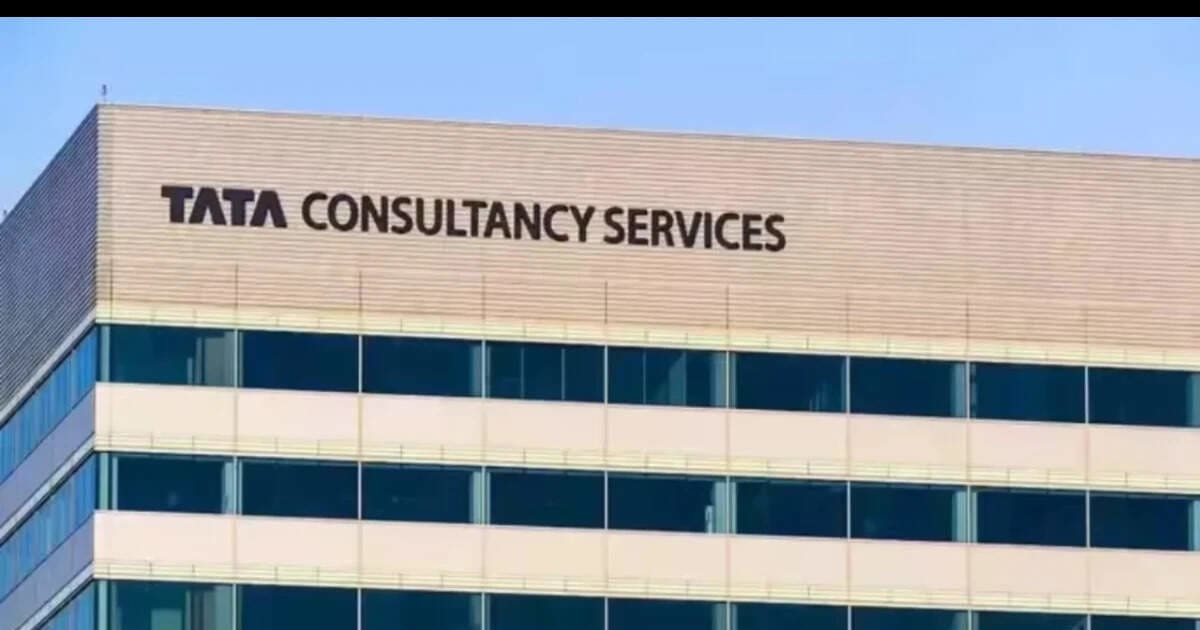
Tata Consultancy Services has secured a landmark $1.5 billion deal to acquire Porsche's IT unit and forge a 5-year technology partnership. This acquisition underscores the escalating demand for advanced AI and software-defined mobility solutions, placing Indian IT giants at the vanguard of global automotive innovation. Investors should closely monitor the ripple effects across the Indian IT landscape and specifically on TCS's future growth trajectory.
TCS's $1.5 Billion Porsche Acquisition: A Definitive Leap in AI and Automotive Technology for Indian IT
The Indian IT services sector has achieved a significant milestone. Tata Consultancy Services (TCS), a titan of the Indian technology landscape, has announced its acquisition of Porsche's internal IT unit for an impressive $1.5 billion. This transaction is not merely an acquisition; it's a strategic masterstroke, cementing a 5-year partnership focused on developing cutting-edge artificial intelligence (AI) and automotive technologies. This development is poised to redefine the competitive dynamics within the global IT outsourcing market and significantly bolster the capabilities and revenue streams of Indian IT giants, particularly in high-growth digital transformation segments.
Why This $1.5 Billion Porsche Deal Matters Now
In an era where the automotive industry is undergoing a seismic shift towards electrification, autonomous driving, and hyper-connectivity, the demand for sophisticated IT solutions has never been greater. The traditional internal IT departments of automotive manufacturers are increasingly finding it challenging to keep pace with the rapid evolution of software-defined vehicles, advanced AI algorithms for predictive maintenance and driver assistance, and complex data analytics required for enhanced customer experiences. This is precisely where the expertise of global IT service providers like TCS becomes indispensable. The Porsche deal signifies a profound validation of the Indian IT sector's ability to not only provide cost-effective solutions but also to deliver complex, high-value digital transformation initiatives for premium global brands. It demonstrates a clear trend of automotive companies looking to leverage external expertise for critical technology development, signaling a potential reduction in the scope for internal IT departments in these specialized areas.
For TCS, this acquisition represents a strategic pivot towards deeper engagement in the automotive value chain, moving beyond traditional IT support to become a key partner in innovation. The $1.5 billion deal is not just about acquiring an IT unit; it's about embedding TCS within Porsche's product development lifecycle, gaining invaluable insights into the intricacies of premium automotive technology. This hands-on experience will be instrumental in developing and refining AI and machine learning (ML) solutions tailored for the automotive sector, a segment projected for exponential growth. The 5-year partnership further solidifies TCS's long-term commitment and provides a predictable revenue stream, crucial for sustained growth and investment in research and development.
Deep Market Impact Analysis: Indian IT's Ascendancy in High-Value Tech
The ramifications of the TCS-Porsche deal extend far beyond the two involved entities, sending ripples across the entire Indian IT services sector. This transaction serves as a powerful testament to the evolving capabilities and global competitiveness of Indian IT firms. Historically, Indian IT companies have been recognized for their cost arbitrage and efficient execution of large-scale IT projects. However, this deal highlights a significant maturation, showcasing their prowess in securing and executing complex, high-value digital transformation projects involving cutting-edge technologies like AI and advanced automotive software. This signals a shift from volume-based contracts to strategic, innovation-driven partnerships, which command higher margins and foster deeper client relationships.
We can draw parallels to previous periods of significant digital acceleration. For instance, in the wake of the global pandemic in 2020-2021, as businesses rapidly adopted remote work and digital customer engagement, the Nifty IT index saw substantial gains, reflecting the market's confidence in the sector's ability to adapt and thrive. This Porsche deal, occurring in a period of increasing demand for specialized tech, is likely to trigger a similar wave of optimism. The market capitalization of TCS, already a behemoth, is expected to see a positive re-rating as investors factor in the long-term revenue potential and enhanced technological capabilities derived from this strategic acquisition. Furthermore, this success is likely to encourage other Indian IT firms to pursue similar high-value engagements in specialized sectors, potentially leading to a broader uplift in the sector's valuation multiples.
The automotive tech market is projected to grow exponentially in the coming decade, driven by the transition to electric vehicles (EVs), the development of autonomous driving systems, and the increasing integration of digital services within vehicles. TCS's strategic positioning through the Porsche deal places it at the vanguard of this growth. The company's enhanced expertise in AI/ML, data analytics, and software development for automotive applications will not only benefit Porsche but also create a blueprint for servicing other automotive clients. This could lead to a significant increase in TCS's revenue from the automotive sector, a segment that has already shown robust growth for Indian IT providers.
Stock-by-Stock Breakdown: Who Benefits and Who Faces Pressure?
The immediate and most significant beneficiary of this transaction is undoubtedly Tata Consultancy Services (TCS). As the acquirer and the primary partner in the 5-year deal, TCS is set to gain substantial recurring revenue, deeper technological expertise, and a stronger foothold in the premium automotive segment. Its market capitalization, currently hovering around ₹14.5 lakh crore, is expected to see a positive impact as investors recognize the strategic value and future growth potential. The deal's terms, including the $1.5 billion valuation, suggest a strategic acquisition rather than a distressed sale, indicating confidence in the future of Porsche's IT operations under TCS's stewardship.
Infosys Ltd. (NSE: INFY), another Indian IT bellwether, will also see indirect benefits. While not a direct participant in this specific deal, Infosys's strong presence in the automotive sector and its own capabilities in digital transformation, AI, and cloud services mean it will likely face increased competition for similar strategic contracts. However, the overall positive sentiment generated by TCS's success could also lead to a broader appreciation of the Indian IT sector, benefiting Infosys as well. Its market cap, around ₹6.5 lakh crore, could see a modest uplift due to sector-wide optimism.
Wipro Ltd. (NSE: WIPRO), a diversified IT services provider, will also be keenly observing this development. Wipro has been actively expanding its digital and cloud offerings, including in the automotive domain. The TCS-Porsche deal highlights the lucrative opportunities available in niche, high-value technology services, potentially spurring Wipro to seek similar strategic partnerships. Its market cap, approximately ₹2.3 lakh crore, could be influenced by the overall sector performance.
HCLTech (NSE: HCLTECH), known for its strong engineering and R&D capabilities, is another key player in the IT services space. The company has been investing heavily in AI and digital solutions for the automotive industry. This deal could serve as a benchmark for HCLTech's future pursuits, encouraging it to aggressively target similar large-scale digital transformation projects with global automotive OEMs. HCLTech's market cap, around ₹3.7 lakh crore, would likely benefit from a positive sector outlook.
Beyond the large-cap IT players, smaller and mid-cap IT companies specializing in AI, ML, and automotive software solutions could also see opportunities. However, the immediate impact would be on the larger players who have the scale and financial muscle to undertake such significant acquisitions and long-term partnerships. Companies like L&T Technology Services (NSE: LTTS), which has a strong focus on engineering R&D services for the automotive sector, could also benefit from the increased demand for specialized engineering and digital solutions, even if they are not directly acquiring IT units. LTTS's market cap, around ₹38,000 crore, could see a positive correlation with the growth in automotive R&D outsourcing.
On the flip side, the internal IT departments of automotive companies that might have previously handled such core technology development could see a reduction in their scope and strategic importance. This could lead to internal restructuring or a redirection of resources towards different areas within the automotive firms.
Expert Perspective: Bulls vs. Bears on the TCS-Porsche Deal
Bullish Argument: Proponents of this deal will highlight it as a transformative moment for Indian IT, showcasing its ability to compete at the highest echelons of global technology services. They will point to the recurring revenue stream from the 5-year contract, the invaluable IP and expertise gained, and the significant premium placed on AI and automotive tech capabilities. This is seen as a clear indicator of TCS's strategic foresight and its capacity to drive future growth through innovation rather than just scale. The deal validates the thesis that Indian IT is moving up the value chain, commanding better margins and securing long-term, sticky relationships with industry leaders.
Bearish Argument: Skeptics, however, might raise concerns about the integration challenges of absorbing Porsche's IT unit, which operates within a distinct corporate culture and technological environment. The execution risk associated with delivering complex AI and next-generation automotive solutions within the stipulated timeframe and budget will be a key point of contention. Furthermore, they might argue that the $1.5 billion price tag, while significant, needs to be evaluated against the long-term profitability and the potential for unforeseen technological obsolescence in the rapidly evolving automotive sector. Bears might also point to the increasing commoditization of IT services, suggesting that even with advanced capabilities, margins could be under pressure in the long run.
Actionable Investor Playbook: Navigating the Indian IT Landscape Post-Porsche Deal
For investors looking to capitalize on this strategic development, a nuanced approach is recommended. The immediate takeaway is a strong bullish sentiment towards TCS and, by extension, the broader Indian IT sector.
- Buy TCS: The most direct play is to accumulate shares of TCS. Given its leadership in this deal, TCS is poised for significant revenue growth and potential margin expansion. Entry points could be considered on any minor dips in the stock price, with a long-term investment horizon of 3-5 years to fully realize the benefits of the Porsche partnership.
- Overweight Other Large-Cap IT Stocks: While TCS is the primary beneficiary, the positive sentiment will likely lift other tier-1 IT services companies like Infosys and HCLTech. Investors may consider increasing their allocation to these stocks, focusing on those with strong automotive sector exposure and robust digital transformation capabilities.
- Watch L&T Technology Services: For investors seeking specialized exposure, LTTS remains a compelling option. The increasing outsourcing of automotive R&D and engineering services, as highlighted by this deal, bodes well for LTTS. Consider accumulating on dips with a 2-3 year outlook.
- Monitor Competitor Responses: Keep a close watch on how other global IT service providers respond. A lack of similar strategic wins by competitors could further solidify TCS's position.
- Sectoral Re-rating: Expect a potential re-rating of the entire IT sector's valuation multiples if similar high-value deals begin to emerge from other premium brands in the automotive or other high-tech industries.
The focus should be on companies demonstrating a clear strategy in high-growth areas like AI, cloud, and specialized industry solutions, particularly those with a strong presence in the automotive vertical. The time horizon for significant returns from this specific catalyst is likely medium to long-term (1-3 years) as integration and project execution progress.
Risk Matrix: Potential Pitfalls in the TCS-Porsche Alliance
While the outlook is largely positive, certain risks could impede the successful realization of this deal's potential:
- Integration Challenges (Probability: Medium): Merging IT operations and cultures of two distinct entities, especially from different geographies and industries, can be complex. Inefficiencies, data migration issues, and cultural clashes could slow down the integration process and impact initial performance.
- Execution Risk in AI and Automotive Tech (Probability: Medium-High): Delivering cutting-edge AI and complex software-defined mobility solutions within aggressive timelines and budgets is inherently challenging. The rapidly evolving nature of these technologies means that continuous innovation and adaptation will be critical, with potential for project delays or cost overruns.
- Dependency on Porsche's Future Strategy (Probability: Low-Medium): While the deal is for 5 years, significant shifts in Porsche's strategic direction or technological roadmap could impact the scope and longevity of the partnership beyond the initial term.
- Cybersecurity and Data Privacy (Probability: Medium): Handling sensitive automotive data and proprietary technology for a premium brand like Porsche necessitates exceptionally robust cybersecurity measures. Any breach could have severe financial and reputational consequences for TCS.
What to Watch Next: Catalysts and Data Points
Investors should keenly monitor several key developments in the coming quarters:
- TCS's Quarterly Earnings Calls: Pay close attention to management commentary regarding the integration progress, initial revenue contributions from the Porsche deal, and any specific project wins or challenges. Look for margin trends and commentary on the automotive segment's growth.
- Analyst Reports on IT Sector Outlook: Track reports from major financial institutions and research houses focusing on the IT sector's growth prospects, particularly in automotive tech and AI.
- Competitor Deal Announcements: Observe if other Indian IT firms announce similar strategic acquisitions or partnerships in the automotive or other high-value technology domains. This would indicate a broader industry trend.
- Industry Conferences and Technology Showcases: Look for announcements or showcases of new AI-driven automotive features or software solutions developed by TCS for Porsche, which would validate the partnership's technological output.
- Automotive Industry Trends: Monitor the broader automotive industry's adoption rates of EVs, autonomous driving, and connected car technologies, as these trends will directly influence the demand for the services TCS will be providing.
The TCS-Porsche deal is more than just a large contract; it's a harbinger of the future of IT services. It signals a paradigm shift where Indian IT giants are not just service providers but strategic innovation partners, particularly in sectors undergoing profound technological disruption. The success of this venture will be a critical indicator of the Indian IT sector's ability to lead the next wave of digital transformation on a global scale.
See TCS's AI Score
Our algorithmic screener scores TCS on fundamentals, momentum, and risk — free to try, no card needed.
Try the AI Screener →Have questions about this story?
Ask Welth, our finance-focused AI research assistant, for a deeper breakdown — free trial included.
Chat with Welth AI →Disclaimer: This content is generated by WelthWest Research Desk based on publicly available reports and is for informational purposes only. It does not constitute financial advice, investment recommendations, or an offer to buy or sell securities. Always consult a qualified financial advisor before making investment decisions.