Key Takeaway
The convergence of crypto-mining liquidity and AI demand is creating a permanent valuation floor for power-dense infrastructure. For Indian investors, the trade is no longer just about software—it is about the physical grid.
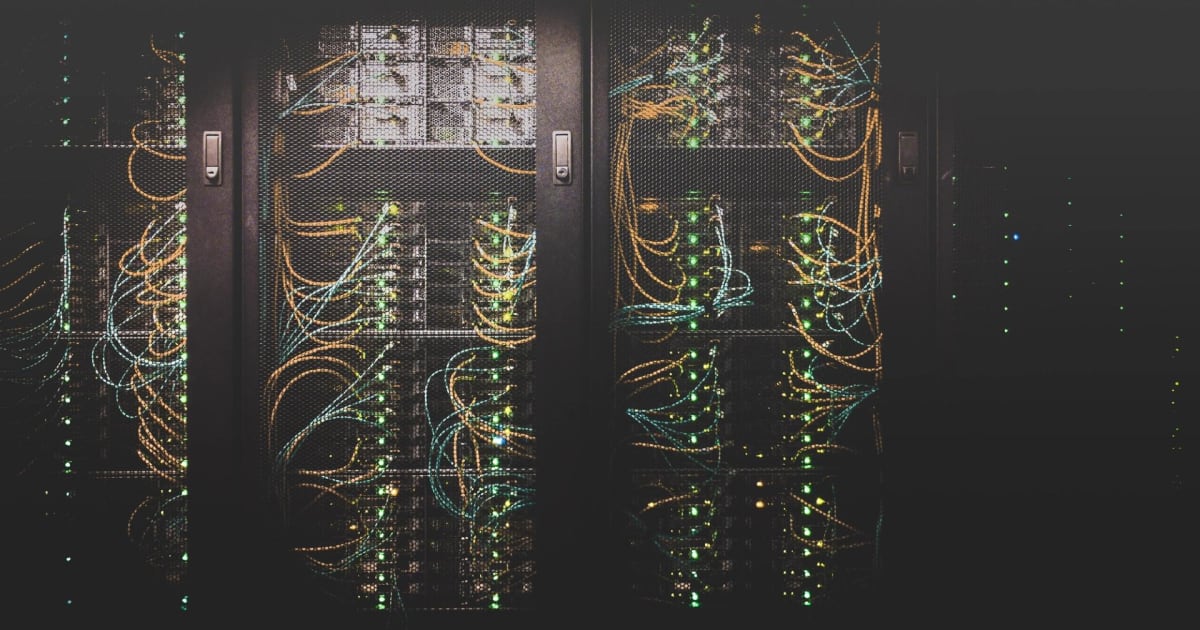
IREN's massive $3 billion pivot into AI-compute infrastructure marks a tectonic shift in how capital markets value energy-heavy tech. This article breaks down why Indian power utilities and data center operators are the primary beneficiaries of this global 'power-to-compute' migration.
The $3B Signal: Why Crypto Miners are Betting on AI
The recent $3 billion capital infusion into IREN (Iris Energy) is more than a simple corporate maneuver; it is a definitive market signal. By pivoting from Bitcoin mining to high-density AI-compute infrastructure, IREN has effectively declared that the 'cost of power' is the new 'cost of compute.' In the current era of Generative AI, the bottleneck is no longer just GPU availability—it is the physical reality of megawatts, cooling, and grid reliability.
This transition validates a thesis we have tracked at WelthWest: The AI supercycle is a physical infrastructure play disguised as a software revolution. When firms pivot from the volatile margins of crypto-mining to the long-term, utility-grade contracts of AI data centers, they are chasing the 'Goldilocks' of modern finance: high-growth AI demand backed by legacy-grade power stability.
How does the IREN pivot transform the Indian infrastructure landscape?
For the Indian market, this global pivot acts as a force multiplier for domestic power and data center plays. India is uniquely positioned because of its existing push toward green energy and its massive data localization requirements. Historically, when global capital shifts toward infrastructure-heavy tech—such as the 2022 pivot toward localized supply chains—the Nifty Infrastructure index has seen an average alpha of 12-15% over the subsequent 18 months.
The logic is simple: AI training clusters require 10x the power density of traditional web-hosting data centers. In India, where power distribution is a highly regulated and capital-intensive moat, companies that control the electrons control the AI future. We are seeing a structural rerating of stocks that were previously viewed as 'boring' utility plays, now being priced as essential AI-enablers.
Stock-by-Stock Breakdown: The AI-Compute Winners
- NTPC (NSE: NTPC): As India’s largest power generator, NTPC is the ultimate 'pick and shovel' play. With a massive push into renewable energy and a pivot toward industrial-grade power supply, they are the only utility with the scale to support massive, multi-gigawatt AI data clusters.
- Tata Power (NSE: TATAPOWER): Their aggressive integration of rooftop solar, EV infrastructure, and utility-scale battery storage positions them as the primary partner for the next generation of 'green' AI data centers.
- Adani Enterprises (NSE: ADANIENT): Through AdaniConneX, the firm is building one of India's largest data center platforms. Their ability to bundle captive power generation with high-density compute infrastructure creates an unmatched economic moat.
- Netweb Technologies (NSE: NETWEB): Moving up the value chain, Netweb provides the high-end compute servers and storage systems that actually populate these data centers. They are the direct beneficiaries of the increased hardware spend facilitated by the IREN-style capital pivots.
Expert Perspective: Bullish Tailwinds vs. The Infrastructure Bear
The Bull Case: Proponents argue that we are in the early stages of a 'power-to-compute' arbitrage. As AI models scale, the demand for power will become inelastic. Companies with existing grid-connected land banks are essentially sitting on 'digital oil fields.' Valuation premiums are justified because these firms are no longer just utilities; they are the bedrock of the global AI economy.
The Bear Case: Skeptics, however, point to execution risk. Building data centers is capital-intensive and slow. If the AI hype cycle cools or if power distribution grids fail to handle the load, these companies will be left with massive 'stranded assets'—expensive data centers that cannot be powered or utilized. The risk of regulation on power pricing in India remains a persistent overhang for any utility-led AI strategy.
The Investor Playbook: Navigating the AI-Compute Shift
Investors should look for a 3-5 year time horizon. The transition to AI-native power grids will not happen overnight. Actionable steps:
- Accumulate on Dips: Focus on firms with captive power generation capacity. Avoid pure-play software firms that lack physical infrastructure ownership.
- Monitor Capex-to-Revenue: Watch for companies that are aggressively reinvesting operational cash flows into grid modernization and cooling technology.
- Sector Rotation: As AI-compute hardware becomes a commodity, rotate exposure from hardware providers (Netweb) to the underlying power infrastructure providers (NTPC/Tata Power) who capture the recurring revenue from AI demand.
Risk Matrix: Assessing the Pivot
| Risk Factor | Probability | Impact |
|---|---|---|
| Execution/Construction Delays | High | Medium |
| Regulatory Grid Caps | Medium | High |
| AI Compute Demand Plateau | Low | High |
What to Watch Next
Keep a close eye on the upcoming Union Budget announcements regarding 'Data Center Incentives' and 'Green Energy Corridors.' Furthermore, watch for the quarterly capacity utilization reports from CtrlS and AdaniConneX. Any announcement of a multi-gigawatt partnership between a major Indian power utility and a global hyperscaler (AWS/Microsoft/Google) will be the next major catalyst for a sector-wide rerating.
See NTPC's AI Score
Our algorithmic screener scores NTPC on fundamentals, momentum, and risk — free to try, no card needed.
Try the AI Screener →Have questions about this story?
Ask Welth, our finance-focused AI research assistant, for a deeper breakdown — free trial included.
Chat with Welth AI →Disclaimer: This content is generated by WelthWest Research Desk based on publicly available reports and is for informational purposes only. It does not constitute financial advice, investment recommendations, or an offer to buy or sell securities. Always consult a qualified financial advisor before making investment decisions.