Key Takeaway
The 8.3% WPI surge signals an imminent margin squeeze for Indian manufacturers. Investors should brace for a cooling in earnings growth as the 'cost-push' transition from factories to balance sheets begins in earnest.
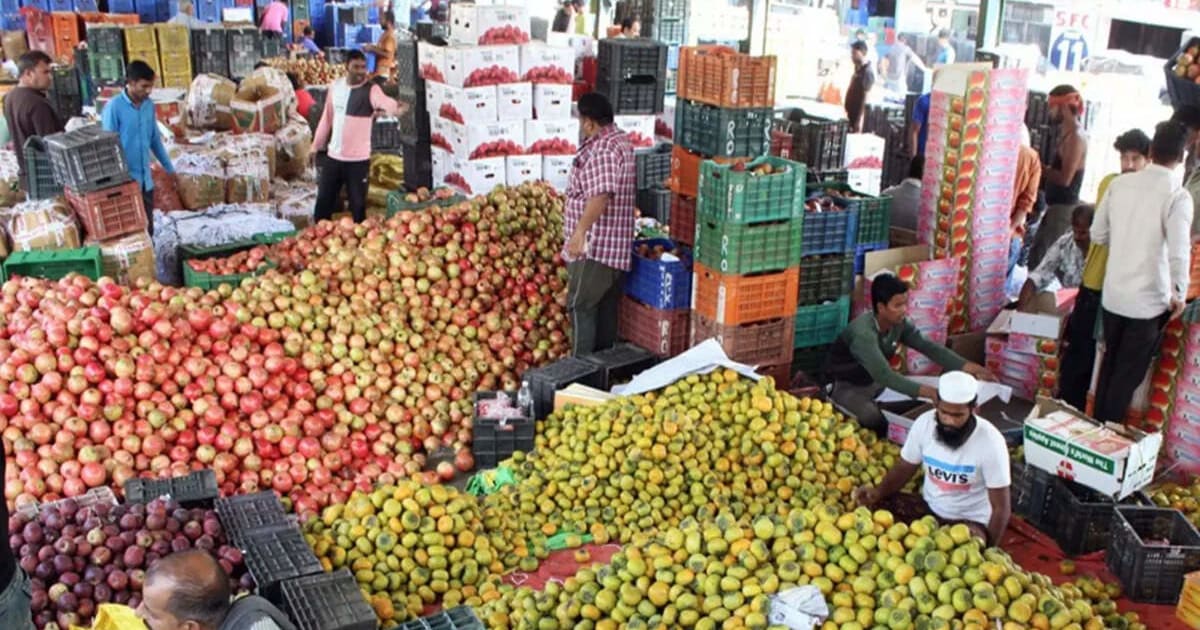
India's Wholesale Price Index (WPI) has climbed to a 42-month peak of 8.3%, driven by a volatile energy complex. This deep-dive analysis explores the ripple effects across Nifty sectors, identifying the clear winners and the vulnerable stocks facing significant earnings contraction.
The Return of the Cost-Push Nightmare: Understanding the 8.3% WPI Spike
For the past three years, Indian markets have been mesmerized by the resilience of corporate earnings. However, the latest WPI print of 8.3%—a 42-month zenith—serves as a stark reminder that the macro environment remains tethered to global commodity volatility. Driven primarily by a surge in crude oil and energy-related inputs, this inflation spike is not merely a headline statistic; it is a fundamental shift in the cost structure of India’s manufacturing engine.
When wholesale inflation accelerates at this pace, the 'lag effect' is the primary concern for institutional investors. Manufacturers typically absorb these costs for 30 to 90 days before attempting to pass them on to consumers. With consumer discretionary spending already showing signs of fatigue, the ability to maintain pricing power is rapidly diminishing, setting the stage for a period of margin compression that has not been witnessed since the mid-2022 inflationary cycle.
How will the WPI surge impact Indian stock market valuations?
Historically, when WPI inflation sustains levels above 7%, the Nifty 50 tends to trade at a discount to its long-term P/E average. In 2022, when similar inflationary pressures took hold, the Nifty experienced a 10-12% correction over two quarters as earnings estimates were aggressively downgraded. The current scenario is eerily similar, with energy prices acting as the primary catalyst.
The Margin Squeeze: A Sectoral Breakdown
The transmission mechanism is clear: high input costs hit the 'Raw Material' line item first, then bleed into 'Operating Expenses.' Sectors with limited pricing power—specifically FMCG and Paints—will be the first to report lower EBIT margins in the upcoming quarterly results. Conversely, upstream entities that benefit from higher realization prices on crude oil and natural gas are positioned to act as a hedge.
Stock-by-Stock Analysis: Winners and Losers
- ONGC (NSE: ONGC): As an upstream player, ONGC benefits directly from higher crude prices. With a P/E ratio significantly lower than the broader market, it offers value and a direct correlation to the energy spike.
- Hindustan Unilever (NSE: HINDUNILVR): A classic loser in this environment. As input costs for palm oil and packaging rise, HUL struggles to raise prices without sacrificing volume growth, leading to a double-whammy on earnings.
- Asian Paints (NSE: ASIANPAINT): Highly sensitive to crude oil derivatives. The company's margins have historically shown a high negative correlation with crude price volatility.
- Maruti Suzuki (NSE: MARUTI): Steel and aluminum costs are rising. Given the intense competition in the SUV segment, Maruti faces significant hurdles in passing these costs to a price-sensitive middle-class consumer base.
- UltraTech Cement (NSE: ULTRACEM): Energy-intensive production makes cement highly vulnerable to fuel inflation. With freight costs also climbing, expect a contraction in EBITDA per tonne.
Expert Perspective: The Hawkish RBI Dilemma
"The central bank is now caught in a structural trap. If they ignore the WPI spike, they risk long-term inflation expectations becoming unanchored. If they react with rate hikes, they choke a nascent private capex cycle." — WelthWest Research Desk Analysis
Bulls might argue that India's domestic demand is robust enough to absorb these costs. However, the bearish reality is that persistent energy inflation forces the RBI to maintain a 'higher-for-longer' interest rate stance. This impacts the cost of capital for debt-heavy firms and raises the discount rate used in DCF models, effectively lowering the intrinsic value of high-growth stocks.
Actionable Investor Playbook
Investors should adopt a 'Barbell Strategy' to navigate this volatility:
- Defensive Positioning: Trim exposure to companies with high debt-to-equity ratios and those in the FMCG/Auto space currently struggling with margin pressure.
- Strategic Accumulation: Look for entry points in energy-efficient manufacturing and those with strong pricing power (moat-based businesses) that can pass costs to consumers without losing market share.
- Time Horizon: Shift focus from short-term quarterly swings to 18-24 month value cycles. The current inflationary spike is likely to last 2-3 quarters; patience is the investor's greatest asset.
Risk Matrix: Assessing the Probabilities
| Risk Factor | Probability | Impact |
|---|---|---|
| Prolonged Crude Volatility | High | Severe |
| RBI Rate Hike | Medium | High |
| Supply Chain Disruption | Low | Moderate |
What to Watch Next: Catalysts for the Coming Month
The next major data release is the Consumer Price Index (CPI) print, which will confirm if wholesale inflation is successfully 'leaking' into retail prices. Additionally, keep an eye on the upcoming MPC meeting minutes, as the RBI's tone regarding 'liquidity management' will be the primary driver for banking sector valuations. Watch for earnings guidance from cement and auto OEMs—any mention of 'cost mitigation' or 'price hikes' will be the critical indicator of future margin health.
See ONGC's AI Score
Our algorithmic screener scores ONGC on fundamentals, momentum, and risk — free to try, no card needed.
Try the AI Screener →Have questions about this story?
Ask Welth, our finance-focused AI research assistant, for a deeper breakdown — free trial included.
Chat with Welth AI →Disclaimer: This content is generated by WelthWest Research Desk based on publicly available reports and is for informational purposes only. It does not constitute financial advice, investment recommendations, or an offer to buy or sell securities. Always consult a qualified financial advisor before making investment decisions.