Key Takeaway
Global capital is aggressively rotating out of speculative assets into cash-equivalent liquidity. For Indian investors, this signals a high-probability correction in high-beta growth stocks as FIIs hedge against tightening global financial conditions.
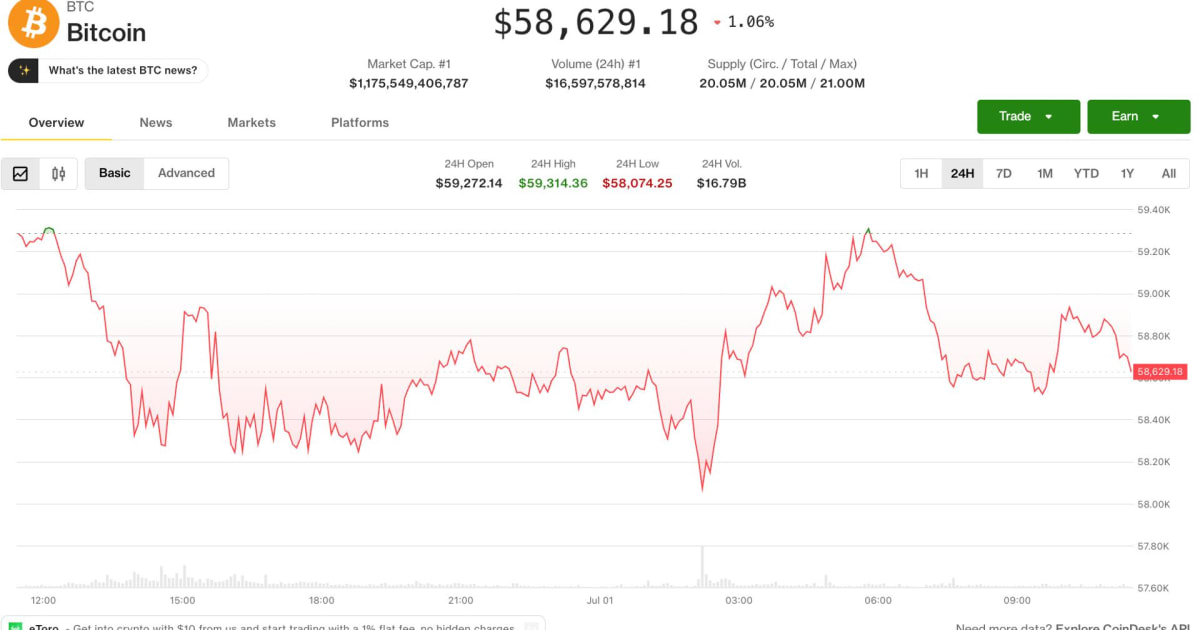
A dual-signal event in Bitcoin and gold markets is flashing a warning sign for global risk appetite. As traders hedge against a $50,000 Bitcoin floor and gold technicals break down, Indian markets face potential FII outflows. This report analyzes the systemic risks to high-beta stocks and outlines a defensive playbook.
The Great Liquidity Squeeze: Why Bitcoin Puts and Gold Signals Spell Trouble
Financial markets are currently witnessing a rare, synchronized cautionary signal from two of the most disparate asset classes: cryptocurrency and precious metals. The recent surge in $50,000 strike price puts for Bitcoin, coupled with a technical 'death cross' in gold futures, suggests that institutional capital is no longer betting on growth—it is betting on survival.
At the WelthWest Research Desk, we interpret this as a definitive flight to liquidity. When speculative crypto assets and traditional inflation hedges simultaneously signal distress, the underlying narrative is a global scramble for cash. For the Indian markets, which have remained resilient despite global volatility, this shift represents a structural headwind that could trigger significant FII (Foreign Institutional Investor) reallocation.
What is driving the global flight to liquidity?
The accumulation of massive short-dated put options at the $50,000 Bitcoin level indicates that sophisticated market participants are preparing for a breakdown in crypto-market support. Historically, when crypto volatility spikes, it acts as a leading indicator for margin calls across the broader risk-on spectrum. Simultaneously, gold’s death cross—where the 50-day moving average crosses below the 200-day moving average—often signals a medium-term exhaustion of the 'safe-haven' trade, suggesting that investors are liquidating gold to cover losses or meet cash requirements elsewhere.
This is not merely a technical glitch; it is a fundamental reassessment of global risk. As the US Dollar Index (DXY) strengthens, the cost of capital rises, forcing a deleveraging cycle. For emerging markets like India, this transition is usually preceded by a reduction in liquidity, putting pressure on high-beta sectors that flourished during the recent liquidity-fueled bull run.
How will the liquidity crunch impact Indian stock market volatility?
The Indian equity market, particularly the Nifty 50 and Nifty Midcap indices, has been driven by strong domestic institutional inflows. However, FIIs remain the primary marginal price setters. When global liquidity tightens, the correlation between US tech stocks and Indian high-beta growth stocks tends to spike. We observed a similar pattern in 2022, when the Nifty corrected nearly 12% in the months following the initial contraction of global liquidity.
The primary concern is the 'domino effect' on valuations. With many high-beta stocks trading at P/E ratios exceeding 60x-80x, any contraction in earnings or a rise in the cost of capital will lead to immediate multiple compression. Investors should prepare for a period where 'quality' is redefined by balance sheet strength rather than top-line growth.
Stock-by-Stock Breakdown: Who is most vulnerable?
In this environment, capital will rotate out of companies dependent on continuous external funding and into those with high free cash flow. Here are the specific tickers to monitor for potential downside risk:
- ZOMATO (Zomato Ltd): As a high-beta growth stock, Zomato is highly sensitive to interest rate fluctuations. With a P/E ratio that remains elevated, a liquidity squeeze could trigger a valuation re-rating.
- POLICYBZR (PB Fintech): Similar to other fintech plays, PolicyBazaar relies on market sentiment for its growth projections. A tightening liquidity environment often forces investors to demand higher hurdle rates, putting pressure on their long-term outlook.
- HINDALCO & VEDL (Vedanta): These commodities-linked stocks are facing a double whammy. Not only are they impacted by the broader industrial slowdown, but the breakdown in gold prices often correlates with a general softening in non-ferrous metal demand, impacting their revenue margins.
Expert Perspective: The Bull vs. Bear Divide
The Bear Case: Bears argue that the confluence of crypto-puts and gold-death-cross signals a systemic liquidity crunch. They point to the 2008 and 2020 patterns where 'everything sold off' as investors scrambled to cover debt obligations. They expect a 10-15% correction in Indian mid-caps as risk parity funds reduce exposure.
The Bull Case: Bulls argue that India’s domestic consumption story remains decoupled from global liquidity. They believe that the 'flight to liquidity' is a temporary reallocation that will eventually favor India as a 'safe harbor' due to superior GDP growth projections compared to the US and Europe.
Actionable Investor Playbook: Navigating the Volatility
Investors should move from a 'growth-at-any-price' strategy to a 'defensive-value' framework. Key actions include:
- Cash Positioning: Increase cash levels to 15-20% of the portfolio to capitalize on potential 'fire-sale' prices in blue-chip stocks.
- Sector Rotation: Shift focus from high-beta tech/fintech to defensive sectors such as FMCG and Pharmaceuticals, which historically exhibit lower beta during liquidity crunches.
- Monitor FII Data: Keep a close watch on NSDL FII flow data. A consistent net-selling streak of over ₹2,000 crore for three consecutive days is a strong exit signal for high-beta positions.
Risk Matrix: Assessing the Probabilities
| Risk Factor | Probability | Impact |
|---|---|---|
| Forced Crypto Liquidations | High | Medium |
| Breakdown in Gold Support | Medium | High |
| FII Outflow Acceleration | High | High |
What to watch next?
The next two weeks are critical. Investors should monitor the upcoming US Consumer Price Index (CPI) release and the Federal Reserve’s statement on interest rate policy. Additionally, watch for any breakdown in the $48,000 support level for Bitcoin, which would likely act as a catalyst for a broader risk-off move. In India, monitor the quarterly earnings of export-oriented firms; any sign of margin compression here will confirm that the liquidity crunch is hitting the real economy.
See HINDALCO's AI Score
Our algorithmic screener scores HINDALCO on fundamentals, momentum, and risk — free to try, no card needed.
Try the AI Screener →Have questions about this story?
Ask Welth, our finance-focused AI research assistant, for a deeper breakdown — free trial included.
Chat with Welth AI →Disclaimer: This content is generated by WelthWest Research Desk based on publicly available reports and is for informational purposes only. It does not constitute financial advice, investment recommendations, or an offer to buy or sell securities. Always consult a qualified financial advisor before making investment decisions.