Key Takeaway
A potential thaw in US-Iran relations could unlock cheap crude for India, providing a massive tailwind for OMCs and margin-sensitive manufacturing sectors. Investors should monitor this as a structural shift in energy import costs rather than a transient geopolitical headline.
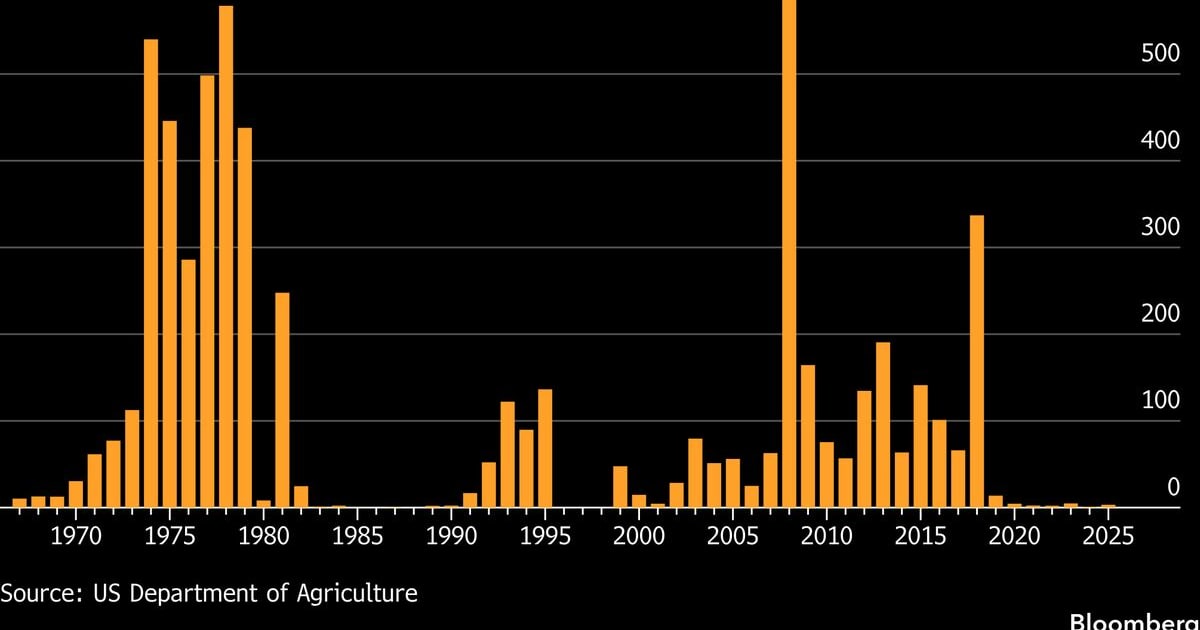
The Trump administration’s proposal to link Iranian asset unfreezing with agricultural exports could fundamentally reorder global crude supply chains. For the Indian markets, this represents a rare opportunity for margin expansion across energy-dependent industries. We analyze the winners, losers, and the high-stakes diplomatic risks involved.
The Geopolitical Pivot: Decoding the Iran-US Agricultural Trade Link
In a move that has sent ripples through both the Chicago Board of Trade and the energy exchanges of the Middle East, the Trump administration has floated a high-stakes diplomatic proposal: linking the unfreezing of Iranian assets to the acquisition of US agricultural commodities. While currently met with deep skepticism by regional analysts, the sheer scale of the potential impact on global crude oil supply dynamics warrants a rigorous look from any serious investor.
For India, the world’s third-largest oil importer, this isn't merely a diplomatic footnote. It is a potential catalyst for a structural reduction in the Current Account Deficit (CAD). With over 80% of India’s crude requirements met through imports, any easing of sanctions on Iranian barrels—even if facilitated indirectly through complex agricultural barter mechanisms—would act as a massive deflationary force on domestic fuel prices.
How will the Trump-Iran proposal impact the Indian energy sector?
The core of this impact lies in the narrowing of the 'geopolitical risk premium' currently baked into Brent crude prices. Historically, when Iranian supply enters the market, global supply-demand balances shift significantly. In 2022, following the outbreak of the Russia-Ukraine conflict, Nifty energy stocks saw massive volatility as oil prices spiked toward $130 per barrel, directly hurting the bottom lines of Indian Oil Marketing Companies (OMCs).
If the Trump proposal gains traction, we anticipate a supply glut in the medium term. For Indian OMCs, this means lower under-recoveries and healthier gross refining margins (GRM). When crude prices drop by $10, India’s total import bill decreases by approximately $12-14 billion annually, providing the Reserve Bank of India (RBI) with more room to maneuver on interest rates by keeping imported inflation in check.
Stock-by-Stock Breakdown: Who Wins in an Energy-Deflation Scenario?
Investors should look beyond the headline and focus on companies where energy costs constitute a significant portion of the OpEx (Operating Expenditure).
- IOCL (Indian Oil Corporation): As the nation's largest refiner, IOCL is the primary beneficiary of lower feedstock costs. With a P/E ratio currently hovering near 5x-6x, any sustained reduction in crude prices would significantly boost its refining margins.
- BPCL & HPCL: These downstream players are highly sensitive to retail fuel price caps. A softer crude environment reduces the political pressure to subsidize fuel, allowing for higher marketing margins.
- IndiGo (InterGlobe Aviation): Aviation Turbine Fuel (ATF) accounts for nearly 40-45% of an airline's operating cost. A dip in crude prices is a direct boost to EBITDA margins. Watch for a potential rerating of IndiGo if oil prices sustain a downward trend below the $75/barrel mark.
- Asian Paints: As a derivative of crude oil, petrochemical inputs are the lifeblood of the paint industry. Lower oil prices allow Asian Paints to expand its gross margins without needing to pass on price hikes to consumers in a competitive market.
Expert Perspective: The Bull vs. Bear Divide
The Bull Case: Proponents argue that the Trump administration’s 'deal-making' approach is pragmatic. If the US can secure a win for American farmers—a key voting bloc—the incentive to overlook minor sanctions violations to facilitate oil-for-food swaps is high. This could lead to a 'shadow' increase in global supply, effectively capping oil prices.
The Bear Case: Skeptics, including many veteran energy traders, point to the deep-seated mistrust between Washington and Tehran. They argue that the proposal is 'diplomatic theater' and that the bureaucratic hurdles—specifically the US Treasury’s sanctions enforcement—will prevent any meaningful volume of Iranian oil from reaching the global market. If the deal collapses, the market could face a 'risk-on' spike in oil prices as the geopolitical premium is repriced upward.
Actionable Investor Playbook
Investors should adopt a 'wait-and-monitor' strategy rather than rushing into positions. The diplomatic process is notoriously slow.
- Accumulation Zone: If news of a formal framework emerges, start scaling into OMCs (IOCL/BPCL) at current technical support levels.
- Hedging: Maintain exposure to gold as a hedge against the 'bear case'—if the deal fails and geopolitical tensions escalate, gold will likely rally as a safe haven.
- Sector Rotation: Monitor the correlation between Brent crude and the Nifty Auto/Paint indices. A 5% drop in Brent is a clear buy signal for high-beta, energy-intensive stocks.
Risk Matrix: Assessing the Probabilities
| Risk Factor | Probability | Impact |
|---|---|---|
| Diplomatic Stalling/Failure | High (65%) | High (Renewed Oil Volatility) |
| US-Iran Backchannel Success | Low (20%) | High (Bullish for OMCs) |
| Global Recessionary Pressure | Medium (15%) | Low (Oil demand destruction) |
What to Watch Next: Key Catalysts
Keep a close eye on the upcoming G20 summit and potential bilateral meetings between US envoys and regional intermediaries. Data releases regarding US agricultural export volumes to the Middle East will be the first 'tell' that the deal is moving from rhetoric to reality. Furthermore, monitor the monthly output reports from the IEA (International Energy Agency) for any unexpected surges in Iranian production, which would be the definitive signal that sanctions are being bypassed.
See IOCL's AI Score
Our algorithmic screener scores IOCL on fundamentals, momentum, and risk — free to try, no card needed.
Try the AI Screener →Have questions about this story?
Ask Welth, our finance-focused AI research assistant, for a deeper breakdown — free trial included.
Chat with Welth AI →Disclaimer: This content is generated by WelthWest Research Desk based on publicly available reports and is for informational purposes only. It does not constitute financial advice, investment recommendations, or an offer to buy or sell securities. Always consult a qualified financial advisor before making investment decisions.