Key Takeaway
The unprecedented rally in Bitcoin, breaching $81,000, signals a significant shift in global risk appetite, with potential ripple effects on Indian tech and fintech stocks. Investors must navigate heightened volatility and regulatory ambiguity.
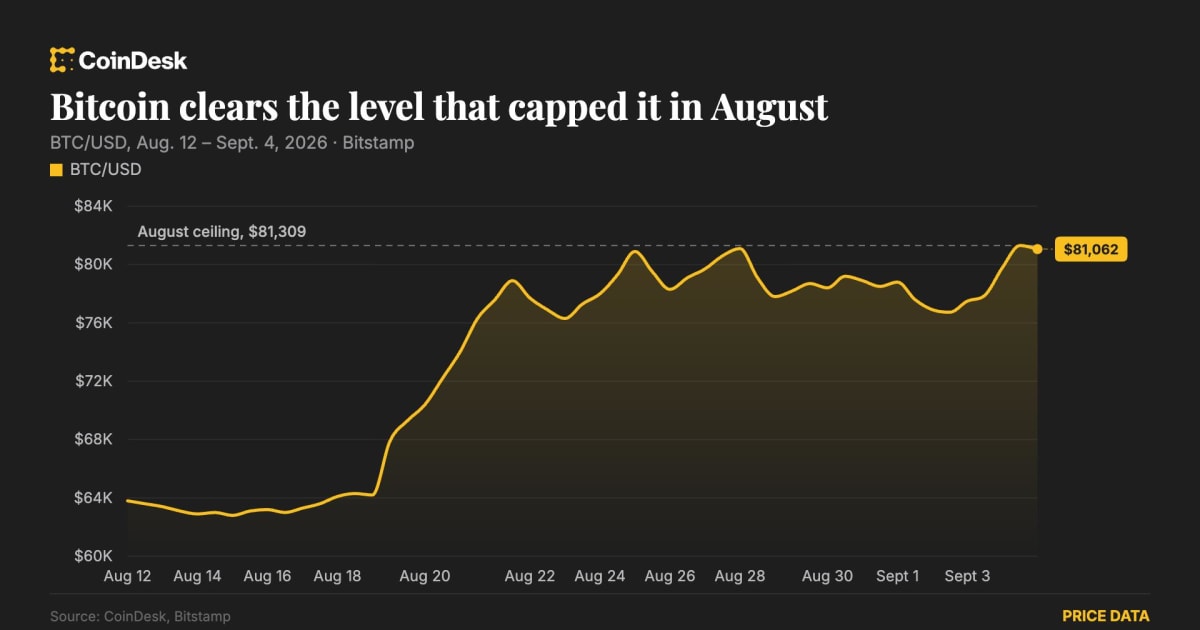
Bitcoin's dramatic ascent beyond $81,000 is not just a cryptocurrency event; it's a bellwether for global risk sentiment. This surge is drawing attention to Indian companies poised to benefit from increased digital asset adoption and technological innovation, while also highlighting inherent market risks.
Bitcoin's Historic Run: A $81,000 Threshold and Its Global Resonance
The cryptocurrency market is experiencing a seismic shift as Bitcoin, the undisputed king of digital assets, has decisively cleared the psychologically crucial $81,000 mark. This surge is not an isolated incident but part of a broader, robust rally across major cryptocurrencies, including Ethereum and various altcoins. The ascent is driven by a confluence of factors, including growing institutional adoption, renewed retail investor interest, and a perceived flight to digital alternatives amid global economic uncertainties. For India, a nation increasingly embracing digital transformation, this crypto exuberance presents both opportunities and challenges, particularly for its burgeoning technology and fintech sectors.
Why This Bitcoin Surge Matters NOW for Global and Indian Markets
The significance of Bitcoin surpassing $81,000 extends far beyond the realm of digital currencies. It represents a powerful indicator of global investor sentiment towards risk assets. When Bitcoin and its peers experience such pronounced rallies, it typically suggests a 'risk-on' environment, where capital flows away from traditionally safer havens like gold and government bonds towards more speculative, high-growth potential investments. This shift in capital allocation can have indirect but palpable effects on emerging markets like India. While direct investment in cryptocurrencies by Indian institutions remains nascent due to regulatory complexities, the broader sentiment shift can influence Foreign Institutional Investor (FII) flows into Indian equities, particularly in technology and innovation-driven sectors. The growing acceptance of cryptocurrencies by major financial players and the increasing interest from retail investors globally underscore a maturing digital asset class, pushing it from the fringe to the forefront of financial discussions.
Deep Market Impact Analysis: Connecting the Crypto Boom to Indian Equities
The immediate impact of the Bitcoin rally on the Indian stock market is primarily indirect, influencing investor psychology and capital flows rather than direct asset correlation. Historically, periods of high global liquidity and risk appetite have often coincided with positive sentiment towards Indian equities, especially those with strong growth narratives. For instance, during the tech boom of late 2020 and early 2021, when global markets were awash with liquidity and speculative fervor, the Nifty IT index saw substantial gains, mirroring the broader trend of embracing growth-oriented assets. While the current crypto rally isn't directly comparable to the speculative tech bubble of that era, it does reflect a similar underlying investor willingness to embrace innovation and potentially higher returns, albeit with commensurate risk.
The Indian market's direct exposure to cryptocurrencies is limited. However, the indirect channels are crucial. Increased global interest in digital assets can lead to a broader 'risk-on' sentiment, potentially boosting FII inflows into Indian equities, particularly into sectors perceived as innovative and future-oriented. The technology sector, with its inherent connection to digital infrastructure and innovation, is a prime beneficiary of this sentiment. Companies involved in blockchain technology, even if not directly trading cryptocurrencies, could see their valuations positively influenced by the growing mainstream acceptance and understanding of distributed ledger technologies. Conversely, if capital is perceived to be migrating significantly into cryptocurrencies, it could, in theory, draw away some speculative capital that might otherwise have found its way into riskier segments of the Indian equity market. However, the sheer scale of the Indian equity market and its diverse investor base suggests that this effect is likely to be nuanced rather than a wholesale redirection of funds.
Sector-Level Breakdown: Where the Crypto Tide Lifts and Drains
The cryptocurrency surge creates clear beneficiaries and potential indirect detractors within the Indian market landscape. The primary winners are companies that directly or indirectly facilitate cryptocurrency transactions or are involved in blockchain technology development. While India's regulatory framework has historically been cautious, the emergence of regulated crypto exchanges and blockchain startups indicates a growing ecosystem.
Winners:
- Cryptocurrency Exchanges & Intermediaries: Companies operating or planning to operate regulated cryptocurrency exchanges in India stand to gain significantly from increased trading volumes and user adoption. Increased Bitcoin prices and trading activity naturally lead to higher transaction fees for these platforms.
- Blockchain Technology Providers: Firms developing or implementing blockchain solutions for various industries, such as supply chain management, digital identity, or decentralized finance (DeFi), will likely see enhanced interest and investment as the underlying technology gains broader recognition.
- Fintech Companies Exploring Digital Assets: Indian fintech companies that are strategically integrating or exploring the use of cryptocurrencies or blockchain for payments, remittances, or other financial services could benefit from the positive sentiment surrounding digital innovation.
- Companies with Crypto Holdings (Limited in India): While rare in India due to regulatory caution, any listed entity with substantial direct holdings in cryptocurrencies would see its balance sheet positively impacted by such a rally.
Indirect Losers/Areas to Watch:
- Traditional Safe-Haven Assets: In theory, a strong 'risk-on' sentiment driven by crypto could lead to reduced demand for traditional safe havens like gold or even some defensive equity sectors if investors aggressively seek higher returns elsewhere. However, the Indian market's unique dynamics often temper such direct correlations.
- Companies Reliant Solely on Traditional Finance: Businesses that are slow to adapt to digital financial innovations or are heavily entrenched in legacy financial systems might find themselves outpaced if speculative capital and innovation tilt towards digital alternatives. This is a long-term trend, but crypto rallies can accelerate the perception.
The sector most directly influenced, albeit indirectly, is technology and its sub-sectors like IT services and fintech. The positive sentiment towards digital assets can spill over into investor confidence in Indian IT majors that are increasingly investing in blockchain R&D and digital transformation services for global clients. Companies offering blockchain-as-a-service (BaaS) or developing decentralized applications (dApps) are also in a favorable position.
Stock-by-Stock Breakdown: Navigating the Indian Equity Landscape
While direct listed cryptocurrency plays are scarce in India due to regulatory ambiguity, the ripple effects of Bitcoin's surge can be observed through companies with indirect exposure or those operating in adjacent digital asset ecosystems. It's crucial to differentiate between direct crypto investment platforms and companies leveraging blockchain technology or benefiting from broader digital asset sentiment.
1. WazirX (Indirect): As one of India's prominent cryptocurrency exchanges, WazirX (though not directly listed on NSE/BSE, it's part of the Binance ecosystem) would undoubtedly see a surge in trading volumes and user sign-ups during such a rally. Increased Bitcoin prices and volatility typically drive higher trading activity, leading to enhanced revenue from transaction fees. If a comparable Indian exchange were publicly listed, its revenue growth from trading commissions and other services would be a key metric to watch. The last significant crypto bull run saw exchanges globally report exponential user growth and revenue increases.
2. CoinDCX (Indirect): Similar to WazirX, CoinDCX, another major Indian crypto exchange, would experience heightened activity. Its business model relies heavily on facilitating crypto trades, and a rally of this magnitude directly translates to increased economic activity on its platform. The growing user base and transaction volumes are critical indicators of its performance during such market phases. The sustained interest in Bitcoin and other cryptocurrencies fuels the demand for such intermediary services.
3. Infosys Ltd. (NSE: INFY): While not a direct crypto player, Infosys, a titan in the Indian IT services sector, has been actively exploring and investing in blockchain technology. The company offers blockchain consulting and implementation services to its global clients, helping them leverage distributed ledger technology for various applications. A mainstream crypto rally underscores the potential of blockchain, potentially increasing demand for Infosys's blockchain-related services and its broader digital transformation offerings. With a market capitalization of approximately ₹6.5 trillion and a P/E ratio around 28, Infosys's growth in specialized tech services, including blockchain, is a key performance indicator.
4. Wipro Ltd. (NSE: WIPRO): Another Indian IT services major, Wipro, has also been developing capabilities in blockchain and digital asset solutions. Its focus on emerging technologies and digital transformation makes it a potential beneficiary of increased market interest in blockchain. As global businesses explore the practical applications of blockchain beyond cryptocurrencies, companies like Wipro, with their extensive IT infrastructure and consulting expertise, are well-positioned to capitalize. Wipro, with a market cap of around ₹2.5 trillion and a P/E of approximately 22, benefits from the overall positive sentiment towards tech adoption.
5. HDFC Bank (NSE: HDFCBANK): While a traditional financial institution, HDFC Bank, and other large Indian banks, are increasingly exploring the potential of blockchain for various banking operations, including cross-border payments and trade finance. The growing acceptance and technological maturation of blockchain, evidenced by the Bitcoin rally, could accelerate their adoption of these technologies. Furthermore, a 'risk-on' sentiment driven by crypto rallies can sometimes lead to increased capital flows into emerging markets, which could indirectly benefit large-cap banking stocks if overall economic activity picks up. HDFC Bank, with a market capitalization exceeding ₹12 trillion and a P/E ratio around 20, represents the traditional finance sector's potential engagement with emerging technologies.
6. Reliance Industries Ltd. (NSE: RELIANCE): Reliance Industries, a conglomerate with diverse interests including telecom (Jio) and retail, is a significant player in India's digital transformation. While not directly involved in cryptocurrency trading, its investments in digital infrastructure, payment solutions, and its exploration of blockchain for various business applications position it to benefit from the broader digital asset ecosystem's growth. The company's foray into digital payments and its extensive network can be enhanced by underlying blockchain technologies. With a market cap exceeding ₹18 trillion and a P/E ratio of around 25, Reliance's innovative ventures are often watched for their alignment with future technological trends.
Expert Perspective: Bulls vs. Bears on the Crypto Surge and Indian Market
Bullish Argument: Bulls view the Bitcoin surge past $81,000 as a validation of digital assets as a legitimate and maturing asset class. They argue that this renewed investor confidence will inevitably spill over into broader risk assets, including Indian technology and fintech stocks. The increasing institutional adoption of Bitcoin, coupled with its limited supply, suggests a long-term upward trajectory. They see this as a precursor to wider acceptance of blockchain technology, benefiting companies that are investing in its development and implementation. For India, this means increased FII inflows into tech sectors and a boost to domestic innovation in the digital space.
Bearish Argument: Bears, on the other hand, remain cautious. They point to the extreme volatility inherent in cryptocurrency markets, highlighting that such rallies are often driven by speculation rather than fundamental value. They fear that the current surge could be a bubble, and a subsequent crash could trigger a broader market correction, impacting risk assets globally, including Indian equities. Regulatory uncertainty in India and globally remains a significant concern. Bears also argue that capital flowing into cryptocurrencies is capital that could have been invested in more productive, traditional assets, potentially hindering long-term economic growth. They advise investors to remain risk-averse and focus on fundamentally sound businesses rather than speculative digital assets.
Actionable Investor Playbook: Navigating the Crypto-Influenced Indian Market
The current market environment, characterized by Bitcoin's impressive rally, calls for a strategic approach for Indian investors. The key is to identify opportunities while meticulously managing the inherent risks.
- For the Risk-Tolerant Investor: Consider a small, speculative allocation to companies with direct or strong indirect exposure to the crypto ecosystem, such as those involved in blockchain technology services or fintech platforms with crypto integration plans. For these, monitor their blockchain R&D spending and partnerships. Potential entry points would be on any significant dips in their stock price, provided their long-term growth story remains intact. A 5-10% allocation to such high-risk, high-reward plays within a diversified portfolio could be considered.
- For the Growth-Oriented Investor: Focus on established Indian IT services companies like Infosys (NSE: INFY) and Wipro (NSE: WIPRO) that are actively investing in blockchain and digital transformation. The current crypto momentum validates their strategic direction. Look for opportunities to enter on minor pullbacks, aiming for an average cost that reflects a reasonable P/E ratio relative to their growth prospects (e.g., P/E below 25 for steady growth).
- For the Conservative Investor: While direct crypto plays are not advisable, monitor how traditional financial institutions like HDFC Bank (NSE: HDFCBANK) are integrating blockchain technology. Their cautious adoption of new tech can signal long-term trends. The primary focus should remain on fundamentally strong companies with stable earnings and a track record of resilience.
- What to Watch: Keep a close eye on regulatory announcements from the Reserve Bank of India (RBI) and the Indian government regarding cryptocurrencies and digital assets. Also, monitor global regulatory developments as they can significantly influence investor sentiment.
- Time Horizons: For speculative plays, a medium-term horizon (1-3 years) might be appropriate, contingent on regulatory clarity and sustained ecosystem growth. For established IT companies, a longer-term horizon (3-5+ years) is recommended, capitalizing on their ongoing digital transformation initiatives.
Risk Matrix: Understanding the Pitfalls of the Crypto Rally
The excitement surrounding Bitcoin's price surge is tempered by significant risks that investors must acknowledge and manage. These risks can impact both direct crypto investments and indirectly affect related equity markets.
- Regulatory Uncertainty (High Probability, High Impact): The most significant risk remains the evolving regulatory landscape for cryptocurrencies in India and globally. India has yet to establish a comprehensive and definitive regulatory framework. Unfavorable regulations could severely dampen investor sentiment, restrict exchange operations, and impact the valuation of companies with crypto exposure. Globally, a coordinated crackdown by major economies could trigger a sharp downturn.
- Market Volatility (Very High Probability, High Impact): Cryptocurrencies are notoriously volatile. The current rally, while impressive, could be followed by sharp corrections. This inherent volatility poses a substantial risk to investors, especially those with short-term horizons. Such sharp movements can also create contagion effects, impacting broader risk assets if leveraged positions are liquidated.
- Technological Risks & Security Breaches (Medium Probability, High Impact): While blockchain technology is robust, the platforms built upon it are susceptible to security breaches, hacks, and technological failures. Exchanges and wallets can be targets for cybercriminals. A major security incident involving a prominent platform could erode trust and lead to significant losses for users and negatively impact investor confidence in the entire digital asset space.
- Macroeconomic Shifts (Medium Probability, Medium Impact): A sudden shift in global macroeconomic conditions, such as a sharp rise in interest rates by major central banks or a severe global recession, could lead to a flight to safety, drawing capital away from speculative assets like cryptocurrencies and potentially impacting Indian tech stocks that are often sensitive to global economic cycles.
What to Watch Next: Catalysts Shaping the Crypto and Indian Market Narrative
The trajectory of Bitcoin and its influence on the Indian market will be shaped by several upcoming catalysts. Investors should closely monitor these developments:
- Indian Regulatory Updates: Any concrete policy announcements or legislative actions from the Indian government and the RBI regarding cryptocurrency taxation, regulation, or licensing will be paramount. Clarity on these fronts could significantly de-risk the sector for domestic investors and businesses.
- Global Regulatory Stance: Major economies like the US, EU, and China are also defining their approaches to crypto. Coordinated international regulatory efforts or divergences will have a profound impact on global investor sentiment and capital flows.
- Institutional Adoption Rate: Continued announcements of major financial institutions, corporations, or asset managers investing in or offering crypto-related services will be a key indicator of growing mainstream acceptance and could drive further price appreciation.
- Inflation Data and Central Bank Policies: Global inflation figures and the subsequent monetary policy decisions by central banks (especially the US Federal Reserve) will heavily influence the 'risk-on'/'risk-off' sentiment. High inflation and dovish policies tend to favor risk assets, while tightening policies can lead to capital withdrawal.
- Performance of Indian IT and Fintech Companies: The quarterly earnings reports and forward guidance from Indian IT majors and listed fintech companies will provide tangible evidence of how the broader digital transformation trend, potentially boosted by crypto interest, is translating into revenue and profit growth for these businesses.
The Bitcoin surge beyond $81,000 is more than a financial headline; it's a signal of evolving investor behavior and technological adoption. For the discerning Indian investor, understanding these intricate connections and navigating the associated risks will be key to capitalizing on the opportunities presented by this dynamic digital era.
See WazirX (indirectly, as an exchange)'s AI Score
Our algorithmic screener scores WazirX (indirectly, as an exchange) on fundamentals, momentum, and risk — free to try, no card needed.
Try the AI Screener →Have questions about this story?
Ask Welth, our finance-focused AI research assistant, for a deeper breakdown — free trial included.
Chat with Welth AI →Disclaimer: This content is generated by WelthWest Research Desk based on publicly available reports and is for informational purposes only. It does not constitute financial advice, investment recommendations, or an offer to buy or sell securities. Always consult a qualified financial advisor before making investment decisions.
