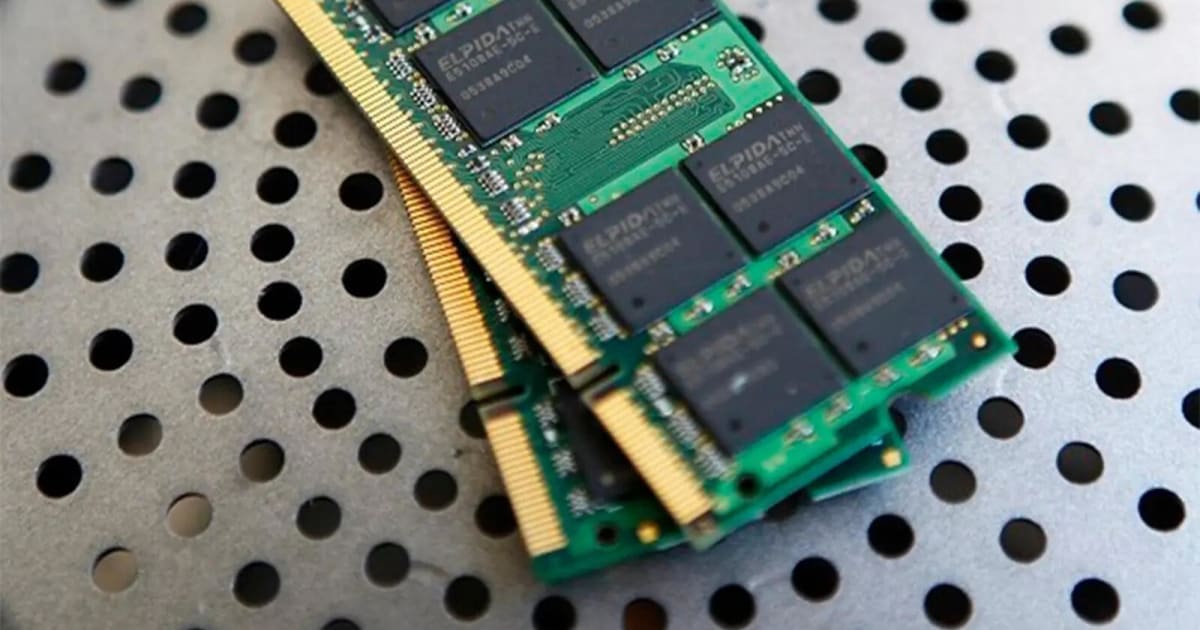
Key Takeaway
BlackRock's aggressive move into asset tokenization signals an irreversible shift in investment structures, legitimizing blockchain's role in traditional finance. Indian IT and banking sectors are at an inflection point, poised for both disruption and unprecedented growth opportunities.
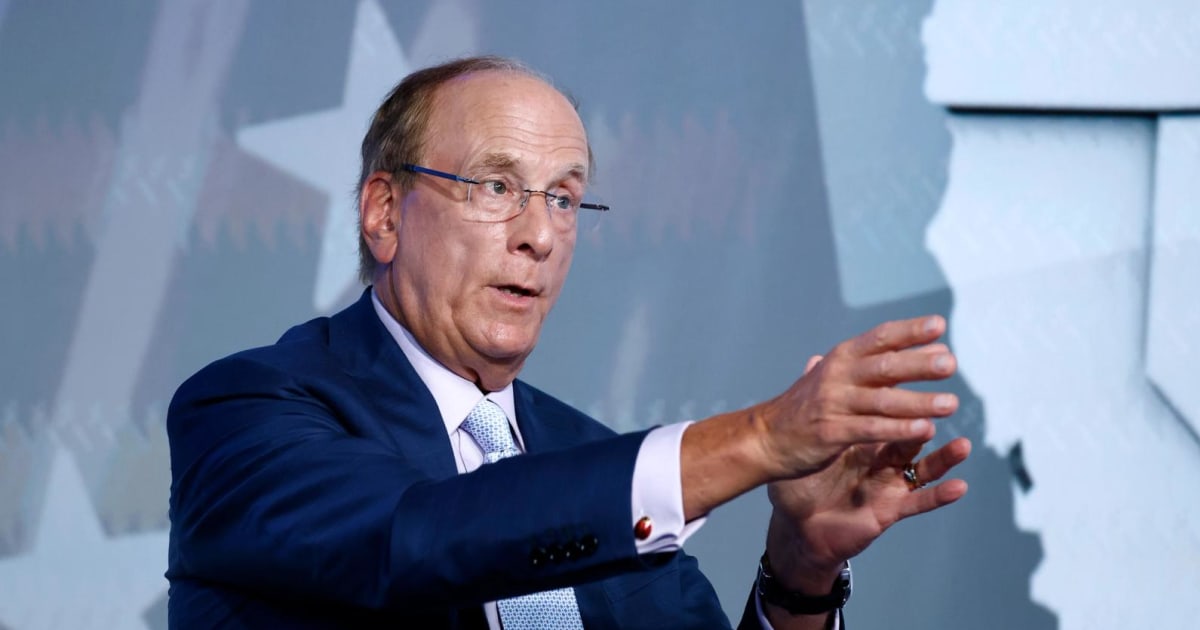
BlackRock, the world's largest asset manager, is championing asset tokenization, a move poised to transform global investment portfolios. This deep dive explores the profound implications for the Indian financial market, dissecting how this paradigm shift will affect domestic IT giants and leading banks. Investors must understand the opportunities and risks to navigate this evolving landscape effectively.
BlackRock's Tokenization Gambit: The Catalyst Reshaping Global & Indian Investment Portfolios
The financial world is abuzz with BlackRock's intensified push into asset tokenization, a strategic pivot by the world's largest asset manager that signals an inevitable future for investment. This isn't merely a technological upgrade; it's a foundational re-architecture of how assets are owned, traded, and managed. With over $10 trillion under management, BlackRock's endorsement of real-world asset (RWA) tokenization, particularly through initiatives like its recent foray into tokenized funds, isn't just a validation of blockchain technology; it's a powerful accelerant for its mainstream adoption. This shift promises to unlock unprecedented efficiencies, enhance liquidity for traditionally illiquid assets, and democratize access to a broader spectrum of investment opportunities globally. For investors in India, a market known for its rapid digital adoption and burgeoning financial sector, the implications are profound, creating both immense opportunities and significant challenges across the IT and financial services sectors.
Historically, the financial system has grappled with inefficiencies stemming from manual processes, opaque settlement procedures, and fragmented liquidity. Tokenization, by representing ownership rights of real-world assets on a blockchain, directly addresses these pain points. It offers fractional ownership, 24/7 trading, and automated compliance through smart contracts, effectively reducing costs and increasing transaction speeds. The timing of BlackRock's move is crucial; coming at a point when institutional comfort with blockchain technology is growing, and regulatory frameworks are slowly taking shape globally, it provides the necessary impetus for widespread adoption. This isn't a speculative trend confined to crypto enthusiasts; it's a strategic imperative for traditional finance aiming to modernize its infrastructure and capture new capital flows.
How Will BlackRock's Tokenization Drive Impact the Indian Stock Market?
The ripples from BlackRock's tokenization strategy will undoubtedly reach Indian shores, significantly impacting both the financial services and information technology sectors. India, with its robust digital public infrastructure (DPI) and a government actively promoting digitization, is uniquely positioned to embrace this transformation. The immediate impact will be felt in the demand for blockchain-based solutions, cybersecurity, and cloud infrastructure, directly benefiting Indian IT service providers. Concurrently, Indian banks, already engaged in digital transformation, will face pressure and opportunity to integrate tokenization into their offerings, from bond issuance to fractional real estate ownership.
Consider the potential for increased capital flows. As global investors gain easier, fractional access to Indian assets—whether it's infrastructure projects, commercial real estate, or even high-growth startups—through tokenized platforms, the Indian market could see a significant influx of foreign capital. This enhanced liquidity and accessibility could drive valuations and attract new forms of investment that were previously hampered by cumbersome traditional processes. For instance, a tokenized real estate investment trust (REIT) could allow global investors to buy fractions of prime Indian commercial properties with far greater ease than traditional methods, potentially boosting the ~INR 4.5 trillion (approx. $54 billion) Indian REIT market.
Historically, periods of significant technological shifts in finance, such as the internet boom of the late 1990s or the rise of digital payments in the 2010s, have created distinct winners and losers. The Nifty IT index, for example, saw a ~250% surge between 2017 and 2021 as digital transformation became a boardroom priority. We anticipate a similar, if not more pronounced, effect as tokenization moves from concept to widespread implementation. Financial institutions that proactively adapt and invest in tokenization infrastructure will gain a competitive edge, while those clinging to legacy systems risk becoming obsolete, burdened by high operational costs and diminished market relevance.
Stock-by-Stock Breakdown: Indian Winners & Watchlist
The tokenization revolution presents a clear bifurcation: technology enablers and financial adopters. We've identified key Indian stocks poised to benefit or be significantly impacted:
- Tata Consultancy Services (TCS) - NSE: TCS: As a global IT behemoth with a market capitalization exceeding INR 15 lakh crore (~$180 billion) and a strong presence in banking, financial services, and insurance (BFSI) accounts (contributing over 30% to its revenue), TCS is a prime beneficiary. Its expertise in enterprise blockchain solutions, digital transformation consulting, and core banking modernization positions it to win significant tokenization implementation contracts from global and Indian financial institutions. Expect increased demand for its blockchain-as-a-service offerings and consulting on regulatory compliance for digital assets. While its current P/E of ~30x might seem high, the long-term growth trajectory from this new wave of digital spending justifies a premium.
- Infosys (NSE: INFY): With a market cap of over INR 6 lakh crore (~$72 billion) and a robust digital services portfolio, Infosys will compete directly with TCS for tokenization projects. Its Finacle core banking solution, used by over 100 banks globally, offers a natural pathway for integrating tokenization capabilities. Infosys's focus on cloud, AI, and blockchain within its 'Live Enterprise' framework aligns perfectly with the demands of a tokenized future. We foresee a demand surge for its consulting services in digital asset strategy and security. Its P/E of ~25x offers a compelling entry point for long-term growth.
- HDFC Bank (NSE: HDFCBANK): India's largest private sector bank, with a market cap of over INR 12 lakh crore (~$145 billion), is a crucial player. While initially a 'fast follower' in some tech trends, HDFC Bank's immense balance sheet and customer base make it a formidable force once it commits. Tokenization offers HDFC Bank opportunities in issuing tokenized bonds, fractionalizing real estate loans, or even creating digital asset custody services. The bank's strong digital infrastructure and focus on retail and corporate banking make it a potential early adopter for tokenized financial products, potentially reducing its cost of capital and improving fee income. Competitors like ICICI Bank (NSE: ICICIBANK) and Axis Bank (NSE: AXISBANK), already experimenting with blockchain for trade finance, will also be aggressively exploring tokenization to maintain competitive parity.
- Persistent Systems (NSE: PERSISTENT): A mid-cap IT services firm (market cap ~INR 60,000 crore / ~$7.2 billion) with a strong focus on product engineering and digital transformation, Persistent Systems is a dark horse. Its niche expertise in building innovative solutions for financial services clients, particularly in emerging technologies, makes it a strong contender for developing custom tokenization platforms and smart contract solutions. Unlike the giants, Persistent's agility allows it to cater to specific, complex tokenization needs, offering higher growth potential from a smaller base. Its P/E of ~55x reflects strong growth expectations, but its specialized capabilities could justify this premium in a rapidly expanding market.
- L&T Technology Services (NSE: LTTS): While primarily an engineering and R&D services company, LTTS (market cap ~INR 50,000 crore / ~$6 billion) has a growing digital engineering segment that could pivot towards industrial asset tokenization. Imagine tokenizing complex machinery, intellectual property, or even supply chain components. LTTS's expertise in IoT, AI, and industrial automation could find new applications in creating digital twins for physical assets that are then tokenized, unlocking new revenue streams for enterprises. This is a more speculative play but represents a significant long-term opportunity in the 'industrial metaverse' of tokenized physical assets.
Expert Perspectives: Bulls vs. Bears on Tokenization's Future
The debate around asset tokenization is vibrant, with both fervent advocates and cautious skeptics. Bulls, like BlackRock's CEO Larry Fink, champion tokenization as the future of capital markets, envisioning a world where every security is tokenized. They argue that the technology will dramatically lower transaction costs, enhance transparency, and unlock trillions in currently illiquid assets, creating new investment paradigms. They point to the success of stablecoins (total market cap over $150 billion) as a proof-of-concept for digital asset utility, suggesting that RWAs are the logical next step. For India, bulls believe it will attract significant foreign direct investment (FDI) into sectors like infrastructure and real estate, previously difficult for smaller global investors to access directly.
Bears, however, raise valid concerns. Their primary argument revolves around regulatory uncertainty. Different jurisdictions have varying stances on digital assets, creating a fragmented global landscape that complicates cross-border tokenization. They also highlight the scalability challenges of current blockchain infrastructure, questioning whether existing networks can handle the immense transaction volume required to tokenize global financial markets. Cybersecurity risks, including smart contract vulnerabilities and potential for large-scale hacks, remain a significant concern. Furthermore, bears argue that the 'liquidity premium' touted by proponents might be overstated, especially for niche assets, and that market fragmentation across multiple tokenization platforms could lead to new forms of illiquidity. For India, bears would emphasize the RBI's cautious stance on private cryptocurrencies, suggesting that while the underlying technology is promising, regulatory hurdles could significantly delay widespread adoption of tokenized assets within the domestic financial system.
Actionable Investor Playbook: Navigating the Tokenization Wave
For investors seeking to capitalize on this transformative trend, a multi-pronged approach is advisable:
- Buy the Enablers (Long-Term Horizon, 3-5 years+): Focus on Indian IT service providers with strong blockchain capabilities and deep BFSI client relationships. Accumulate stocks like TCS and Infosys on dips. These companies will be the picks and shovels providers for the tokenization gold rush. Consider smaller, agile players like Persistent Systems for higher growth potential, but with increased volatility.
- Watch the Adopters (Medium-Term Horizon, 1-3 years): Keep a close eye on leading Indian private banks like HDFC Bank, ICICI Bank, and Axis Bank. Look for specific announcements regarding pilot projects, partnerships with blockchain firms, or the launch of tokenized products. Entry points could emerge when these banks demonstrate concrete steps towards tokenization integration, signaling a clear revenue pathway.
- Monitor Regulatory Developments (Continuous): The regulatory landscape in India, particularly from the RBI and SEBI, will be a critical determinant of adoption speed. Any progressive frameworks for digital assets or tokenized securities will be significant catalysts. Conversely, restrictive measures could dampen enthusiasm.
- Consider Thematic ETFs/Funds (If Available, Global Exposure): While direct Indian tokenization ETFs are yet to emerge, global investors can explore blockchain-focused ETFs that hold companies investing in this space. For Indian investors, the focus remains on picking individual stocks.
- Risk Management: Allocate a portion of your portfolio to this theme, acknowledging the inherent risks. This is a nascent but high-potential sector. Avoid over-concentration.
Risk Matrix: Understanding the Hurdles Ahead
- Regulatory Uncertainty (High Probability, High Impact): The lack of a harmonized global regulatory framework for digital assets and tokenized securities remains the most significant hurdle. India's stance, particularly concerning the legal status of tokenized RWAs and associated taxation, will dictate the pace of adoption. A restrictive regulatory environment could stifle innovation and push development offshore.
- Scalability of Blockchain Infrastructure (Medium Probability, Medium Impact): Current public blockchains, while robust, may struggle to handle the sheer volume of transactions if global financial markets fully tokenize. While enterprise-grade private blockchains offer solutions, interoperability and standardization remain challenges. Network congestion and high transaction fees could deter adoption.
- Cybersecurity Threats & Smart Contract Vulnerabilities (Medium Probability, High Impact): The immutable nature of blockchain means that errors or malicious code in smart contracts can lead to irreversible losses. The increasing value of tokenized assets makes them attractive targets for sophisticated cyberattacks. Robust auditing and security protocols are paramount.
- Market Fragmentation & Interoperability (Medium Probability, Medium Impact): The emergence of multiple tokenization platforms and proprietary blockchains could lead to market fragmentation, hindering liquidity and creating silos. Achieving seamless interoperability between different tokenization ecosystems is crucial for broad-based adoption and efficient capital allocation.
What to Watch Next: Catalysts & Data Points
The tokenization narrative is dynamic, with several key events and data points to monitor:
- BlackRock's Next Steps: Any further announcements from BlackRock regarding new tokenized funds, partnerships, or expansions of their digital asset offerings will be a major market mover. Their success in attracting institutional capital to these products will be a critical indicator.
- Regulatory Developments in Key Jurisdictions: Keep an eye on legislative progress in the EU (MiCA), the UK, Singapore, and particularly India. The release of any consultation papers, draft bills, or final regulations from the RBI or SEBI on digital assets and tokenization will be pivotal.
- Launch of Institutional Tokenization Platforms: Watch for major financial institutions (globally and in India) announcing the launch of their own tokenization platforms or significant pilot projects for real-world assets like bonds, real estate, or private equity.
- Blockchain Network Upgrades: Developments in scalability solutions (e.g., Ethereum's next upgrades, advancements in alternative Layer 1s or enterprise blockchain solutions) will be crucial. Metrics like transaction throughput and finality will be important.
- Corporate Earnings Calls: Listen for management commentary from Indian IT service providers (TCS, Infosys, Persistent) and major banks (HDFC Bank, ICICI Bank) during their quarterly earnings calls. Specific mentions of tokenization projects, revenue contributions from digital assets, or strategic investments in blockchain technology will provide valuable insights into adoption rates and future growth drivers.
See INFY's AI Score
Our algorithmic screener scores INFY on fundamentals, momentum, and risk — free to try, no card needed.
Try the AI Screener →Have questions about this story?
Ask Welth, our finance-focused AI research assistant, for a deeper breakdown — free trial included.
Chat with Welth AI →Disclaimer: This content is generated by WelthWest Research Desk based on publicly available reports and is for informational purposes only. It does not constitute financial advice, investment recommendations, or an offer to buy or sell securities. Always consult a qualified financial advisor before making investment decisions.