Key Takeaway
Institutional capital flowing into Ethereum research marks the transition of blockchain from experimental crypto-play to enterprise-grade infrastructure. For Indian IT, this is the catalyst for the next decade of high-margin BaaS (Blockchain-as-a-Service) revenue.
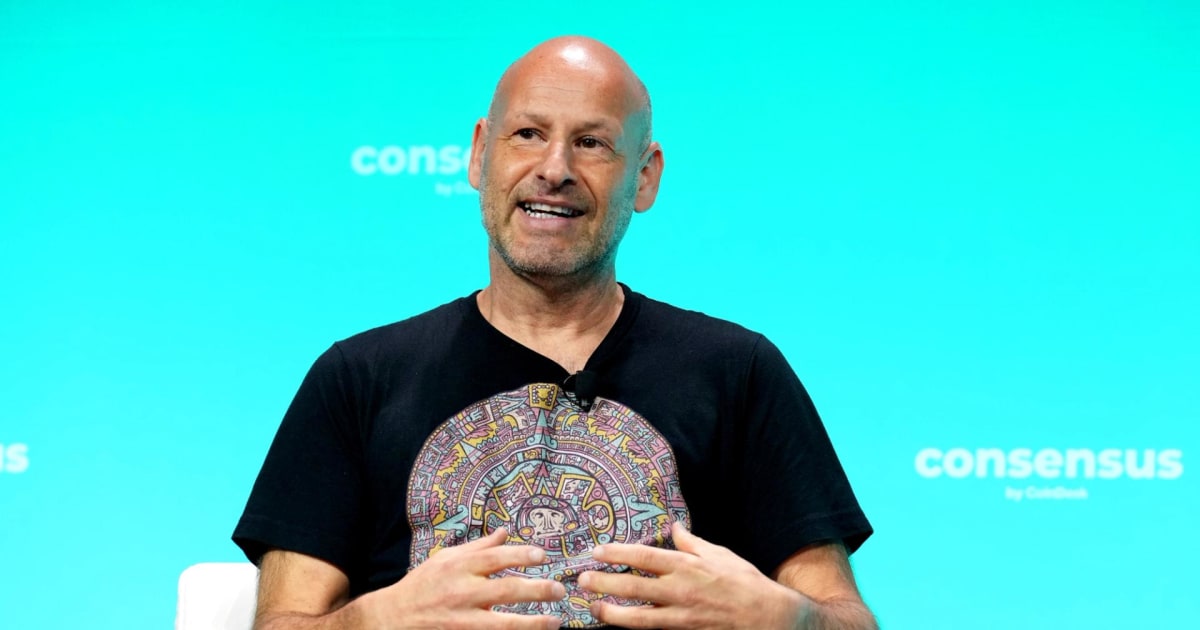
The recent institutional backing of an Ethereum research hub validates the platform's long-term utility for global finance. We analyze the ripple effect on Indian IT majors and why this shift represents a structural pivot for companies like TCS and Infosys in the decentralized web era.
The Institutional Pivot: Ethereum's Maturation
For years, blockchain technology was trapped in a cycle of retail-driven speculation. However, the recent influx of institutional capital into centralized Ethereum research hubs signals a fundamental shift. We are moving from the 'proof-of-concept' phase into the 'infrastructure-deployment' phase. This is not merely about cryptocurrency prices; it is about the underlying smart contract architecture that will eventually underpin global cross-border payments, supply chain transparency, and automated clearing.
Why does this matter now? Because global enterprises are finally demanding regulatory-compliant, high-throughput, and secure decentralized networks. The research hub serves as the R&D engine to bridge the gap between volatile public blockchains and the rigorous requirements of institutional finance.
How will the Ethereum research hub impact Indian IT stock valuations?
The Indian IT sector, which contributes roughly 8% to India's GDP, is historically tethered to shifts in global enterprise spending. As financial institutions look to integrate Ethereum-based protocols, they will require massive systems integration, security audits, and decentralized application (dApp) development. This creates a lucrative opening for Indian IT service providers to pivot their portfolios toward Blockchain-as-a-Service (BaaS).
Historically, when enterprise technology shifts—such as the cloud migration surge of 2015-2018—Nifty IT index valuations expanded by an average of 4-6x in forward P/E ratios. We anticipate a similar, albeit more gradual, re-rating as blockchain integration becomes a standard line item in digital transformation budgets.
Stock-by-Stock Breakdown: Who Wins in the Blockchain Era?
- TCS (TCS.NS): With a market cap exceeding ₹15 trillion, TCS remains the leader in enterprise blockchain. Their 'Quartz' platform is already being utilized by global banks for asset tokenization. Expect this to be their primary growth driver as Ethereum research standardizes interoperability.
- Infosys (INFY.NS): Infosys has consistently invested in 'Finacle,' their core banking product. By integrating Ethereum-based smart contracts into Finacle, Infosys can capture the upgrade cycle of mid-tier global banks looking to enter decentralized finance (DeFi) without sacrificing compliance.
- HCLTech (HCLTECH.NS): HCL has carved a niche in engineering and R&D services. Their focus on the 'Internet of Things' (IoT) makes them the natural partner for Ethereum-based supply chain management, where smart contracts automate logistics payments upon verified delivery.
- Wipro (WIPRO.NS): Wipro’s strength lies in its consulting arm. As firms struggle to navigate the regulatory and technical complexities of Web3, Wipro is well-positioned to act as the primary advisor for legacy clearing houses transitioning to decentralized infrastructure.
Expert Perspectives: The Bull vs. Bear Case
The Bull Case: Proponents argue that the institutionalization of Ethereum creates a 'moat' around the network. As Ethereum becomes the 'settlement layer' of the internet, the IT firms that build the bridges to this layer will command premium margins, likely pushing their P/E ratios back toward the 30x+ levels seen during the height of the digital transformation cycle.
The Bear Case: Skeptics point to the regulatory volatility in India. The Reserve Bank of India (RBI) has maintained a cautious stance on crypto-assets. If the government classifies blockchain-based financial products as equivalent to speculative crypto, Indian IT firms may face 'reputational risk' or be forced to offshore their blockchain operations, diluting the domestic economic benefit.
Actionable Investor Playbook
Investors should view this as a long-term thematic play, not a short-term trade. The timeline for full-scale enterprise adoption is 3-5 years.
- Watch for 'Proof-of-Revenue': Look for mention of 'blockchain revenue' in quarterly earnings transcripts for TCS and Infosys. Current revenue from this segment is likely negligible; a shift to 3-5% of total revenue is the true indicator of success.
- Entry Points: Given the current P/E ratios of the Nifty IT index (hovering around 26-28x), look for pullbacks to the 22-24x range to initiate long-term positions.
- Time Horizon: This is a 'buy-and-hold' strategy for a 36-60 month window.
Risk Matrix
| Risk Factor | Probability | Impact |
|---|---|---|
| Regulatory Ban on Blockchain Integration | Low | High |
| Technical Failure/Hacks in Ethereum Protocol | Medium | Moderate |
| Delayed Enterprise Adoption/Budget Cuts | Medium | Moderate |
What to Watch Next
Keep a close watch on the upcoming G20 discourse on digital assets and the RBI’s pilot projects for the Central Bank Digital Currency (CBDC). Any synergy between the government's CBDC and Ethereum-based enterprise research will be the 'green light' for massive institutional capital deployment. Additionally, monitor Q3 and Q4 earnings calls for specific mentions of 'Web3' and 'Decentralized Ledger Technology' (DLT) in the management outlooks of major NSE IT firms.
See TCS's AI Score
Our algorithmic screener scores TCS on fundamentals, momentum, and risk — free to try, no card needed.
Try the AI Screener →Have questions about this story?
Ask Welth, our finance-focused AI research assistant, for a deeper breakdown — free trial included.
Chat with Welth AI →Disclaimer: This content is generated by WelthWest Research Desk based on publicly available reports and is for informational purposes only. It does not constitute financial advice, investment recommendations, or an offer to buy or sell securities. Always consult a qualified financial advisor before making investment decisions.