Key Takeaway
HDFC Bank's stock surge on CEO exit news signals investor relief and a belief in a revitalized leadership. This event could redefine confidence in India's largest private lender and influence broader banking sector sentiment.
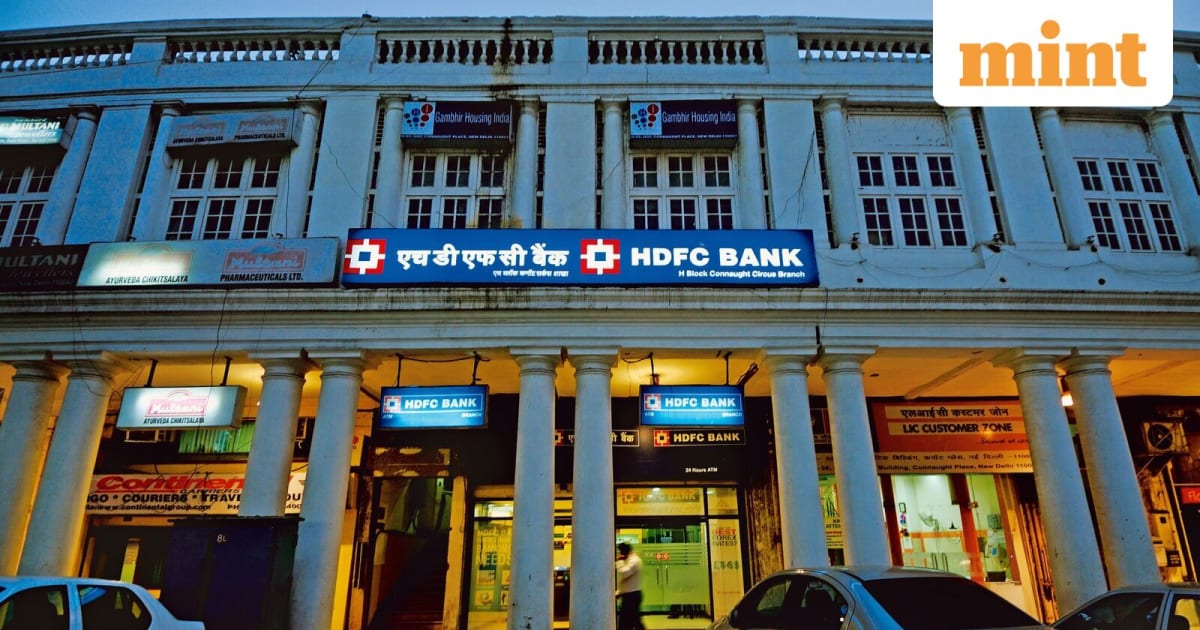
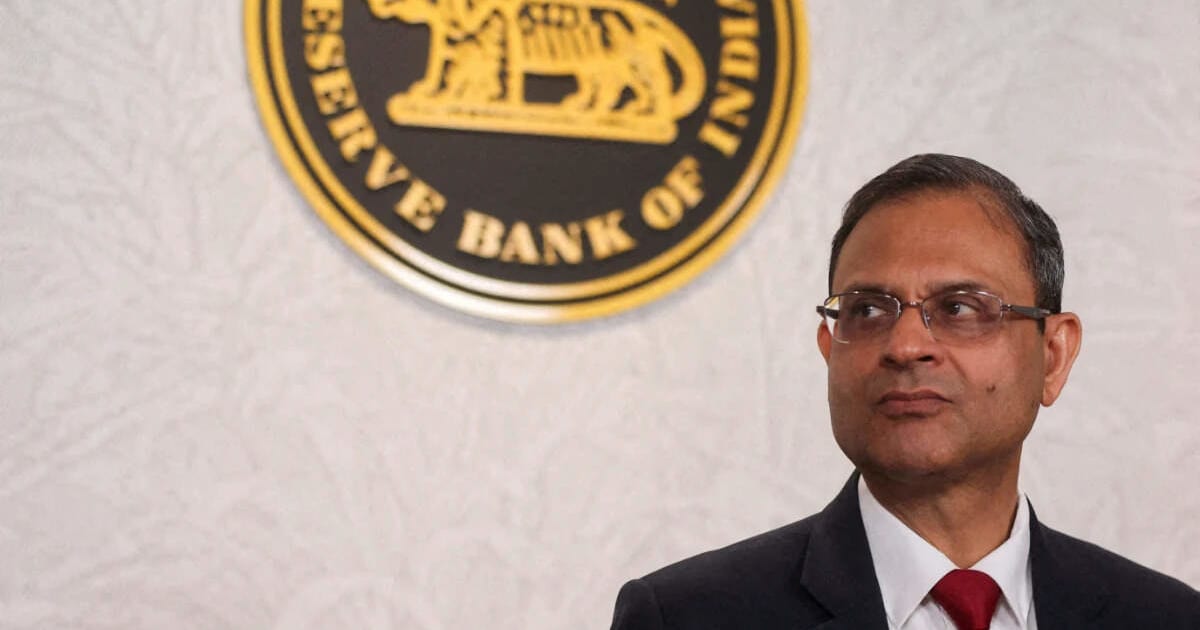
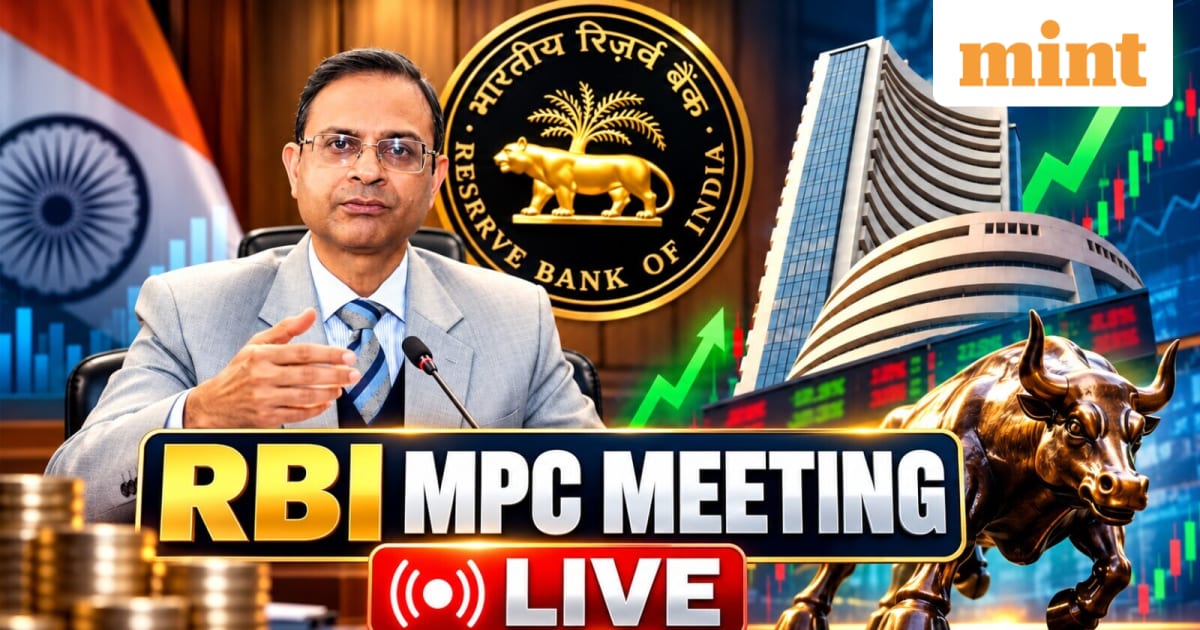
The potential departure of HDFC Bank's CEO, Sashidhar Jagdishan, has ignited a surprising bullish wave across the Indian stock market. Investors are interpreting this as a catalyst for renewed confidence, pushing HDFCBANK shares higher and prompting a re-evaluation of the banking sector.
HDFC Bank CEO Exit Sparks Investor Optimism: A Deep Dive into Market Impact
The Indian stock market has been abuzz with the news surrounding a potential leadership change at HDFC Bank. The anticipated exit of its Chief Executive Officer, Sashidhar Jagdishan, has unexpectedly triggered a wave of investor optimism, propelling the bank's stock upwards and creating ripples across the financial sector. This development, while seemingly a single-company event, carries significant weight due to HDFC Bank's colossal market capitalization and its systemic importance within the Indian financial landscape.
For investors, the narrative unfolding is one of perceived opportunity rather than disruption. The market's immediate positive reaction suggests a widespread belief that a new leadership era could usher in a period of enhanced strategic direction and operational efficiency. This sentiment is particularly potent given recent market concerns and the inherent complexities of managing a financial behemoth like HDFC Bank. The question on many investors' minds is whether this exit marks a turning point, a chance to reset and reignite growth for India's premier private sector bank.
What Just Happened at HDFC Bank? Setting the Stage for a Leadership Shift
Reports suggesting the imminent departure of Sashidhar Jagdishan from his role as CEO of HDFC Bank have sent shockwaves, albeit positive ones, through the financial community. Jagdishan, who took the helm in October 2020, has navigated the bank through a period of significant integration post the merger with HDFC Ltd., a complex undertaking that has presented both opportunities and challenges. The market's interpretation of his potential exit as a bullish signal is nuanced. It appears to stem from a desire for fresh perspectives, a strategic re-alignment, or perhaps a belief that a new leader can more effectively address specific operational hurdles or capitalize on emerging market opportunities.
The timing of this potential leadership transition is crucial. HDFC Bank, despite its formidable market position, has faced increased competition and evolving regulatory landscapes. Investors often view CEO changes in large, established entities as a chance for a 'clean slate,' allowing for the implementation of new strategies without the baggage of past decisions. The scale of HDFC Bank, with a market capitalization often exceeding INR 12 lakh crore (approximately USD 145 billion), means that any significant shift in its fortunes has a disproportionate impact on the broader market indices, including the Nifty 50 and the Sensex.
Deep Market Impact Analysis: HDFC Bank's Ripple Effect on the Indian Stock Market
The immediate impact on HDFC Bank's stock (NSE: HDFCBANK) has been demonstrably positive. Following the news, the counter witnessed a significant uptick, a testament to the market's forward-looking nature. This surge is not merely a speculative blip; it reflects a calculated assessment by institutional and retail investors alike that a leadership transition could unlock latent value or mitigate perceived risks. The banking sector, which constitutes a substantial portion of Indian equity indices, is highly sensitive to sentiment surrounding its largest players. A bullish outlook for HDFC Bank can, therefore, create a halo effect, boosting investor confidence in other banking stocks.
Historically, significant leadership changes at top-tier companies have often been followed by periods of stock price volatility, but the current reaction at HDFC Bank is leaning towards sustained optimism. Last time a major private sector bank saw significant leadership flux, the Nifty Bank index experienced a short-term correction followed by a gradual recovery as clarity emerged. However, the current scenario at HDFC Bank appears distinct, with the market preemptively rewarding the prospect of new leadership. The bank's P/E ratio, a key valuation metric, will be closely watched to see if this optimism is justified by future performance, especially in comparison to its peers like ICICI Bank (NSE: ICICIBANK) and Axis Bank (NSE: AXISBANK).
The sectoral implications are profound. A revitalized HDFC Bank could intensify competition within the Indian banking space, potentially leading to improved service offerings, more aggressive pricing strategies, and greater innovation across the board. Conversely, if the transition is not smooth, or if the chosen successor fails to inspire confidence, the negative sentiment could spill over, impacting the entire banking sector and, by extension, the broader equity market due to the sector's significant weightage. The Reserve Bank of India's (RBI) regulatory stance and its approach to leadership appointments within large financial institutions also play a critical role in shaping market perceptions.
Stock-by-Stock Breakdown: Who Benefits and Who Faces Headwinds?
The immediate beneficiaries of this development are undoubtedly the existing shareholders of HDFC Bank. The surge in its stock price translates into immediate gains and a renewed sense of confidence in their investment. However, the long-term implications are more complex.
- HDFC Bank (NSE: HDFCBANK): The primary focus. The stock's upward trajectory is a direct response to the perceived positive catalyst of a CEO exit. Investors are betting on a fresh strategic direction and renewed vigor. The bank's market capitalization, often hovering around INR 12.5 lakh crore, makes its stock movement a significant market driver.
- ICICI Bank (NSE: ICICIBANK): As a direct competitor, ICICI Bank could see a dual impact. If HDFC Bank falters under new leadership, investors might reallocate capital towards ICICI Bank, viewing it as a more stable alternative. Conversely, if the entire banking sector sentiment improves due to HDFC Bank's resurgence, ICICI Bank could also benefit from broader market tailwinds. Its current P/E ratio relative to HDFC Bank will be a key comparison point.
- Axis Bank (NSE: AXISBANK): Similar to ICICI Bank, Axis Bank operates in the same competitive landscape. A stronger HDFC Bank could pressure Axis Bank to innovate and improve its offerings. However, if the market sentiment around large-cap private banks turns positive, Axis Bank, with its ongoing strategic initiatives, could also see an uplift.
- Kotak Mahindra Bank (NSE: KOTAKBANK): Kotak Mahindra Bank, known for its prudent management and strong retail franchise, might be less directly impacted by HDFC Bank's CEO change in the short term. However, a sustained improvement in HDFC Bank's performance could indirectly raise the bar for all players, necessitating strategic adaptation from Kotak Mahindra Bank as well.
- State Bank of India (NSE: SBIN): As the largest public sector bank, SBI's performance is often seen as a bellwether for the entire banking sector. While it operates on different dynamics, a positive sentiment shift in the private banking space, particularly driven by HDFC Bank, could indirectly boost confidence in public sector lenders as well, provided their own operational metrics remain strong.
- HDFC Life Insurance Company (NSE: HDFCLIFE): While not a bank, HDFC Life is closely associated with the HDFC Group. Any perceived instability or significant strategic shift at the parent bank could create investor uncertainty for its subsidiaries, although the business models are distinct. Investors will be scrutinizing the management's communication to ensure continued operational independence and strategic alignment.
Expert Perspective: Bulls vs. Bears on the HDFC Bank CEO Exit
The market's bullish reaction to the potential exit of Sashidhar Jagdishan at HDFC Bank is met with varied interpretations from market participants. Bulls see this as a long-overdue opportunity for reinvigoration.
Bullish Argument: "The market is pricing in a fresh start. A new CEO can bring in new strategies, inject dynamism, and address any perceived stagnation. HDFC Bank has a robust foundation, and a leadership change could be the catalyst needed to unlock its next phase of growth, especially in areas like digital banking and customer acquisition. This is not about the outgoing CEO, but about the potential for future excellence."
Conversely, bears express caution, highlighting the inherent risks associated with such a significant transition.
Bearish Argument: "This is a knee-jerk reaction. HDFC Bank is a complex organization, and leadership transitions are rarely seamless. The market is overlooking the integration challenges post the HDFC Ltd. merger, which still require considerable management bandwidth. Any misstep in succession planning or a perceived dip in execution under new leadership could lead to a sharp reversal. Furthermore, the current bullish sentiment might be overestimating the immediate impact of a new CEO on the bank's fundamental performance."
The contrarian view often emphasizes the stability and deep management bench at HDFC Bank, suggesting that while a new CEO will bring their own vision, the institutional strength of the bank will largely dictate its trajectory. The key will be the seamless handover and the clarity of the strategic roadmap presented by the successor.
Actionable Investor Playbook: Navigating the HDFC Bank Leadership Change
For investors seeking to navigate this evolving situation, a strategic and data-driven approach is paramount. The current market sentiment is bullish, but this needs to be balanced with an understanding of the underlying risks and opportunities.
- Action: Hold HDFC Bank (HDFCBANK) with a Watchful Eye. The current surge suggests positive momentum. Investors who hold the stock should maintain their positions but be prepared to re-evaluate if the successor announcement lacks conviction or if the transition plan appears unclear. The current rally is based on anticipation; the reality will unfold post the official announcement.
- Watch: Competitor Banks for Reallocation Opportunities. If HDFC Bank's transition leads to prolonged uncertainty or a visible performance dip, investors might consider reallocating capital to more stable or demonstrably growing peers like ICICI Bank (ICICIBANK) or Kotak Mahindra Bank (KOTAKBANK). Look for entry points during any sector-wide dips caused by negative HDFC Bank news.
- Monitor: Digital Banking and Retail Lending Growth. The new leadership will likely focus on these areas. Investors should track HDFC Bank's progress in digital customer acquisition and its performance in retail lending segments, as these will be key indicators of future success.
- Entry Point Consideration: For new investors looking to enter HDFC Bank, waiting for clarity on the new CEO and a confirmed transition plan would be prudent. Any dip in the stock price post the initial euphoria, if accompanied by positive strategic announcements, could present a favorable entry point. For existing investors, the current levels offer a good time to reassess portfolio allocation.
- Time Horizon: This is a medium-term to long-term story. The immediate stock surge is sentiment-driven. Sustainable performance will depend on strategic execution over the next 12-24 months.
Risk Matrix: Potential Pitfalls for HDFC Bank Investors
While the market sentiment is currently optimistic, several risks could derail the positive narrative:
- Uncertainty in Successor Announcement (Probability: Medium-High): The market's positive reaction is heavily contingent on the announcement of a strong, credible successor with a clear vision. If the chosen candidate is perceived as weak, lacks relevant experience, or if the selection process appears opaque, sentiment can rapidly turn negative.
- Execution Risk Post-Merger Integration (Probability: Medium): The successful integration of HDFC Ltd. into HDFC Bank is an ongoing, complex process. A new CEO might face challenges in steering this integration effectively, potentially leading to operational disruptions or delays in realizing synergies.
- Increased Competition and Regulatory Scrutiny (Probability: Medium): The Indian banking sector is highly competitive. A leadership vacuum or a misstep in strategy could allow competitors to gain market share. Furthermore, regulatory bodies like the RBI will be closely watching the transition, and any perceived non-compliance or governance issues could trigger negative reactions.
- Investor Sentiment Reversal (Probability: Medium): Market exuberance can be fleeting. If the anticipated positive changes do not materialize quickly, or if new challenges emerge, investors might exit positions, leading to a sharp correction.
What to Watch Next: Upcoming Catalysts for HDFC Bank and the Sector
The coming weeks and months will be critical in shaping the narrative around HDFC Bank and its leadership transition. Investors should closely monitor the following:
- Official CEO Announcement: This is the most immediate and significant catalyst. The name of the successor, their background, and the board's confidence in them will be paramount.
- Board Meeting Minutes and Strategic Outlook: Any disclosures following board meetings will provide insights into the bank's future strategy under new leadership.
- Quarterly Earnings Reports: The bank's financial performance in upcoming quarters will be the ultimate test of the new leadership's effectiveness. Investors will look for trends in net interest margins, asset quality, and loan growth.
- RBI's Stance and Commentary: Any statements or actions from the Reserve Bank of India regarding leadership appointments or banking sector stability will be keenly observed.
- Competitor Performance: Tracking the performance and strategic moves of key competitors like ICICI Bank and Axis Bank will provide context for HDFC Bank's competitive positioning.
The potential exit of Sashidhar Jagdishan from HDFC Bank is more than just a corporate announcement; it's a significant market event that has ignited a debate about leadership, strategy, and the future trajectory of India's largest private lender. The coming period will be a crucial test of the market's optimism and the bank's ability to execute a seamless and impactful leadership transition.
See HDFC Bank (HDFCBANK)'s AI Score
Our algorithmic screener scores HDFC Bank (HDFCBANK) on fundamentals, momentum, and risk — free to try, no card needed.
Try the AI Screener →Have questions about this story?
Ask Welth, our finance-focused AI research assistant, for a deeper breakdown — free trial included.
Chat with Welth AI →Disclaimer: This content is generated by WelthWest Research Desk based on publicly available reports and is for informational purposes only. It does not constitute financial advice, investment recommendations, or an offer to buy or sell securities. Always consult a qualified financial advisor before making investment decisions.