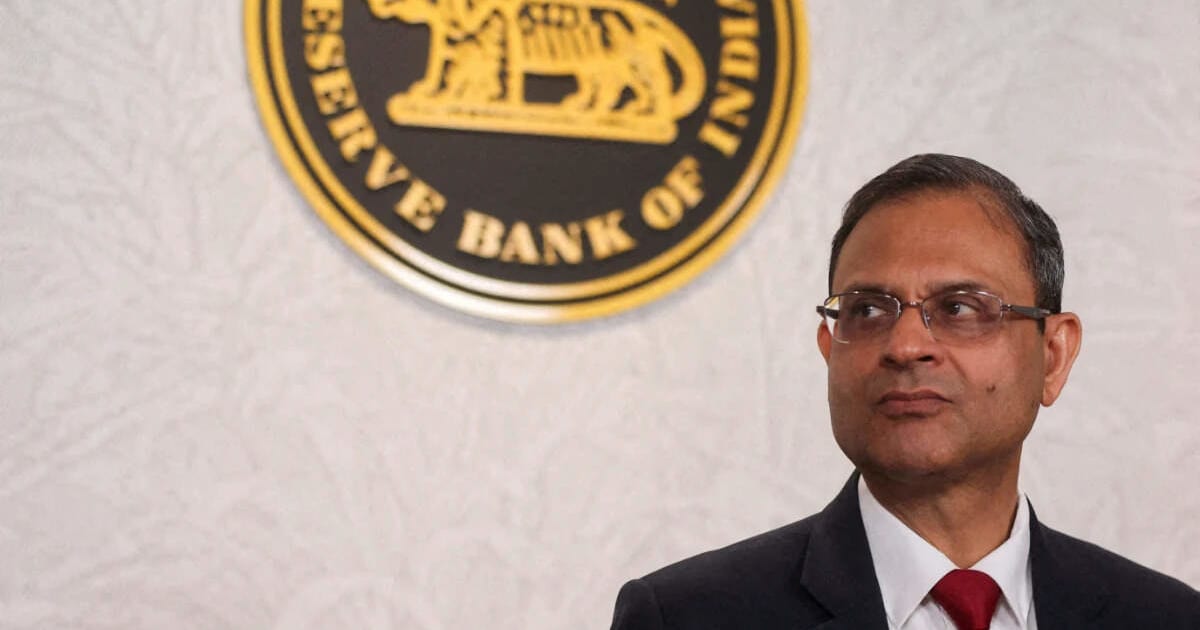
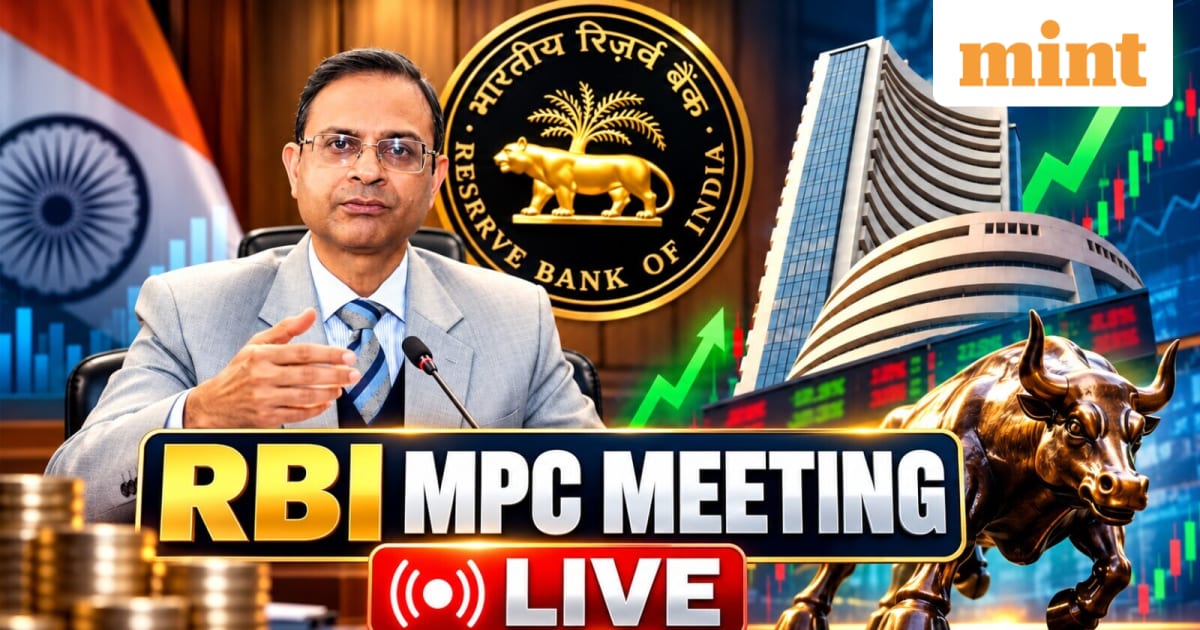
Key Takeaway
The appointment of Rajiv Kumar signals a shift toward regulatory alignment and institutional stability. For investors, this reduces the 'governance discount' and provides a foundation for HDFC Bank to restore its premium valuation multiples.
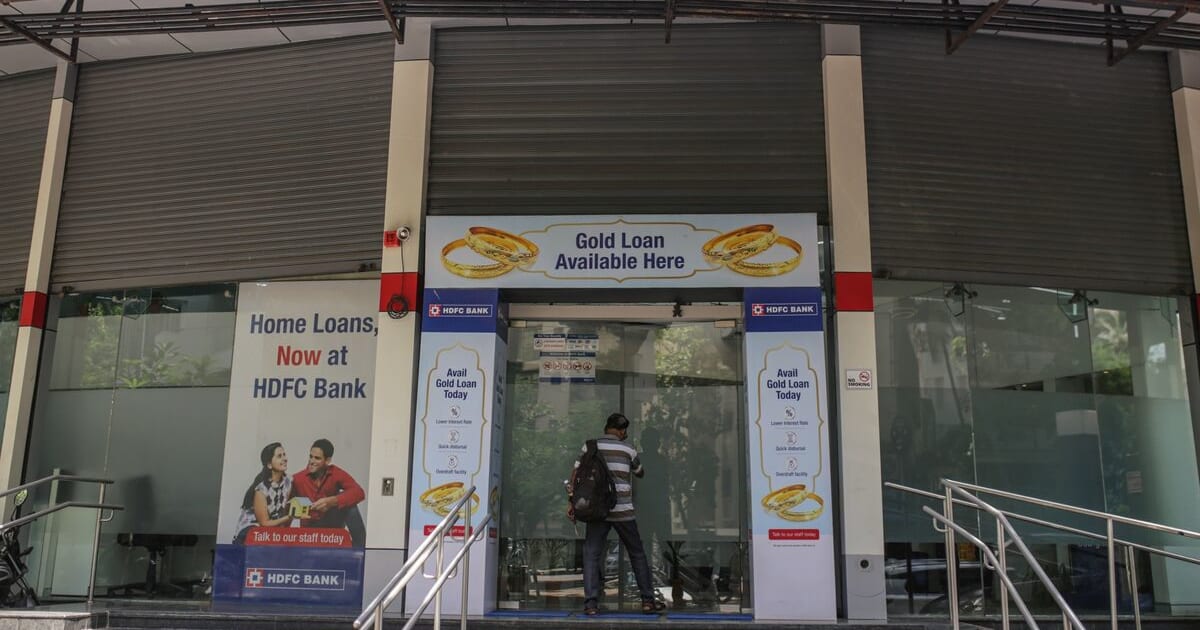
HDFC Bank has appointed former Finance Secretary Rajiv Kumar as its Part-Time Chairman to fortify its governance framework. This move is a strategic play to reassure institutional investors after a period of leadership uncertainty. We analyze how this board-level change impacts HDFCBANK and the broader Indian banking sector.
The Governance Reset: Why HDFC Bank Needed a Bureaucratic Anchor
In a move that has sent ripples through the Dalal Street corridors, HDFC Bank (NSE: HDFCBANK) has officially appointed Rajiv Kumar, the former Finance Secretary, as its Part-Time Chairman. This isn't merely a board reshuffle; it is a calculated effort to insulate India’s largest private lender from the volatility that has plagued its leadership narrative over the past eighteen months. Following the sudden departure of its previous chair, the market had begun to price in a 'governance risk' premium, manifesting in a stagnating P/E ratio that has lagged behind historical five-year averages.
Rajiv Kumar brings a unique pedigree to the table. Having navigated the labyrinth of India’s financial regulatory landscape, his appointment signals a pivot toward 'compliance-first' growth. For institutional investors—who hold over 50% of the bank's equity—this move provides the psychological safety net required to re-enter the stock at current valuation levels.
How will the appointment of Rajiv Kumar affect HDFC Bank’s stock price?
The immediate market reaction is expected to be bullish, but the long-term impact will be measured in basis points of Net Interest Margin (NIM) expansion and credit cost normalization. Historically, when large-cap banks in India have faced leadership crises, the resolution phase has typically led to a 10-15% valuation re-rating within 6-9 months. We saw a similar pivot in 2022 when leadership transitions in mid-sized private banks triggered a shift in institutional sentiment, causing their Nifty Bank weightage to stabilize.
HDFC Bank currently trades at a Price-to-Book (P/B) ratio that is historically attractive given its 17-18% return on equity (RoE). With Kumar at the helm of the board, the market is likely to look past short-term NIM pressures and focus on the bank’s long-term dominance in the retail credit cycle. If the bank can maintain its current loan book growth of 12-14% YoY, the governance stability provided by this appointment could catalyze a move toward historical P/B multiples of 3.5x.
Sector-Level Impact: Which stocks are moving?
The ripple effect of this appointment extends beyond HDFCBANK. The banking sector as a whole is currently in a high-interest-rate environment, and governance stability is the primary differentiator for capital allocation.
- HDFCBANK (NSE): The primary beneficiary. Expect a narrowing of the 'governance discount' as institutional FIIs regain confidence.
- ICICI Bank (NSE: ICICIBANK): While ICICI remains a strong competitor, HDFC Bank’s renewed stability forces ICICI to compete on operational efficiency rather than governance superiority.
- Kotak Mahindra Bank (NSE: KOTAKBANK): Often viewed as the 'gold standard' for governance, Kotak may face increased pressure to maintain its premium valuation as HDFC Bank closes the governance gap.
- Axis Bank (NSE: AXISBANK): Likely to see neutral impact, though liquidity may flow toward the higher-cap HDFC Bank as institutional rebalancing occurs.
- State Bank of India (NSE: SBIN): As the public sector leader, SBIN remains an outlier; however, the shift in HDFC Bank sets a new benchmark for corporate governance in the entire Indian BFSI space.
The Contrarian View: Bulls vs. Bears
The Bull Case: Bulls argue that Kumar’s proximity to the regulatory ecosystem (RBI and Ministry of Finance) will accelerate the resolution of pending digital banking hurdles and compliance audits. They view this as the 'final piece' of the puzzle in HDFC Bank’s post-merger integration.
The Bear Case: Bears remain skeptical about the erosion of private-sector agility. The concern is that a 'bureaucrat-led' board may prioritize risk-aversion over aggressive market-share expansion, potentially slowing the bank’s ability to pivot in a fast-moving fintech landscape. Any friction between the board’s new oversight and the executive management team could lead to operational paralysis.
Investor Playbook: Navigating the HDFC Bank Rebound
Investors should adopt a staged accumulation strategy. With HDFCBANK currently consolidating, the entry point should be focused on technical support levels rather than chasing momentum.
- Watch for Institutional Inflow: Monitor the FII holding data in the next quarterly filing. A reversal in the net-sell trend is the strongest indicator of success for the new board structure.
- Monitor NIM Stability: Look for the next two quarterly results. If NIMs stabilize above 3.4%, the 'governance premium' will likely take hold.
- Risk Management: Keep a stop-loss at the 12-month low. If the stock breaks below this, it suggests that the governance concerns are deeper than leadership alone.
Risk Matrix: Assessing the Uncertainties
| Risk Factor | Probability | Impact |
|---|---|---|
| Board-Management Friction | Medium | High |
| Regulatory Over-reach | Low | Medium |
| Slower Credit Growth | Medium | Medium |
What to watch next?
The upcoming RBI monetary policy committee meeting will be the next major catalyst. Investors should watch for any commentary on banking sector governance standards, which will now be viewed through the lens of HDFC Bank’s new leadership. Additionally, keep a close eye on the bank’s Q3 earnings report, specifically the commentary on retail deposit mobilization, which remains the lifeblood of HDFC Bank’s growth strategy.
See HDFCBANK's AI Score
Our algorithmic screener scores HDFCBANK on fundamentals, momentum, and risk — free to try, no card needed.
Try the AI Screener →Have questions about this story?
Ask Welth, our finance-focused AI research assistant, for a deeper breakdown — free trial included.
Chat with Welth AI →Disclaimer: This content is generated by WelthWest Research Desk based on publicly available reports and is for informational purposes only. It does not constitute financial advice, investment recommendations, or an offer to buy or sell securities. Always consult a qualified financial advisor before making investment decisions.