Key Takeaway
Anup Saha's internal elevation at Kotak Mahindra Bank signals strategic continuity and market confidence, driving KOTAKBANK shares higher. Investors should watch for long-term growth acceleration and sector stability, with a focus on seamless leadership transition.
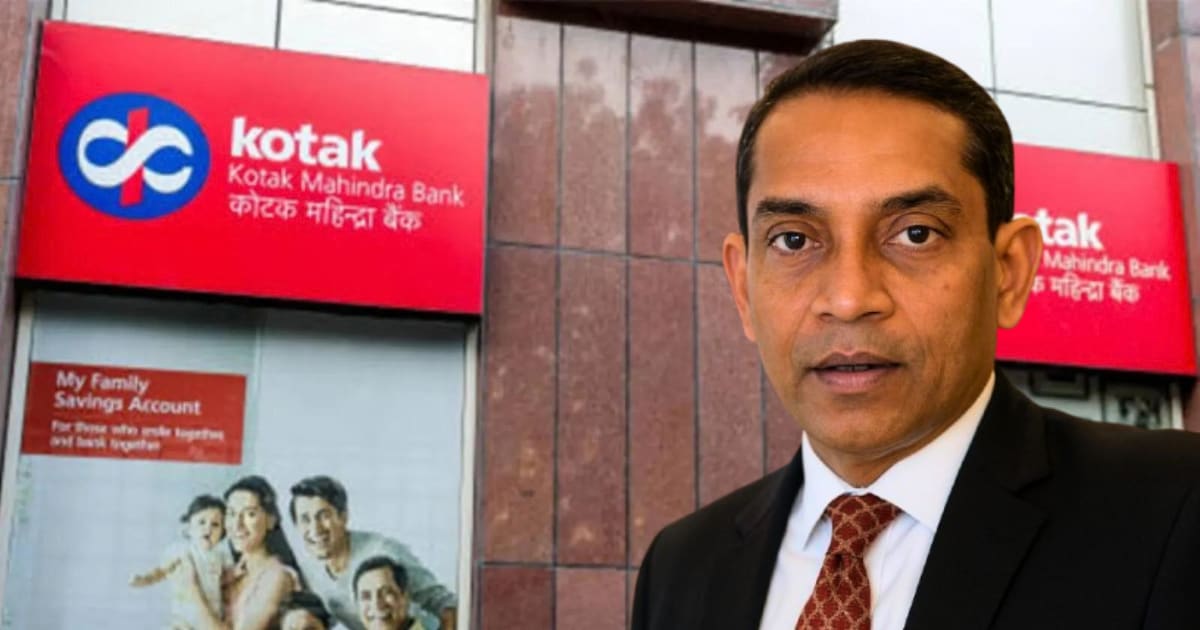
Kotak Mahindra Bank's announcement of Anup Kumar Saha as its next MD & CEO, effective January 2027, has sent ripples through the Indian financial market. This pivotal leadership transition for a major private sector lender is being closely scrutinized by investors seeking insights into future strategic direction and its potential impact on KOTAKBANK stock and the broader banking sector. Our deep dive unpacks the implications, market reactions, and an actionable investor playbook.
Kotak Mahindra Bank CEO Succession: What Anup Saha's Appointment Means for KOTAKBANK & Indian Banking
The corridors of Indian finance are abuzz following Kotak Mahindra Bank's pivotal announcement: Anup Kumar Saha will take the helm as the bank's new Managing Director and Chief Executive Officer, effective January 1, 2027. This leadership transition at one of India's most prominent private sector banks is far more than a routine corporate change; it's a critical indicator of strategic continuity, future growth trajectory, and investor sentiment for the entire Indian banking sector. The market's immediate reaction, evidenced by a noticeable uptick in KOTAKBANK shares, underscores the perceived stability and confidence in an internal candidate's ability to navigate the complex financial landscape.
This development arrives at a crucial juncture for the Indian banking system, which is experiencing robust credit growth, improving asset quality, and increasing competition from fintech players. A seamless leadership transition at a behemoth like Kotak Mahindra Bank (current market capitalization approximately ₹3.5 trillion) can reinforce investor trust in the sector's long-term prospects. Saha’s appointment, coming with a significant lead time, allows for an extended and well-managed handover, a luxury often not afforded in high-stakes corporate successions. This deliberate approach itself sends a powerful message of stability to shareholders and the broader market.
Deep Market Impact Analysis: KOTAKBANK and the Indian Banking Sector
The immediate aftermath of the announcement saw KOTAKBANK shares (NSE: KOTAKBANK) surge over 2% on the National Stock Exchange, reflecting a strong vote of confidence from institutional and retail investors alike. This positive market response is rooted in several factors. Firstly, the selection of an internal candidate like Anup Saha, who has a long and distinguished career within Kotak Mahindra Bank, minimizes the risk of disruptive strategic shifts. Investors typically favor continuity, especially in the banking sector where relationships, regulatory adherence, and established operational frameworks are paramount.
Historically, major leadership changes at Indian private banks have often been met with initial volatility, followed by a re-evaluation based on the new leader's perceived vision. For instance, when ICICI Bank announced Sandeep Bakhshi as its MD & CEO in 2018, the stock experienced short-term fluctuations before stabilizing as his turnaround strategy gained traction. In contrast, Saha's appointment, with its extended transition period, mitigates much of this initial uncertainty, allowing the market to digest the news gradually. This 'controlled succession' model is a significant de-risking factor for KOTAKBANK and sets a positive precedent for other large Indian corporates.
The broader Indian banking sector also benefits from this perceived stability. The Nifty Bank index, comprising key players like HDFC Bank (NSE: HDFCBANK), ICICI Bank (NSE: ICICIBANK), Axis Bank (NSE: AXISBANK), and State Bank of India (NSE: SBIN), often reacts to significant news from its constituents. When a major private sector player like Kotak Mahindra Bank demonstrates strong governance and a clear succession plan, it instills confidence across the board. This is particularly relevant as the sector navigates evolving regulatory landscapes, technological disruption, and global economic uncertainties. A well-managed transition at Kotak reinforces the narrative of a robust and resilient Indian financial system.
Brokerage houses have largely echoed this bullish sentiment. Nomura, for example, highlighted Saha's deep understanding of the bank's culture and operations as a key positive, suggesting a smooth transition and continued focus on profitable growth. Jefferies pointed to the long lead time as an opportunity for strategic alignment and stakeholder engagement, further reducing execution risks. This consensus view among analysts strengthens the bullish case for KOTAKBANK and its peers.
Stock-by-Stock Breakdown: Who Wins, Who Watches?
- Kotak Mahindra Bank (NSE: KOTAKBANK): The primary beneficiary. The stock saw an immediate positive reaction, reflecting investor confidence in leadership continuity and potential for sustained growth under Saha. With a current P/E ratio of approximately 20x (forward earnings), slightly above the sector average, the market is pricing in premium growth. Investors will be watching for continued improvements in net interest margins (NIMs) and asset quality, as well as the bank's digital transformation initiatives.
- HDFC Bank (NSE: HDFCBANK): As the largest private sector bank, HDFC Bank often serves as a bellwether. While not directly impacted by Kotak's succession, the positive sentiment around leadership stability in a peer bank can indirectly benefit HDFC Bank by reinforcing overall sector confidence. HDFC Bank, with its recent merger integration, is focused on synergistic growth, and a stable competitive landscape aids its strategic execution.
- ICICI Bank (NSE: ICICIBANK): Another major private sector player, ICICI Bank has demonstrated strong performance in recent quarters. The stability at Kotak Mahindra Bank reduces competitive uncertainty, allowing ICICI Bank to focus on its own growth strategies, particularly in retail and SME lending. A healthy competitive environment, rather than one defined by leadership upheaval, benefits all established players.
- Axis Bank (NSE: AXISBANK): Having recently completed its acquisition of Citi's consumer business, Axis Bank is in a growth phase. A stable leadership transition at a rival like Kotak Mahindra Bank provides a clearer competitive landscape, allowing Axis to execute its integration and growth plans without additional market-wide leadership uncertainties.
- IndusInd Bank (NSE: INDUSINDBK): A mid-tier private bank, IndusInd Bank stands to benefit from the overall positive sentiment in the private banking space. Strong leadership at larger peers often translates into increased investor interest for the entire segment, potentially driving up valuations for well-performing mid-caps.
Expert Perspective: Bulls vs. Bears on Kotak's Future
The narrative surrounding Anup Saha's appointment is predominantly bullish, yet a balanced view necessitates considering potential counterarguments. The Bulls would argue that Saha's deep institutional knowledge, having spent over two decades at Kotak Mahindra Bank, ensures a seamless continuation of the bank's established growth strategy. His prior experience across various key functions, including retail banking, wealth management, and digital initiatives, positions him uniquely to drive innovation while maintaining the bank's prudent risk management framework. They foresee accelerated digital transformation, sustained credit growth, and continued improvement in asset quality, leading to a re-rating of KOTAKBANK's stock. The long lead time is a significant advantage, allowing for meticulous planning and stakeholder alignment, minimizing any potential 'transition shock'.
The Bears, on the other hand, might point to the extended transition period (nearly three years) as a potential source of 'lame-duck' leadership for the outgoing CEO or a period of strategic stagnation. While continuity is often lauded, a lack of 'fresh perspective' from an external hire could be seen as a missed opportunity for radical transformation in a rapidly evolving financial landscape. They might also highlight the challenge of maintaining employee morale and strategic momentum over such a prolonged handover period. Furthermore, the banking sector faces increasing competition from fintechs and a dynamic regulatory environment; the bears might question if an internal candidate, however experienced, possesses the disruptive vision needed to navigate these future challenges effectively. They would scrutinize any signs of slow decision-making or conservative strategies during the transition phase, potentially weighing on the stock's performance in the interim.
Actionable Investor Playbook: Navigating the KOTAKBANK Transition
For investors keen on leveraging this development, a multi-faceted approach is advisable:
- Buy/Accumulate KOTAKBANK (Long-term): For long-term investors, the current dip post-announcement (if any, after initial surge) or consolidation phases could present attractive entry points. Focus on the bank's fundamental strengths: strong asset quality, diversified revenue streams, and robust capital adequacy. The continuity of leadership de-risks the long-term growth story. Target price revisions from major brokerages (e.g., ₹2,200-₹2,400 per share) should be closely monitored.
- Watch for Strategic Clarity: Over the next 12-18 months, pay close attention to any strategic announcements or interviews from Anup Saha regarding his vision for the bank. Specifics on digital initiatives, expansion into new segments, and capital allocation will be key.
- Sector-Wide Exposure (ETFs/Index Funds): Investors seeking broader exposure to the Indian banking sector can consider Nifty Bank ETFs (e.g., NIFTYBEES) or actively managed banking funds. The positive sentiment around Kotak's succession can provide a tailwind for the entire sector, offering diversified growth potential.
- Monitor Peer Performance: Keep an eye on direct competitors like HDFC Bank and ICICI Bank. Their performance relative to KOTAKBANK during this transition period can offer insights into shifting market dynamics and competitive positioning.
- Time Horizon: This is a long-term play. While immediate stock reactions are notable, the true impact of Saha's leadership will unfold over a 3-5 year horizon. Short-term traders might find limited volatility given the extended transition.
Risk Matrix: Assessing Potential Headwinds
While the outlook is largely positive, several risks warrant careful monitoring:
- Extended Transition Uncertainty (Probability: Medium): The nearly three-year lead time, while beneficial for planning, could create a perception of 'stalling' or a lack of immediate decisive action. Any perceived slowdown in strategic initiatives during this period could dampen investor enthusiasm.
- Regulatory Interventions (Probability: Low-Medium): The Indian banking sector is heavily regulated. Any unforeseen changes in RBI policies regarding capital adequacy, asset classification, or corporate governance could impact all banks, including Kotak Mahindra Bank, irrespective of leadership.
- Execution Risk (Probability: Medium): While Saha's experience is extensive, the sheer scale and complexity of leading a bank the size of Kotak Mahindra Bank present significant execution challenges. Any missteps in integrating new technologies, managing credit growth, or navigating competitive pressures could impact profitability.
- Shareholder Approval (Probability: Low): While highly likely to pass, the formal shareholder approval for Saha's appointment is a procedural step. Any unexpected dissent, however minor, could cause a temporary ripple, though it's unlikely to alter the outcome significantly.
What to Watch Next: Catalysts and Key Dates
The story around Kotak Mahindra Bank's leadership transition is far from over. Investors should keep a close watch on the following:
- Upcoming Earnings Calls: The next few quarterly earnings calls (Q2, Q3, Q4 FY24) will provide opportunities for current management to elaborate on strategic continuity and the transition plan. Listen for specific mentions of Saha's involvement and future direction.
- Shareholder Meeting (AGM/EGM): The formal shareholder approval for Anup Saha's appointment will be a key date. While the exact date is yet to be announced, this will solidify the transition plan.
- RBI's Monetary Policy Reviews: The Reserve Bank of India's stance on interest rates and liquidity will continue to influence the banking sector's profitability. Any shifts in policy (e.g., rate cuts/hikes) will directly impact NIMs and credit growth.
- Digital Initiatives Updates: Kotak Mahindra Bank has been a strong proponent of digital banking. Any new product launches, technology partnerships, or updates on customer acquisition through digital channels will be critical indicators of future growth under Saha's impending leadership.
- Economic Data Releases: Broader macroeconomic indicators such as GDP growth, inflation, and industrial production will continue to shape the operating environment for all Indian banks. Robust economic growth generally translates to higher credit demand and lower NPAs.
In conclusion, Anup Kumar Saha's appointment as the future MD & CEO of Kotak Mahindra Bank is a strategically sound move that signals stability and continuity. While the long transition period presents unique dynamics, the market's initial reaction and expert analysis point towards a bullish outlook for KOTAKBANK and a reinforcing effect on the broader Indian banking sector. Savvy investors will use this period to conduct their due diligence, monitor key developments, and position themselves for long-term value creation.
See KOTAKBANK's AI Score
Our algorithmic screener scores KOTAKBANK on fundamentals, momentum, and risk — free to try, no card needed.
Try the AI Screener →Have questions about this story?
Ask Welth, our finance-focused AI research assistant, for a deeper breakdown — free trial included.
Chat with Welth AI →Disclaimer: This content is generated by WelthWest Research Desk based on publicly available reports and is for informational purposes only. It does not constitute financial advice, investment recommendations, or an offer to buy or sell securities. Always consult a qualified financial advisor before making investment decisions.