Key Takeaway
The era of unchecked AI-fueled growth valuations is meeting the reality of capital expenditure fatigue. Investors must pivot from high-multiple tech bets toward domestic consumption defensives to shield against a cooling global enterprise spend cycle.
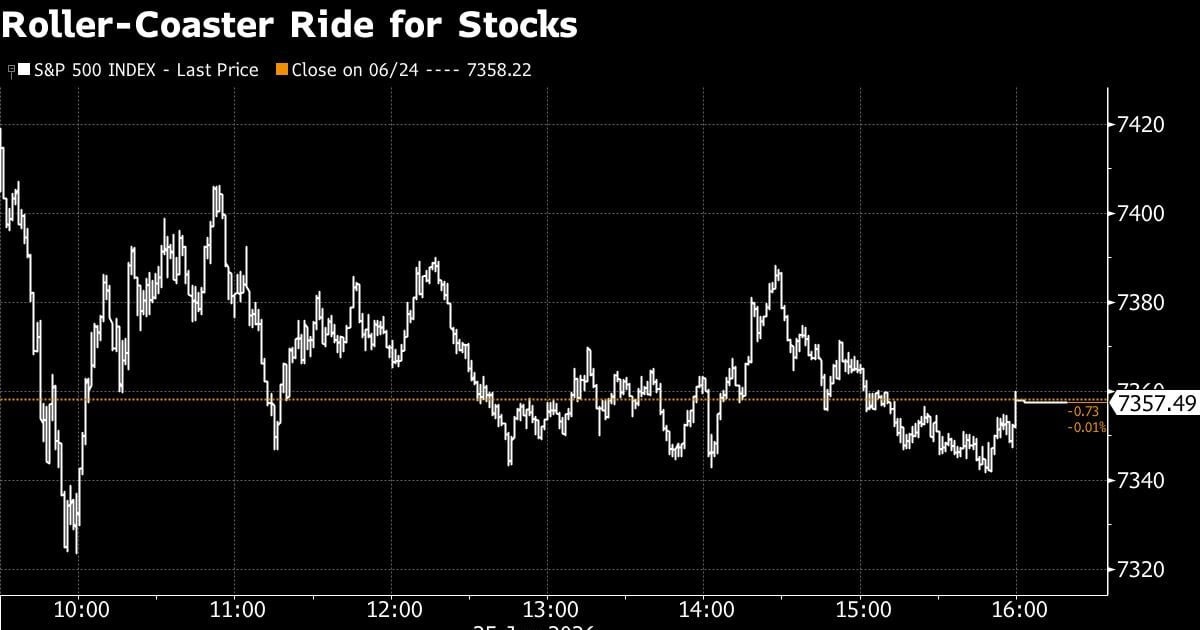
A global tech correction is triggering a significant re-evaluation of Indian IT stocks as FIIs retreat from high-valuation assets. This analysis explores the risks to major players like TCS and Infosys while identifying defensive sectors set to outperform in a high-volatility environment.
The Great Tech De-Rating: A Structural Shift for Indian Equities
The global equity landscape is undergoing a painful, long-overdue recalibration. As the euphoria surrounding Artificial Intelligence (AI) infrastructure spending encounters the cold reality of delayed monetization, the ripple effects are being felt acutely across Asian markets. For the Indian investor, the correlation between Nasdaq volatility and the Nifty IT index has never been more pronounced, signaling a potential end to the aggressive valuation expansion witnessed over the past eighteen months.
This is not merely a temporary dip; it is a structural reassessment of the 'AI-premium' embedded in technology stocks. When US hyperscalers throttle capital expenditure to protect margins, the downstream impact on Indian IT services—which rely heavily on global digital transformation budgets—is immediate and binary.
Why is the Indian IT Sector Facing a Correction Now?
The primary catalyst for this shift is the exhaustion of the 'AI-hype cycle.' During the 2022-2023 period, Indian IT firms commanded P/E ratios that were disconnected from their organic revenue growth, buoyed by the hope that AI implementation would trigger a massive multi-year upgrade cycle. However, current data suggests that enterprise clients are prioritizing cost-optimization over speculative innovation.
Historically, when the Nasdaq corrects by more than 10% in a single quarter, the Nifty IT index has shown a beta of approximately 1.2, meaning it suffers disproportionately. With FIIs (Foreign Institutional Investors) currently in a risk-off mode, liquidity is migrating from high-valuation growth sectors into domestic-focused defensives like FMCG and Pharma, which offer more predictable cash flows amidst global macroeconomic uncertainty.
How will the global tech slowdown impact Indian IT services?
The impact is multifaceted. Firstly, it compresses margins as firms struggle to pass on costs to clients who are themselves facing budget scrutiny. Secondly, it leads to a contraction in the valuation multiples of mid-cap tech firms that were trading at 40x-50x earnings based on growth projections that are now being revised downwards. We are effectively moving from a 'growth at any price' environment to a 'margin-resilience' mandate.
Stock-by-Stock Breakdown: The Frontline of the Correction
- TCS (TATA CONSULTANCY SERVICES): As the industry bellwether, TCS is currently testing critical support levels. With a P/E hovering near 30x, any further contraction in enterprise digital spend will make it difficult to justify current premiums.
- Infosys (INFY): Infosys is uniquely exposed to the banking and financial services (BFS) sector in the US. As high interest rates persist, banks are slashing their tech transformation budgets, directly threatening Infosys's top-line growth.
- HCL Technologies (HCLTECH): HCL’s heavy focus on engineering and R&D services makes it a victim of the semiconductor-linked manufacturing slowdown. Expect volatility as global supply chains recalibrate.
- Wipro (WIPRO): Already struggling with internal restructuring, Wipro faces the dual risk of operational headwinds and a cooling market. It remains a high-beta play that may see significant downside if the broader sector sentiment remains bearish.
- Tech Mahindra (TECHM): Heavily tied to the telecom sector, Tech Mahindra faces cyclical pressure as global telecom providers delay 5G-related infrastructure upgrades in favor of balance sheet preservation.
Expert Perspective: Bulls vs. Bears
The Bear Case: Analysts at the bearish end of the spectrum argue that we are entering a 'lost cycle' for IT services. They point to the slowing growth in the US cloud computing market and the rise of automated coding tools that could cannibalize the traditional 'bodies-in-seats' outsourcing model.
The Bull Case: Conversely, value-oriented investors argue that the correction provides a rare entry point for long-term holders. They contend that AI will eventually drive a productivity revolution that benefits Indian IT firms, and current price levels represent a significant discount to the intrinsic value of these cash-rich companies.
Actionable Investor Playbook
For investors looking to navigate this volatility, the strategy must be one of tactical rotation:
- Reduce Exposure to High-P/E Mid-caps: If your portfolio is tilted toward mid-cap tech stocks trading at >40x P/E, consider trimming positions.
- Shift to Defensive Sectors: Increase allocation to FMCG (e.g., HUL, Nestle) and Pharma (e.g., Sun Pharma) where earnings visibility is decoupled from global tech cycles.
- Watch for Entry Points: Do not 'catch a falling knife.' Wait for the Nifty IT index to show signs of stabilizing at its 200-day moving average before adding to core positions.
Risk Matrix: Assessing the Downside
Risk Factor Probability Potential Impact Sustained US Interest Rates High Significant valuation compression AI-CapEx Freeze Medium Revenue stagnation for IT majors FII Outflow Acceleration Medium Short-term price volatility
What to Watch Next
Investors should closely monitor the upcoming quarterly results of major US hyperscalers (Microsoft, Alphabet, AWS). Their commentary on enterprise cloud spend will serve as the leading indicator for the performance of Indian IT stocks in the subsequent quarter. Additionally, keep a close watch on the RBI’s commentary regarding domestic inflation, as any shift toward a more dovish stance could provide a floor for the broader Indian market, potentially insulating it from further global tech contagion.
See TCS's AI Score
Our algorithmic screener scores TCS on fundamentals, momentum, and risk — free to try, no card needed.
Try the AI Screener →Have questions about this story?
Ask Welth, our finance-focused AI research assistant, for a deeper breakdown — free trial included.
Chat with Welth AI →Disclaimer: This content is generated by WelthWest Research Desk based on publicly available reports and is for informational purposes only. It does not constitute financial advice, investment recommendations, or an offer to buy or sell securities. Always consult a qualified financial advisor before making investment decisions.