Key Takeaway
The simultaneous surge in US Treasury yields and Brent crude prices presents a formidable headwind for Indian equities. Investors must brace for potential FII outflows, rupee depreciation, and inflationary pressures, necessitating a strategic shift towards defensible sectors and upstream energy plays.
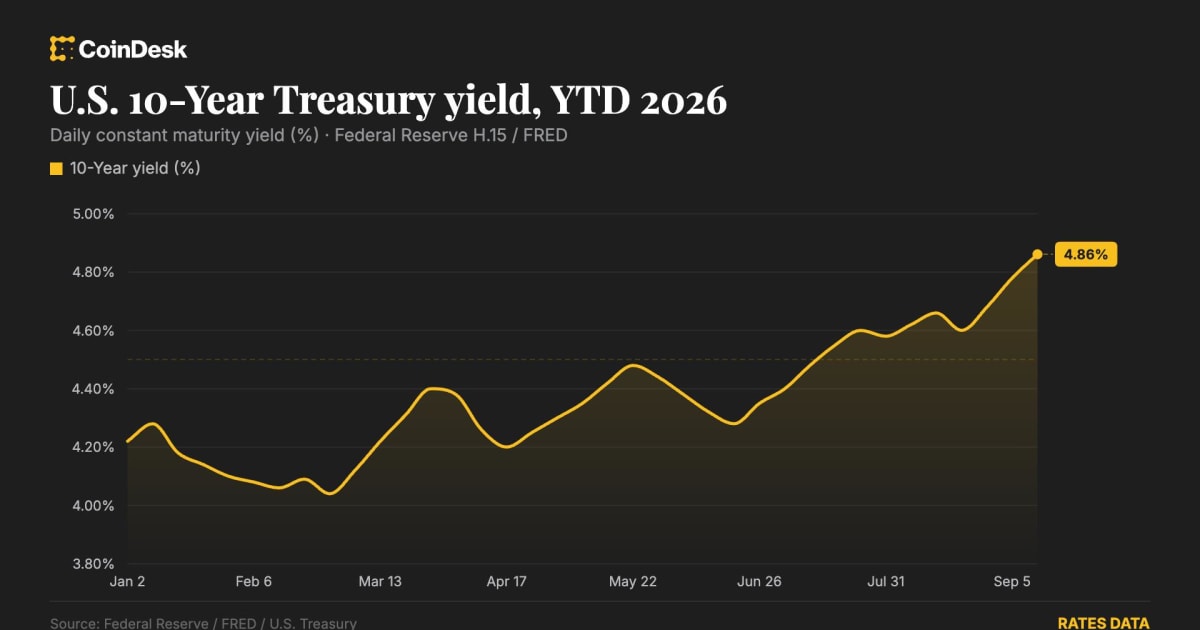
Global markets are grappling with a dual inflationary threat: escalating US Treasury yields and surging Brent crude prices. This potent combination signals potential monetary tightening and economic slowdowns, with significant ramifications for India's import-dependent economy and its stock market. Our deep dive reveals the sectors and stocks most at risk, alongside those poised to benefit.
Yield Shock: How Rising US Treasuries & Brent Crude Threaten Indian Equities
The global financial landscape is currently being reshaped by a potent dual force: surging US Treasury yields and an unexpected rebound in Brent crude prices. This confluence of events is far from a mere market blip; it signals a fundamental recalibration of inflation expectations and monetary policy trajectories, with profound implications for emerging markets, particularly India. At WelthWest Research Desk, our analysis indicates that this scenario is not just a concern for macroeconomists but a direct threat to investor portfolios across the Indian equity spectrum, demanding immediate attention and strategic re-evaluation.
The core event unfolding is a significant climb in benchmark US Treasury yields, reflecting growing conviction among investors that inflation may prove more persistent than previously anticipated, pushing the Federal Reserve towards a more aggressive tightening cycle. Simultaneously, Brent crude, the international benchmark for oil prices, has breached critical psychological barriers, driven by supply concerns and robust demand signals. For India, a net importer of crude oil and a nation heavily reliant on foreign institutional investment (FII), these developments are a red flag, signaling potential capital flight, currency depreciation, and an exacerbation of inflationary pressures that could force the Reserve Bank of India (RBI) into tighter monetary policy, impacting borrowing costs and economic growth.
What Does Rising US Treasury Yields Mean for Indian Investments?
The gravitational pull of higher US Treasury yields on global capital flows is undeniable. As yields on 'risk-free' US government bonds increase, the attractiveness of riskier emerging market assets, including Indian equities, diminishes. FIIs, which have been significant drivers of Indian market rallies, often reallocate capital from developing economies to the perceived safety and now higher returns of US fixed income. Historical data from periods like late 2021 to early 2022, when US 10-year Treasury yields first began their ascent, showed a discernible pattern of FII outflows from India, leading to broad market corrections. For instance, in the first half of 2022, FIIs withdrew over $28 billion from Indian equities as global interest rates rose, contributing to a significant Nifty 50 correction of over 15% from its peak.
This capital outflow directly impacts the Indian rupee. A weakening rupee makes imports more expensive, fueling domestic inflation, and eroding the returns for foreign investors, creating a negative feedback loop. Companies with significant foreign currency debt also face increased servicing costs, while those relying on imported raw materials see their input costs rise. The IT services sector, a darling of FIIs due to its robust growth and dollar-denominated revenues, paradoxically becomes vulnerable. While a weaker rupee aids top-line revenue conversion, the sector's high FII ownership makes it susceptible to sell-offs during periods of capital flight. Moreover, a global growth slowdown, often a consequence of aggressive monetary tightening, directly impacts demand for IT services, which are discretionary spending for many global clients.
How Will Surging Brent Crude Prices Affect India's Economy and Stock Market?
India's Achilles' heel has long been its reliance on imported crude oil, which accounts for over 85% of its consumption. Every dollar increase in Brent crude prices significantly inflates India's import bill, widening the current account deficit (CAD). A larger CAD puts immense pressure on the rupee and depletes foreign exchange reserves. More critically, higher crude prices translate directly into elevated domestic fuel prices – petrol, diesel, and Aviation Turbine Fuel (ATF) – impacting every segment of the economy.
The inflationary impact is pervasive. Transportation costs rise for goods and services, leading to higher prices for consumers. Energy-intensive sectors like manufacturing, chemicals, and logistics face direct input cost pressures that cannot always be fully passed on to consumers. Consumer discretionary spending, already under pressure from general inflation, takes a further hit as household budgets are squeezed by higher fuel and food prices. This leads to a slowdown in demand for non-essential goods and services, impacting sectors like automobiles and consumer durables.
The RBI faces a difficult dilemma: hike interest rates to combat inflation, potentially stifling economic growth, or risk allowing inflation to run rampant, eroding purchasing power. Given its mandate for price stability, the likelihood of rate hikes increases, impacting interest-rate sensitive sectors like banking (initially positive for Net Interest Margins, but negative for loan growth in the long term) and real estate.
Deep Market Impact Analysis: Identifying Winners and Losers in the Indian Equity Landscape
The current market dynamics create a stark divergence in sectoral fortunes. Understanding these shifts is crucial for navigating the volatility.
- Winners: Upstream Oil & Gas & Commodity Producers. Companies involved in oil and gas exploration and production directly benefit from higher crude prices. Their revenue and profitability are intrinsically linked to global commodity benchmarks. Similarly, if the broader inflationary environment pushes up other commodity prices (metals, agricultural products), producers in those segments could see improved realizations.
- Losers: IT Services. Despite the rupee's potential depreciation, the sector's sensitivity to FII outflows and global growth slowdowns outweighs the currency benefit. Large-cap IT firms like Infosys (NSE: INFY) and Tata Consultancy Services (NSE: TCS), with their significant FII holdings and global client base, face headwinds.
- Losers: Automobiles. Higher fuel costs deter consumers, impacting demand for both passenger and commercial vehicles. Furthermore, rising input costs from crude derivatives (plastics, rubber) squeeze profit margins. Tata Motors (NSE: TATAMOTORS) and Maruti Suzuki India (NSE: MARUTI) are particularly vulnerable.
- Losers: Airlines. Aviation Turbine Fuel (ATF) constitutes a significant portion (30-40%) of an airline's operating costs. A sustained rise in Brent crude directly translates to higher ATF prices, severely impacting the profitability of carriers like IndiGo (NSE: INDIGO) and SpiceJet (NSE: SPICEJET).
- Losers: Chemicals. Many chemical companies use crude oil derivatives as key raw materials. Higher crude prices directly inflate their production costs, impacting margins.
- Losers: Logistics. Fuel is a primary operating expense for logistics companies. Increased diesel prices erode profitability for players in this sector.
- Losers: Consumer Discretionary. With inflation eroding disposable income, consumers cut back on non-essential spending, hurting sectors like consumer durables, retail, and entertainment.
- Losers: Interest-Rate Sensitive Sectors. Should the RBI hike rates in response to inflation, sectors dependent on borrowing or consumer financing, such as real estate and parts of the financial sector, will face challenges.
Stock-by-Stock Breakdown: Navigating the Volatility
Let's delve into specific Indian equities and their expected performance under these challenging conditions:
Reliance Industries Ltd (NSE: RIL): As an integrated energy conglomerate, RIL presents a nuanced picture. Its upstream exploration & production segment (E&P) benefits directly from higher crude prices. However, its refining and petrochemicals segments, while benefiting from higher product spreads, also face increased feedstock costs. The consumer-facing businesses (Jio, Retail) are susceptible to consumer discretionary spending cuts and higher interest rates. The net impact is complex, but the E&P tailwind offers some offset. For instance, a $10/barrel increase in crude prices can add significant value to its E&P segment, which is often underappreciated by analysts focusing solely on refining margins. RIL’s current market capitalization of over ₹18 lakh crore makes it a bellwether for the Indian market, and its trajectory will significantly influence broader sentiment.
Oil and Natural Gas Corporation (NSE: ONGC): This pure-play upstream oil and gas exploration and production company is a direct beneficiary. Higher Brent crude prices directly boost its realization per barrel, leading to improved revenues and profitability. ONGC's robust dividend yield also makes it attractive in a rising interest rate environment. Its P/E ratio, often lower than its private peers, could see a re-rating if crude prices remain elevated. A sustained Brent price above $95-$100 is a strong positive for ONGC, potentially driving its share price significantly higher, as seen in previous crude rallies in 2022.
Tata Motors (NSE: TATAMOTORS): As a leading automobile manufacturer, Tata Motors faces a double whammy. Domestically, higher fuel prices impact demand for both passenger and commercial vehicles. Its global luxury brand, Jaguar Land Rover (JLR), also grapples with global inflationary pressures and potential slowdowns in key markets. Moreover, input costs for steel, aluminum, and plastics (crude derivatives) will likely rise, squeezing margins. The company's significant debt load also makes it sensitive to rising interest rates. Historically, auto stocks have underperformed during periods of sustained high crude prices and rising rates.
IndiGo (InterGlobe Aviation Ltd - NSE: INDIGO): The largest airline in India, IndiGo is highly sensitive to ATF prices. With ATF often accounting for 30-40% of operating expenses, a sustained rise in Brent crude directly erodes profitability. While passenger demand has shown resilience, the ability to pass on higher fuel costs through fare hikes is limited by competitive pressures and consumer price sensitivity. A $10/barrel increase in crude can wipe out a significant portion of quarterly profits for airlines, making them a high-risk play in this environment. Sector peer SpiceJet (NSE: SPICEJET) faces even greater challenges due to its weaker financial position.
Infosys (NSE: INFY): A bellwether for the Indian IT services sector, Infosys is vulnerable to FII outflows as global investors seek safer havens or higher yields in developed markets. While a depreciating rupee offers some top-line benefit, a global economic slowdown, often a consequence of aggressive central bank actions, could lead to reduced tech spending by clients. Infosys, with its market cap exceeding ₹6 lakh crore, is a significant component of the Nifty 50, and its performance can influence broader market sentiment. Its P/E ratio, typically higher due to growth expectations, becomes more susceptible to corrections during periods of global risk aversion.
Expert Perspective: Bulls vs. Bears on India's Economic Resilience
The current environment sparks intense debate among market strategists.
The Bearish Argument: Bears contend that the confluence of high crude prices and rising US yields creates a perfect storm for India. They highlight the country's import dependency, the potential for aggressive RBI rate hikes, and the risk of FII exodus. Their concern is a significant current account deficit, rupee depreciation beyond psychologically important levels (e.g., 85-88 against the USD), and a slowdown in domestic consumption due to inflation. They point to historical parallels where similar global headwinds led to sharp market corrections and capital flight, arguing that India's valuation multiples are not cheap enough to absorb such shocks without a significant re-rating.
The Bullish Argument: Contrarian views emphasize India's underlying economic resilience and structural reforms. Bulls argue that India's domestic consumption story remains robust, supported by government infrastructure spending and a growing middle class. They believe the RBI has sufficient foreign exchange reserves to manage rupee volatility and that corporate balance sheets are healthier than in previous cycles. Furthermore, they highlight India's 'decoupling' narrative, where its domestic growth drivers can partially insulate it from global slowdowns. Some bulls also point to the potential for domestic institutional investors (DIIs) to absorb FII outflows, providing a floor to the market, as witnessed in recent years. They might also argue that the current yield and crude spike is temporary, driven by short-term factors, and will normalize, offering a buying opportunity for long-term investors.
Actionable Investor Playbook: Navigating the Volatile Terrain
In this challenging environment, a defensive yet opportunistic approach is warranted. Investors should consider the following concrete steps:
- Shift to Upstream Energy: Consider increasing exposure to upstream oil and gas exploration and production companies like ONGC, Oil India (NSE: OIL), or even integrated players with significant E&P segments. These companies offer a direct hedge against rising crude prices.
- Focus on Quality & Value: In times of uncertainty, focus on companies with strong balance sheets, consistent cash flows, low debt, and sustainable competitive advantages. Avoid highly leveraged companies or those with stretched valuations.
- Consider Export-Oriented Sectors (with caution): While a depreciating rupee generally benefits exporters, the risk of a global slowdown impacting demand must be weighed. Pharmaceutical companies, for instance, could see some currency tailwinds but also face regulatory and pricing pressures in key markets.
- Avoid Highly Sensitive Sectors: Reduce exposure to sectors directly impacted by higher fuel costs (Airlines, Logistics) and those highly sensitive to discretionary consumer spending (Automobiles, Consumer Discretionary).
- Maintain Liquidity: Keep a portion of your portfolio in cash or short-term fixed income to capitalize on potential market corrections and new buying opportunities.
- Staggered Investments: Instead of lump-sum investments, consider systematic investment plans (SIPs) or staggered purchases to average out entry costs during volatile periods.
- Monitor Macro Indicators: Closely watch key economic data points: CPI inflation, WPI inflation, current account deficit figures, FII flow data, and global crude oil inventory reports.
For investors with a longer time horizon (3-5 years), any significant market corrections driven by these macro headwinds could present attractive entry points into fundamentally strong Indian businesses that are currently overvalued but possess strong long-term growth prospects.
Risk Matrix: Assessing the Downside Potential
The primary risks associated with the current market environment are significant and multi-faceted:
- Sustained High Inflation and Aggressive Central Bank Action (Probability: High): If inflation remains stubbornly high, central banks globally, including the RBI, will be forced to implement more aggressive interest rate hikes. This would increase borrowing costs, slow economic activity, and potentially trigger a recession, impacting corporate earnings and valuations.
- Global Economic Slowdown and Export Demand Shock (Probability: Medium-High): Aggressive monetary tightening in major economies (US, Europe) could trigger a global recession, significantly impacting demand for Indian goods and services exports. This would hurt sectors like IT services, textiles, and engineering goods.
- Significant Rupee Depreciation and Capital Flight (Probability: Medium): A combination of sustained FII outflows and a widening current account deficit could lead to a sharper-than-expected depreciation of the Indian rupee, exacerbating imported inflation and making it harder for the RBI to manage monetary policy.
- Geopolitical Escalation Impacting Oil Supply (Probability: Medium): Any further geopolitical tensions in major oil-producing regions could lead to supply disruptions, pushing crude prices even higher and intensifying the inflationary pressures on India.
What to Watch Next: Key Catalysts and Data Releases
Investors should closely monitor the following upcoming catalysts and data releases that will shape this narrative:
- US Federal Reserve's Monetary Policy Meetings: The tone and actions of the Fed regarding interest rate hikes will be paramount. Upcoming FOMC minutes and press conferences will provide critical insights into their inflation outlook and policy trajectory.
- RBI Monetary Policy Committee (MPC) Meetings: The RBI's response to domestic inflation and currency depreciation will be crucial. Any unexpected rate hikes or dovish/hawkish commentary will move the Indian market.
- Crude Oil Inventory Reports: Weekly data from the US Energy Information Administration (EIA) and OPEC+ decisions on production quotas will provide insights into global oil supply-demand dynamics.
- India's CPI and WPI Inflation Data: Monthly inflation readings will indicate the effectiveness of current policies and the trajectory of domestic price pressures.
- India's Current Account Deficit (CAD) Data: Quarterly CAD figures will reveal the impact of crude imports and FII flows on India's external balance.
- Global PMI and Manufacturing Data: These indicators will signal the health of global economic activity and potential demand for Indian exports.
The intersection of rising US Treasury yields and surging Brent crude prices represents a significant inflection point for the Indian equity market. While challenges abound, a disciplined, informed, and strategic approach, focusing on resilience and value, can help investors navigate these turbulent waters and potentially uncover opportunities amidst the volatility.
See Reliance Industries (RIL)'s AI Score
Our algorithmic screener scores Reliance Industries (RIL) on fundamentals, momentum, and risk — free to try, no card needed.
Try the AI Screener →Have questions about this story?
Ask Welth, our finance-focused AI research assistant, for a deeper breakdown — free trial included.
Chat with Welth AI →Disclaimer: This content is generated by WelthWest Research Desk based on publicly available reports and is for informational purposes only. It does not constitute financial advice, investment recommendations, or an offer to buy or sell securities. Always consult a qualified financial advisor before making investment decisions.