Key Takeaway
Bitcoin's pre-jobs data lull signals heightened sensitivity to US macro. Indian investors must watch FII flows and tech sentiment, as global risk appetite dictates emerging market performance, potentially impacting sectors from IT to financials.

The crypto market is holding its breath as crucial US employment data looms, with Bitcoin's consolidation reflecting global investor caution. This deep dive explores how a seemingly distant crypto event can ripple through the Indian stock market, influencing FII flows, sector performance, and specific NSE/BSE tickers, urging investors to prepare for potential volatility.
Bitcoin's Pre-Jobs Jitters: Unpacking the Ripple Effect on Indian Equities
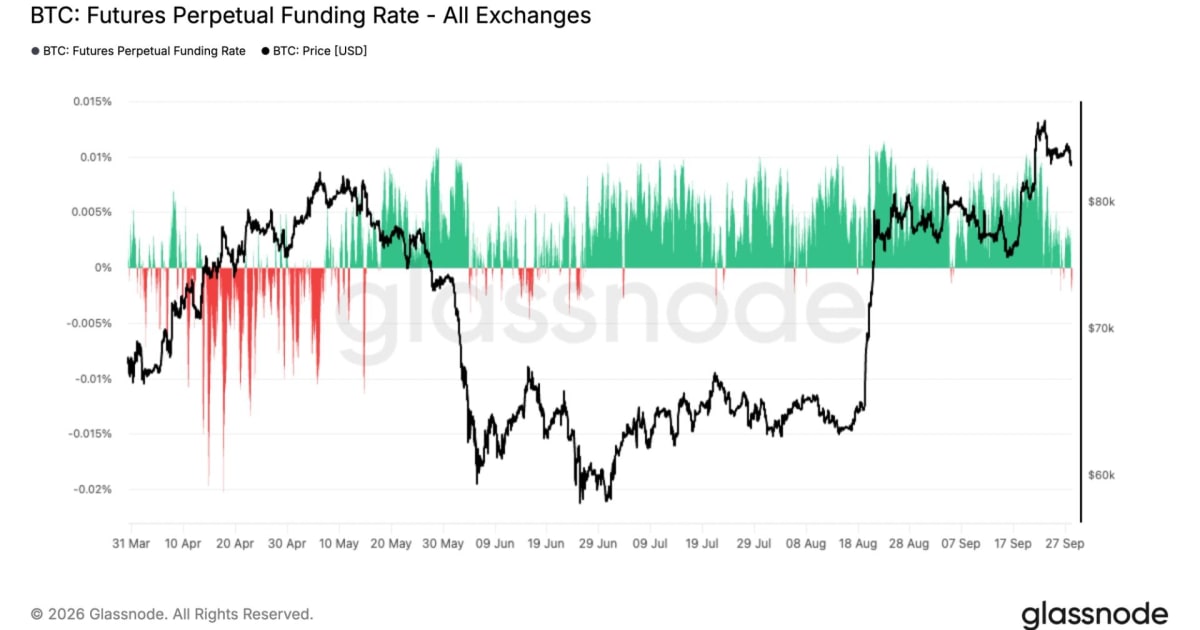
The global financial landscape is currently fixated on a peculiar bellwether: Bitcoin. As the world's largest cryptocurrency navigates a period of notable price consolidation, its stability belies a simmering tension ahead of critical US employment data. This isn't merely a crypto-centric event; it's a barometer for global risk appetite, and its tremors are increasingly felt across diverse markets, including the vibrant but vulnerable Indian equity landscape. At WelthWest Research Desk, we dissect these intricate connections, providing an original, data-driven perspective that cuts through the noise.
The immediate catalyst for Bitcoin's current pause is the impending release of the US Non-Farm Payrolls (NFP) report. This single economic indicator, alongside other key labor market metrics, holds immense sway over the Federal Reserve's monetary policy decisions. A robust jobs report could reinforce the Fed's hawkish stance, potentially leading to higher interest rates for longer. This scenario typically strengthens the US dollar, making dollar-denominated assets like Bitcoin less attractive to international investors and dampening speculative demand across risk assets globally. Conversely, a weaker report might signal a softening economy, potentially paving the way for earlier rate cuts, which could re-ignite demand for riskier investments, including cryptocurrencies.
Why does this matter now for Indian investors? The interconnectedness of global capital markets means that shifts in major economies, particularly the US, inevitably influence emerging markets like India. Foreign Institutional Investors (FIIs) are highly sensitive to global risk sentiment. When the US dollar strengthens and global risk aversion rises, FIIs tend to withdraw capital from emerging markets, seeking safer havens. This outflow can directly impact liquidity in the Indian market, affecting a broad spectrum of sectors and individual stocks on the NSE and BSE.
How Will US Employment Data Influence FII Flows into Indian Stocks?
The correlation between US macroeconomic data, global risk sentiment, and FII activity in India is well-documented. Historically, periods of significant US dollar strength, often a consequence of hawkish Fed policy, have coincided with FII outflows from Indian equities. For instance, in 2022, when the Fed aggressively hiked rates, FIIs were net sellers in the Indian market to the tune of over $28 billion, coinciding with a period of significant volatility for the Nifty 50. While the Nifty itself showed resilience, the underlying selling pressure was palpable, particularly in sectors heavily reliant on foreign capital or global growth narratives.
A strong US jobs report, signaling continued economic resilience, might initially be perceived as positive. However, in the current inflationary environment, it primarily signals continued Fed vigilance against inflation, implying a 'higher for longer' interest rate trajectory. This scenario strengthens the dollar, increasing the cost of capital for emerging markets and making US assets more appealing. Conversely, a weak jobs report, while potentially signaling economic slowdown, could also ignite hopes of a Fed pivot, which might be a net positive for risk assets globally, including Indian equities, by weakening the dollar and easing financial conditions.
The direct impact on Indian equities from a Bitcoin move is negligible in isolation. India's regulatory environment for cryptocurrencies is still evolving, and direct institutional exposure on the balance sheets of listed Indian companies is minimal. However, the indirect impact, via global risk sentiment and FII flows, is significant. Sectors sensitive to foreign investment, global growth, and technology narratives are particularly vulnerable to these ripple effects. Think of the IT services sector, which derives a substantial portion of its revenue from US and European markets, or capital-intensive sectors that rely on foreign funding.
Which Indian Stocks Are Most Exposed to Global Risk Sentiment Shifts?
While no Indian company has significant direct crypto holdings impacting their financials, the broader shift in global risk appetite, amplified by movements in Bitcoin, can create a palpable impact on specific NSE/BSE listed entities. Here’s a breakdown of 4-6 specific stocks and their sector peers likely to feel the heat or benefit from these global currents:
- Tata Consultancy Services (TCS: NSE): As India's largest IT services exporter, TCS generates nearly 50% of its revenue from North America. A 'risk-off' environment, triggered by sustained hawkish Fed policy post-strong US jobs data, could lead to reduced tech spending by US clients, impacting deal flows and revenue growth for TCS and its peers like Infosys (INFY: NSE) and HCLTech (HCLTECH: NSE). While their order books remain robust, a prolonged global economic slowdown could compress margins and temper growth expectations. Their P/E ratios, currently around 29x-32x, reflect healthy growth expectations that could be re-rated downwards if global sentiment sours significantly.
- Bajaj Finance (BAJFINANCE: NSE): This leading non-banking financial company (NBFC) is highly sensitive to domestic liquidity and interest rate cycles. While not directly exposed to global risk sentiment, a broad FII outflow, driven by a stronger dollar and higher global rates, can tighten domestic liquidity conditions. This can increase funding costs for NBFCs like Bajaj Finance and its peers such as Shriram Finance (SHRIRAMFIN: NSE), potentially impacting their net interest margins (NIMs) and profitability. The stock's premium valuation (P/E around 35x) relies on sustained high growth, which could be challenged by a restrictive liquidity environment.
- Reliance Industries (RELIANCE: NSE): A behemoth with diversified interests from energy to retail and digital, Reliance is a bellwether for the Indian economy. While its domestic consumer-facing businesses offer some insulation, its refining and petrochemical segments are sensitive to global crude prices and economic growth. A global slowdown, signaled by persistent Fed hawkishness, could dampen demand for refined products and petrochemicals, impacting Reliance's O2C segment. Furthermore, significant FII selling can exert downward pressure on large-cap stocks like Reliance, given their substantial weight in indices.
- ICICI Bank (ICICIBANK: NSE): As a leading private sector bank, ICICI Bank's performance is tied to India's economic growth and credit demand. However, a significant FII outflow can weaken the rupee, increasing the cost of imported goods and potentially stoking inflation, which could lead the RBI to maintain a hawkish stance domestically. This scenario could impact credit growth and asset quality for banks. While Indian banks are largely domestically funded, a global risk-off environment can create headwinds for capital raising and investor sentiment. Peers like HDFC Bank (HDFCBANK: NSE) also face similar, albeit muted, indirect impacts.
Expert Perspective: Bulls vs. Bears on Global Risk & Indian Market Resilience
The current confluence of Bitcoin consolidation and impending US jobs data presents a fertile ground for differing expert opinions. The 'Bulls' on Indian equities argue for the market's inherent domestic resilience. They point to India's strong consumption story, robust corporate earnings, and ongoing structural reforms as factors that can cushion against global headwinds. Furthermore, they might argue that any FII outflows are often quickly absorbed by strong Domestic Institutional Investor (DII) and retail participation, as evidenced by the consistent SIP inflows into mutual funds, which averaged over ₹17,000 crore monthly in recent times. They believe that while there might be short-term volatility, India's long-term growth trajectory remains intact, making any dips an opportunity for accumulation, especially in quality large-cap stocks like the ones mentioned above, which have demonstrated consistent performance.
Conversely, the 'Bears' emphasize the increasing interconnectedness of global markets and the potential for a prolonged period of higher global interest rates. They contend that a strong US economy, paradoxically, could be a negative for emerging markets if it translates to sustained Fed hawkishness. They highlight the risk of a stronger dollar creating a 'carry trade' unwind, where investors pull funds from higher-yielding but riskier assets in emerging markets to benefit from rising rates in the US. The bears also point to premium valuations in certain Indian sectors, arguing that any significant FII selling could trigger a sharper correction, especially in mid-cap and small-cap segments which are more susceptible to sentiment-driven moves. They would caution against over-optimism, suggesting that the 'decoupling' narrative often proves fleeting in periods of severe global stress.
Actionable Investor Playbook: Navigating the US Jobs Report Impact
For the discerning Indian investor, navigating this period requires a strategic approach, blending caution with opportunistic thinking. Here's an actionable playbook:
- Watch FII Flow Trends Closely: This is your primary indicator. Significant FII selling post-US jobs data would signal heightened risk aversion. Track daily FII/DII data on NSE and BSE websites.
- Sectoral Re-evaluation: Consider reducing exposure to highly rate-sensitive or globally dependent sectors if the US data signals prolonged hawkishness. This includes IT services (e.g., TCS, Infosys) and certain capital goods companies. Conversely, defensive sectors like FMCG (e.g., Hindustan Unilever, Nestle India) and pharmaceuticals (e.g., Sun Pharma, Dr. Reddy's) might offer relative stability.
- Focus on Domestic Growth Stories: Companies with strong domestic demand drivers and robust balance sheets are better positioned. Banks with strong retail franchises (e.g., HDFC Bank, Kotak Mahindra Bank) and consumer discretionary plays could be resilient, assuming domestic economic growth remains strong.
- Staggered Entry for Quality Stocks: If global sentiment triggers a market correction, use it as an opportunity for staggered entry into high-quality Indian blue-chip stocks. Identify your target entry points based on historical valuations and fundamental strength. For instance, if TCS corrects 5-7% from its current levels, consider initiating a small position, with a medium-to-long term horizon (1-3 years).
- Consider Gold as a Hedge: In times of global uncertainty and dollar strength, gold often acts as a safe-haven asset. Allocating a small portion of your portfolio to gold ETFs or sovereign gold bonds can provide a hedge against equity market volatility.
- Avoid Speculative Bets: Steer clear of highly leveraged positions or speculative small-cap stocks that are more prone to sharp corrections during periods of global risk aversion.
Risk Matrix: Assessing Potential Outcomes
Understanding the probabilities of various outcomes from the US employment data is crucial for risk management:
- Stronger-than-Expected US Jobs Report (Moderate Probability, ~40%):
- Impact: Fed maintains hawkish stance, dollar strengthens, global risk aversion rises. Bitcoin could see a moderate correction (3-5%).
- Indian Market Effect: FII outflows intensify, particularly from IT and rate-sensitive financials. Nifty 50 could see a dip of 1-2% in the immediate aftermath.
- Weaker-than-Expected US Jobs Report (Moderate Probability, ~35%):
- Impact: Hopes for Fed pivot increase, dollar weakens, global risk appetite improves. Bitcoin could stage a modest rally (2-4%).
- Indian Market Effect: FII outflows slow or reverse, positive sentiment for broader equities. Nifty 50 could see a gain of 0.5-1% as liquidity concerns ease.
- In-Line US Jobs Report (Low Probability, ~20%):
- Impact: Status quo for Fed policy, minimal impact on dollar or Bitcoin.
- Indian Market Effect: Market continues current trajectory, awaiting next catalysts.
- Black Swan Event (Very Low Probability, ~5%): A catastrophic jobs report or an unexpected geopolitical event coinciding with the data release. This could trigger extreme volatility in Bitcoin (10%+ move) and a broad-based panic in global equities.
What to Watch Next: Catalysts Beyond the Jobs Report
The US employment data is a significant, but not the sole, determinant of market direction. Investors should keep a keen eye on these upcoming catalysts:
- Next US Inflation Data (CPI & PPI): Following the jobs report, inflation figures will be paramount. Persistent high inflation, even with a cooling labor market, could keep the Fed hawkish.
- Federal Reserve FOMC Meeting Minutes & Speeches: The minutes from the latest FOMC meeting and subsequent speeches by Fed officials will provide further clues on their future monetary policy trajectory.
- Global Geopolitical Developments: Any escalation in ongoing conflicts or new geopolitical tensions can quickly shift risk sentiment, irrespective of economic data.
- Indian Corporate Earnings Season: The upcoming quarterly results for Indian companies will provide crucial insights into domestic demand and corporate health, potentially offsetting or amplifying global sentiment.
- Crude Oil Price Movements: Volatility in crude oil prices can impact India's import bill and inflation outlook, influencing the RBI's stance and FII sentiment.
In conclusion, while Bitcoin's direct influence on Indian equities is limited, its role as a proxy for global risk appetite, especially ahead of pivotal US economic data, cannot be ignored. The intricate dance between US monetary policy, global capital flows, and domestic Indian market dynamics necessitates a vigilant and informed approach from investors. At WelthWest, we remain committed to providing the deep, data-driven analysis required to navigate these complex interconnections.
Run a free AI Stock Screen
Our algorithmic screener scores any NSE/BSE stock on fundamentals, momentum, and risk — free to try, no card needed.
Try the AI Screener →Have questions about this story?
Ask Welth, our finance-focused AI research assistant, for a deeper breakdown — free trial included.
Chat with Welth AI →Disclaimer: This content is generated by WelthWest Research Desk based on publicly available reports and is for informational purposes only. It does not constitute financial advice, investment recommendations, or an offer to buy or sell securities. Always consult a qualified financial advisor before making investment decisions.