Key Takeaway
Substantial Bitcoin spot ETF outflows are signaling a growing global risk aversion. This 'crypto contagion' could tighten liquidity for Indian equities and weigh on emerging market sentiment, demanding a cautious approach from domestic investors.
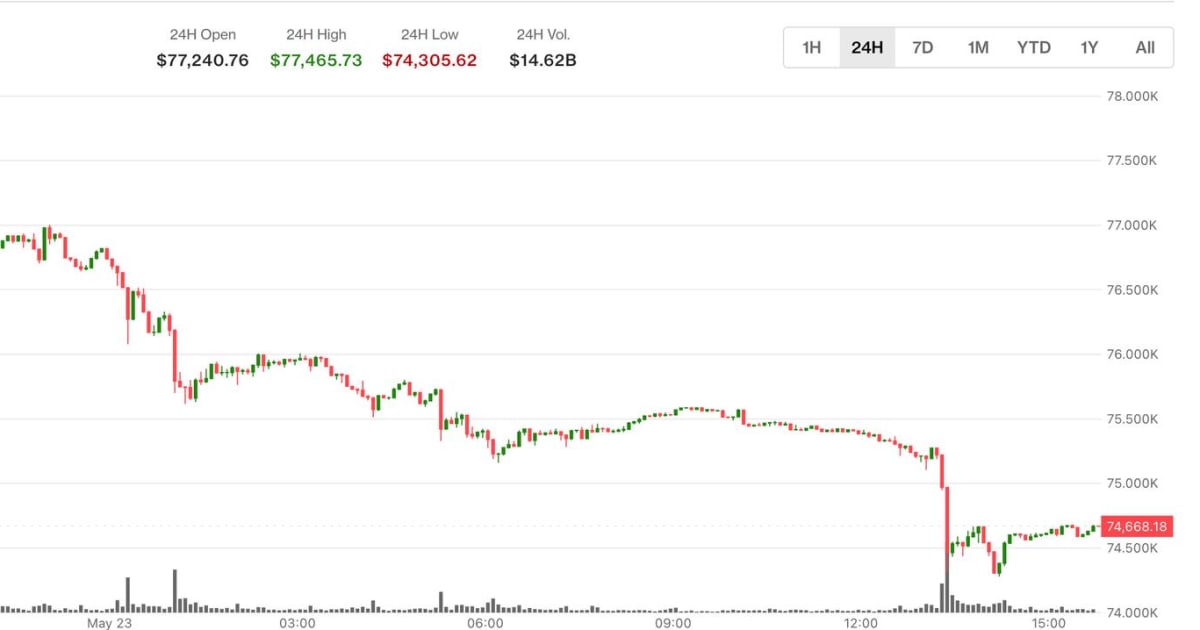
Recent record outflows from Bitcoin spot ETFs are a stark indicator of shifting global investor sentiment, moving away from speculative assets. This analysis delves into the potential ripple effects on India's equity markets, examining FII flows, sector-specific vulnerabilities, and actionable strategies for navigating this evolving landscape.
Bitcoin ETF Bleeding: Unpacking the Global Risk-Off Signal and Its Shadow Over India
The cryptocurrency market is once again at a critical juncture, not due to internal volatility, but as a bellwether for broader global financial sentiment. Recent, significant outflows from newly launched Bitcoin spot Exchange Traded Funds (ETFs) have sent shockwaves through the digital asset space, bleeding billions and raising serious questions about investor appetite for risk. While India’s direct exposure to these instruments remains nascent, the implications for the Indian stock market are far from negligible. These outflows are not just a crypto story; they are a powerful signal of a global 'risk-off' sentiment that could significantly influence foreign institutional investor (FII) flows into emerging markets, including India, thereby impacting equity valuations and currency stability.
Why Are Bitcoin ETF Outflows a Big Deal for Indian Investors NOW?
The approval of Bitcoin spot ETFs in the United States was hailed as a landmark moment, promising to democratize access to digital assets for mainstream investors. However, the subsequent record-breaking outflows, amounting to billions of dollars in a short span, suggest a rapid reassessment by these same investors. This pivot from enthusiastic adoption to cautious divestment is a critical development. It indicates that a significant portion of the capital that flowed into these ETFs was driven by speculative fervor rather than fundamental conviction. When this speculative capital begins to retreat, it often signals a broader shift in investor psychology, characterized by heightened risk aversion.
For India, this 'risk-off' sentiment is particularly relevant. Foreign Institutional Investors (FIIs) are major drivers of liquidity and valuation in the Indian stock market. A global environment perceived as riskier leads these investors to reallocate capital away from emerging markets, which are typically viewed as higher-risk propositions compared to developed economies. The withdrawal of funds from Bitcoin ETFs, a highly speculative asset class, can be an early indicator of this broader capital flight. If this trend persists, it could translate into reduced FII inflows into Indian equities, potentially leading to price corrections and increased volatility across various sectors.
Deep Market Impact Analysis: Connecting Crypto Outflows to Indian Equity Performance
The correlation between global risk sentiment and FII flows into India is well-established. During periods of heightened global uncertainty, such as the COVID-19 pandemic in early 2020 or the Russia-Ukraine conflict in early 2022, FIIs have historically been net sellers of Indian equities. The current Bitcoin ETF outflows, while originating in a niche market, are echoing similar patterns of capital withdrawal from riskier assets. This suggests that the underlying driver might be a global macroeconomic concern – perhaps inflation persistence, geopolitical tensions, or anticipated interest rate hikes – rather than a specific issue within the cryptocurrency ecosystem itself.
Consider the period of early 2022. As global markets grappled with rising inflation and the prospect of aggressive monetary tightening by central banks, Bitcoin prices experienced a significant downturn. Simultaneously, FIIs pulled over ₹1.5 lakh crore from Indian equities in 2022. While the current situation is not an exact replica, the dynamic of capital moving out of speculative assets and potentially out of emerging markets shares a common thread. The current outflows from Bitcoin ETFs, if sustained, could exert similar pressure on Indian markets by reducing the pool of available foreign capital.
Sector-Level Vulnerabilities and Historical Parallels
The impact of a risk-off environment is not uniform across all sectors. Historically, sectors that are more sensitive to FII flows and global economic cycles tend to be more vulnerable. These often include:
- Information Technology (IT): Indian IT services companies, with their significant revenue streams from North America and Europe, are highly susceptible to global economic slowdowns and reduced corporate spending. A sustained risk-off sentiment could lead to clients delaying projects or cutting IT budgets, impacting the revenue growth and profitability of companies like TCS (TCS.NS) and Infosys (INFY.NS). In FY23, these companies derived over 50% of their revenues from the US and Europe, making them direct conduits for global economic health.
- Financials: While Indian banks are largely domestically focused, their access to capital and their valuations can be indirectly affected by FII sentiment. A broad deleveraging by global investors could lead to tighter liquidity conditions, impacting lending growth and potentially increasing the cost of capital for Indian financial institutions. Companies like HDFC Bank (HDFCBANK.NS) and ICICI Bank (ICICIBC.NS), with their substantial market capitalizations and reliance on foreign portfolio investment for liquidity, could see their P/E multiples compress.
- Consumer Discretionary: As economic confidence wanes, consumers tend to cut back on non-essential spending. Companies in this segment, such as those in the automotive or retail sectors, could experience a slowdown in demand. For instance, a company like Titan Company (TITAN.NS), while having a strong brand, might see its jewelry and watch sales impacted if consumers postpone discretionary purchases due to economic uncertainty.
The current Bitcoin ETF outflows, totaling over $2 billion in the two weeks prior to the recent price dip, represent a significant withdrawal from a highly visible, albeit niche, asset class. This magnitude of withdrawal, relative to the ETF's short existence, signals a strong directional shift. If this sentiment were to translate into even a fraction of the capital exiting emerging markets, it could lead to substantial price adjustments in Indian equities. For example, a 5% reduction in FII holdings across the Nifty 50 could translate into billions of dollars of selling pressure.
Stock-by-Stock Breakdown: Which Indian Companies Feel the Chill?
While no Indian company is directly invested in Bitcoin ETFs, the ripple effects of global capital reallocation can be profound. Here are specific NSE/BSE-listed companies and sectors likely to be affected:
1. Tata Consultancy Services (TCS.NS)
Sector: Information Technology Market Cap: Approx. ₹14.5 lakh crore Impact: TCS, as a bellwether of the Indian IT sector, is highly sensitive to global IT spending. A risk-off sentiment often leads to companies cutting back on discretionary technology investments, impacting the order pipelines and revenue growth of IT service providers. While TCS has a strong order book and diversified client base, sustained global economic headwinds could pressure its near-term growth outlook. Its P/E ratio, currently around 28x, might face contraction if growth expectations are revised downwards.
2. Infosys Limited (INFY.NS)
Sector: Information Technology Market Cap: Approx. ₹6.2 lakh crore Impact: Similar to TCS, Infosys's revenue is heavily dependent on North American and European markets. A global slowdown or increased caution among clients could lead to project delays and reduced spending on digital transformation initiatives. Infosys's current P/E ratio of approximately 24x could be tested if market sentiment turns bearish on IT growth. The company's ability to secure large deal wins will be a key monitorable.
3. HDFC Bank Limited (HDFCBANK.NS)
Sector: Financial Services Market Cap: Approx. ₹11.5 lakh crore Impact: While primarily a domestic lender, HDFC Bank's valuation is influenced by overall market sentiment and foreign investor flows. A significant global risk-off could reduce the overall liquidity available for emerging markets, impacting the bank's cost of funds and potentially its stock multiple. Its Price-to-Book (P/B) ratio, currently around 3.5x, might see compression if foreign investor interest wanes, leading to a broader re-rating of the banking sector.
4. ICICI Bank Limited (ICICIBC.NS)
Sector: Financial Services Market Cap: Approx. ₹6.7 lakh crore Impact: As another leading private sector bank, ICICI Bank faces similar headwinds to HDFC Bank. Its strong performance in retail and corporate lending provides resilience, but a prolonged period of reduced FII inflows could limit its upside potential. The bank's P/E ratio, currently around 18x, could face pressure in a risk-averse environment, especially if concerns about global economic growth intensify.
5. Bajaj Finance Limited (BAJFINANCE.NS)
Sector: Financial Services (NBFC) Market Cap: Approx. ₹1.5 lakh crore Impact: Bajaj Finance, a prominent Non-Banking Financial Company (NBFC) with a significant retail lending book, is more sensitive to domestic interest rate movements and consumer sentiment. However, its reliance on market-linked funding and its high growth expectations (reflected in its P/E ratio of around 32x) make it vulnerable to any tightening of liquidity or a broad reassessment of growth stocks in a risk-off scenario. A sustained outflow of foreign capital could indirectly impact the cost of funds for NBFCs.
6. Titan Company Limited (TITAN.NS)
Sector: Consumer Discretionary (Jewellery, Watches) Market Cap: Approx. ₹3.4 lakh crore Impact: Titan's strong brand equity and dominant market position in jewelry and watches provide a defensive moat. However, in a significant economic downturn or prolonged period of consumer uncertainty, discretionary spending on high-value items like jewelry can be curtailed. Its P/E ratio of around 65x indicates high growth expectations, which could be challenged if consumer confidence falters due to global economic woes. Any reduction in FII holdings could lead to a de-rating of such premium consumer stocks.
Expert Perspective: Bears vs. Bulls on the Bitcoin ETF Impact
Bearish Argument: "The Bitcoin ETF outflows are a clear canary in the coal mine for broader risk assets. They signal that the speculative bubble, fueled by easy money, is deflating. Investors are re-prioritizing capital preservation over aggressive growth. This will inevitably lead to reduced FII inflows into emerging markets like India, pressuring valuations across the board, especially in highly valued tech and consumer discretionary stocks. Expect volatility and a potential slowdown in the rally we've seen."
Bullish Argument: "The Bitcoin ETF outflows are a short-term phenomenon, driven by early speculative traders taking profits or reacting to minor price corrections. The underlying demand for Bitcoin as a digital asset and a potential inflation hedge remains strong. Furthermore, the Indian market's fundamentals are robust, with strong domestic demand and a growing economy. FII flows are cyclical, and while there might be temporary dips, the long-term trend of capital allocation towards India's growth story remains intact. The impact on Indian equities will be minimal and short-lived."
Actionable Investor Playbook: Navigating the Risk-Off Environment
Given the potential for increased volatility and reduced FII inflows, a prudent approach is recommended. Investors should consider the following steps:
- De-risk Portfolios: Reduce exposure to highly speculative assets and sectors that are most sensitive to FII flows and global economic slowdowns. This includes trimming positions in high-growth, high-valuation tech stocks and companies with significant discretionary spending components.
- Focus on Quality and Value: Prioritize companies with strong balance sheets, consistent earnings, healthy cash flows, and reasonable valuations. Companies with dominant market positions and essential product/service offerings tend to be more resilient during downturns. Look for sectors like defensive consumption, healthcare, and select financial institutions with strong retail franchises.
- Gradual Accumulation in Select Sectors: Instead of lump-sum investments, consider a phased approach to buying quality stocks. Identify attractive entry points during market dips. For instance, if IT stocks like TCS or Infosys see significant corrections (e.g., 10-15% from recent highs) due to global sentiment, they could present long-term buying opportunities for investors with a horizon of 3-5 years.
- Monitor FII Flows Closely: Keep a keen eye on daily and weekly FII investment data. A sustained trend of net outflows will be a significant bearish indicator for the Indian market. Conversely, a reversal to net inflows could signal a return of risk appetite.
- Dollar-Cost Averaging (DCA): For long-term investors, continuing to invest a fixed amount at regular intervals (DCA) can help average out purchase costs and mitigate the risk of buying at market peaks. This strategy is particularly effective in volatile markets.
Specific Watchlist and Entry Points:
- Defensive Consumer Staples: Companies like Hindustan Unilever (HUL.NS) (P/E ~55x) and Nestle India (NESTLEIND.NS) (P/E ~65x) offer stability. While their valuations are premium, they are less susceptible to economic shocks. Consider buying on dips of 5-7%.
- Select Financials: Focus on large-cap banks like Kotak Mahindra Bank (KOTAKBANK.NS) (P/E ~21x) which have strong risk management. Look for entry points if the stock corrects by 8-10% from its recent highs.
- Healthcare: Pharmaceutical companies like Sun Pharmaceutical Industries (SUNPHARMA.NS) (P/E ~25x) and Dr. Reddy's Laboratories (DRREDDY.NS) (P/E ~22x) are generally considered defensive. Consider accumulating on any weakness of 5%.
Time Horizon: The immediate impact might be felt over the next 1-3 months, but the broader implications for FII flows and emerging market sentiment could persist for 6-12 months, depending on global macroeconomic conditions.
Risk Matrix: Probability Assessment of Key Threats
- Sustained Bitcoin ETF Outflows Exceeding $5 Billion: Probability: Medium (40%). This would signal a deeper capitulation in crypto and a stronger risk-off sentiment. Impact: High.
- Aggressive Interest Rate Hikes by Major Central Banks (e.g., US Federal Reserve): Probability: Low to Medium (25%). Unexpected hawkish turns could trigger significant global de-risking. Impact: High.
- Escalation of Geopolitical Tensions: Probability: Medium (35%). New conflicts or worsening existing ones can rapidly shift global sentiment away from risk assets. Impact: High.
- Regulatory Crackdown on Cryptocurrencies Globally: Probability: Low (20%). While less likely to directly impact Indian equities, a major global regulatory event could spook interconnected financial markets. Impact: Medium.
What to Watch Next: Upcoming Catalysts and Data Releases
The trajectory of this narrative will be shaped by several key factors in the coming weeks and months:
- US Inflation Data (CPI & PPI): Upcoming releases will be crucial for the Federal Reserve's monetary policy decisions, directly influencing global risk appetite.
- Bitcoin ETF Flow Data: Continued daily and weekly net inflows/outflows from Bitcoin spot ETFs will be the primary indicator of sentiment in the digital asset space and a proxy for broader risk sentiment.
- FII Investment Data for India: Weekly data on FII inflows/outflows into Indian equities will provide direct insight into foreign investor sentiment towards the Indian market.
- Global Central Bank Commentary: Statements and meeting minutes from the US Federal Reserve, European Central Bank, and Bank of Japan will offer clues on future monetary policy direction.
- Corporate Earnings Season (Upcoming): The performance of Indian companies, particularly in the IT and consumer discretionary sectors, during the next earnings season will be critical in assessing the impact of global headwinds on domestic corporate health.
The current Bitcoin ETF outflows are more than just a financial footnote for crypto enthusiasts; they are a loud signal from global markets. For investors in India, understanding this signal and its potential to influence capital flows, valuations, and sector performance is paramount to navigating the evolving investment landscape with prudence and strategic foresight.
Run a free AI Stock Screen
Our algorithmic screener scores any NSE/BSE stock on fundamentals, momentum, and risk — free to try, no card needed.
Try the AI Screener →Have questions about this story?
Ask Welth, our finance-focused AI research assistant, for a deeper breakdown — free trial included.
Chat with Welth AI →Disclaimer: This content is generated by WelthWest Research Desk based on publicly available reports and is for informational purposes only. It does not constitute financial advice, investment recommendations, or an offer to buy or sell securities. Always consult a qualified financial advisor before making investment decisions.