Key Takeaway
Softer US jobs data signals potential Fed rate cuts, fueling a global risk-on rally that disproportionately benefits growth-oriented Indian IT and broader equities. Investors should re-evaluate portfolios for increased FII inflows and a stronger Rupee.

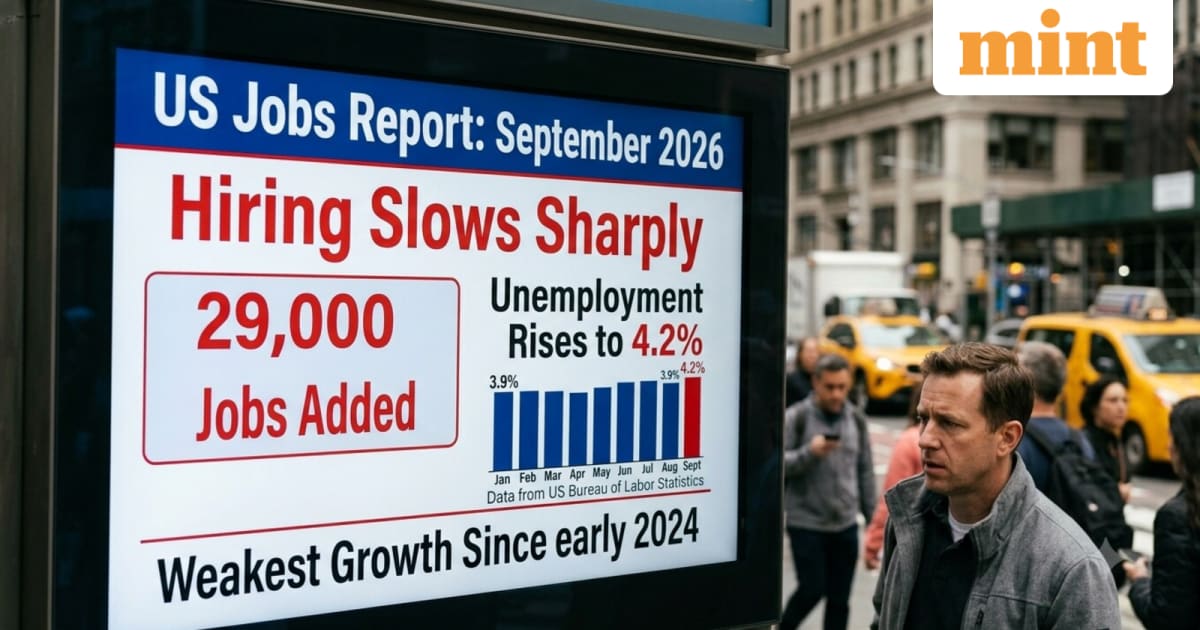
The US job market is cooling, pushing Nasdaq to record highs and reigniting hopes for earlier Fed rate cuts. This seismic shift in global monetary policy outlook is a significant tailwind for the Indian stock market, particularly the IT services sector. WelthWest Research Desk delves into the intricate connections and actionable insights for investors.
Nasdaq's Ascent: Dissecting the US Jobs Data and Its Ripple Effect on Indian Equities
The global financial landscape is currently undergoing a significant recalibration, triggered by recent economic indicators from the United States. Specifically, softer-than-expected US jobs data has sent a clear signal to markets: the US Federal Reserve's aggressive tightening cycle may be nearing its end, with rate cuts potentially on the horizon sooner than previously anticipated. This perception shift has propelled the technology-heavy Nasdaq Composite to unprecedented record highs, a phenomenon that carries profound implications for international capital flows and, crucially, for the Indian stock market.
The core event is the moderation in US labor market strength. While still robust, the latest jobs report indicated a slight easing, which is being interpreted by bond markets as a precursor to abating inflationary pressures. Consequently, US Treasury yields have declined, directly reducing the discount rate applied to future earnings, thereby boosting the valuation of growth stocks – a category dominated by technology companies. Simultaneously, Europe's strategic release of diesel reserves underscores a proactive approach to energy supply management, contributing to a more stable global energy price environment, which indirectly supports broader economic stability.
For Indian investors, this confluence of events is a powerful catalyst. A potential easing of US monetary policy typically strengthens global risk sentiment, making emerging markets like India more attractive to foreign institutional investors (FIIs). Increased FII inflows into India can lead to a stronger Rupee, lower domestic borrowing costs, and a re-rating of Indian equities, especially those sectors highly sensitive to global economic cycles and capital availability. This isn't merely a fleeting trend; it represents a fundamental shift in the macro narrative that demands immediate attention and strategic portfolio adjustments.
How Will Softer US Jobs Data Impact Indian IT Services Exports?
The Indian IT services sector stands as a primary beneficiary of an improved US economic outlook and the prospect of lower interest rates. The United States remains the largest market for Indian IT companies, accounting for over 60% of their revenue. When the US economy shows signs of stability and potential growth acceleration, typically spurred by accommodative monetary policy, American corporations often increase their technology spending, digital transformation initiatives, and outsourcing contracts. This directly translates into higher deal wins and revenue growth for Indian IT majors.
Consider the historical correlation: during periods of anticipated US economic expansion and lower interest rates, Indian IT stocks have frequently outperformed. For instance, following similar signals of potential Fed easing in late 2022, the Nifty IT index saw a significant rebound, indicating the sector's sensitivity to global monetary policy shifts. The current scenario provides a similar tailwind. Lower interest rates in the US also reduce the cost of capital for American businesses, freeing up more budget for strategic investments, including IT services. Furthermore, a stronger Rupee, a likely outcome of increased FII inflows, can provide a marginal benefit to IT companies by reducing the Rupee-denominated cost of their overseas operations, though the primary driver remains increased client spending.
The current environment fosters a more optimistic outlook for client spending in critical verticals such as financial services, manufacturing, and retail, all significant revenue contributors for Indian IT firms. As global growth prospects improve, companies are more inclined to invest in long-term digital transformation projects, cloud migration, and AI integration, areas where Indian IT services companies possess deep expertise and competitive advantages. This isn't just about volume; it's about the potential for higher-value, more complex projects that command better margins.
Which Indian Stocks Will Benefit Most from Global Risk-On Sentiment?
The shift towards a global 'risk-on' sentiment, driven by anticipated Fed easing, creates a fertile ground for several segments of the Indian stock market. While IT services are direct beneficiaries, the impact is far broader. Growth stocks across various sectors are poised for re-rating as lower discount rates enhance their present value. Furthermore, the overall improvement in FII sentiment tends to lift the entire market, with large-cap, liquid stocks often seeing the first wave of capital inflows.
- TCS (Tata Consultancy Services): As India's largest IT services exporter with a market capitalization exceeding $170 billion, TCS is a bellwether for the sector. Its strong order book, diversified client base across critical geographies (with significant US exposure), and focus on high-growth areas like cloud, AI, and cybersecurity position it to capture increased client spending. A P/E ratio of around 30x (trailing twelve months) reflects its premium positioning, but growth acceleration due to improved global sentiment could justify further upside.
- Infosys: Another IT giant, Infosys, with a market cap of approximately $70 billion, is known for its strong consulting capabilities and enterprise solutions. Improved US economic sentiment directly translates into better deal conversions and ramp-ups for its large transformational projects. Historically, Infosys has demonstrated robust execution in favorable macro environments. Its current P/E is closer to 25x, offering a potentially attractive entry point given its growth trajectory.
- HCLTech: With a focus on engineering and R&D services, HCLTech ($45 billion market cap) is uniquely positioned to benefit from increased technology innovation budgets globally. Its strong presence in product engineering and platform modernization will see heightened demand as US companies invest in next-generation technologies. The stock's P/E of around 22x suggests good value relative to its peers.
- Wipro: Wipro ($35 billion market cap) is undergoing a strategic transformation, and a renewed global spending cycle could accelerate its turnaround efforts. Its focus on strategic partnerships and large deal wins makes it sensitive to improved client confidence. Any sustained uptick in US corporate spending would be a significant tailwind for Wipro's growth initiatives.
- Tech Mahindra: Specializing in telecom and manufacturing IT services, Tech Mahindra ($15 billion market cap) could see renewed vigor as the global 5G rollout continues and manufacturing sectors worldwide invest in automation and digital twins. A more stable global economic environment encourages these long-term infrastructure investments.
- Reliance Industries (Indirect Beneficiary): While not directly an IT stock, Reliance Industries, with its massive O2C (Oil to Chemicals) segment, indirectly benefits from global energy price stability. Europe's diesel reserve release, alongside other supply management efforts, helps keep crude oil prices in check. Stable energy prices reduce input costs for RIL's refining operations and provide a more predictable environment for its petrochemical ventures. Moreover, its rapidly expanding Jio Platforms and Retail segments also benefit from a stronger domestic economy fueled by FII inflows.
Expert Perspectives: Bulls vs. Bears on the Indian Market Outlook
The current market narrative, while predominantly bullish, is not without its dissenting voices. The bullish camp firmly believes that the softer US jobs data is the 'goldilocks' scenario: just enough cooling to curb inflation without tipping the economy into recession. They argue this provides the Fed with the necessary room to cut rates, unleashing pent-up investment and consumption. For India, this translates into sustained FII inflows, a stronger Rupee (potentially appreciating past 82 against the USD), and a re-rating of growth stocks, particularly within the IT sector which offers both defensive characteristics and growth potential. They point to India's robust domestic consumption story, strong corporate earnings, and stable political environment as additional layers of resilience, making it a preferred emerging market destination.
Conversely, the bearish perspective warns against premature optimism. They contend that while jobs data has softened, core inflation remains sticky, particularly in services. This could force the Fed to maintain a 'higher for longer' stance, or even if cuts occur, they might be shallower and slower than the market anticipates. Bears also highlight potential risks from geopolitical instability, which could disrupt global supply chains and energy markets, negating the positive impact of reserve releases. Furthermore, they argue that Indian equities, particularly large caps, are already trading at elevated valuations (Nifty 50 P/E around 20x), leaving limited room for further multiple expansion without significant earnings growth. A rapid Rupee appreciation, while beneficial for some, could also hurt export-oriented sectors not directly tied to IT, making Indian goods less competitive globally.
The truth likely lies somewhere in between, but the dominant sentiment is undeniably leaning towards optimism, driven by the prospect of global monetary easing.
Actionable Investor Playbook: Navigating the New Macro Environment
Given the evolving macro landscape, investors should consider several strategic adjustments:
- Buy/Accumulate: High-quality Indian IT services stocks (TCS, Infosys, HCLTech) on dips, focusing on companies with strong deal pipelines and exposure to digital transformation themes. Consider growth-oriented mid-cap IT players for higher beta exposure. Also, look at select export-oriented manufacturing companies that can leverage a stable global demand environment.
- Watch: Indian private sector banks. While lower rates can compress NIMs initially, increased economic activity and credit growth driven by FII inflows and a stronger Rupee could offset this. Monitor their loan growth and asset quality closely.
- Entry Points: For IT majors, use any market corrections or sector-specific news-driven dips as accumulation opportunities. Their long-term growth story remains intact, bolstered by current global tailwinds.
- Time Horizon: A medium-to-long term (12-24 months) horizon is advisable to fully capitalize on the structural shifts driven by potential Fed easing and sustained FII interest in India.
- Consider: Diversifying into Indian consumption-driven sectors, as a stronger domestic economy and higher disposable incomes (due to potential interest rate cuts by RBI, following the Fed) will benefit these segments.
Risk Matrix: Potential Headwinds to the Bullish Narrative
While the outlook is largely positive, several risks could temper the bullish sentiment:
- Sticky Inflation (Probability: Medium): Despite softer jobs data, if core inflation (excluding volatile food and energy) remains elevated, the Fed might be compelled to delay rate cuts or implement fewer than currently priced in by the market. This would reverse the current yield decline and dampen growth stock valuations.
- Geopolitical Escalation (Probability: Medium): Unforeseen geopolitical events, particularly in energy-producing regions, could disrupt global supply chains and lead to a sharp spike in energy prices. This would reignite inflationary pressures and force central banks to maintain a hawkish stance, overriding the positive impact of reserve releases.
- Deterioration in US Corporate Earnings (Probability: Low-Medium): While the outlook is improving, a sharper-than-expected slowdown in US corporate earnings could lead to reduced IT spending, even with lower interest rates. This would directly impact Indian IT services providers.
- Domestic Policy Missteps or Election Uncertainty (Probability: Low): While India's macro fundamentals are strong, any unexpected domestic policy changes or significant political uncertainty could deter FIIs, regardless of global sentiment.
What to Watch Next: Key Catalysts and Data Releases
Investors should closely monitor the following to gauge the sustainability and direction of the current market trends:
- US Inflation Data (CPI & PCE): Upcoming Consumer Price Index (CPI) and Personal Consumption Expenditure (PCE) reports will be critical. A sustained moderation in these inflation metrics is essential for the Fed to proceed with rate cuts.
- Fed Speeches and FOMC Minutes: Statements from Federal Reserve officials and the minutes from Federal Open Market Committee (FOMC) meetings will offer insights into the Fed's thinking and timeline for policy adjustments.
- Indian IIP and Manufacturing PMI: Domestic industrial production and manufacturing Purchasing Managers' Index (PMI) data will indicate the strength of India's internal economy and its ability to absorb global capital inflows.
- FII Flow Data: Daily and weekly FII investment data from NSDL will provide real-time insights into foreign investor sentiment towards Indian equities. A consistent positive trend would reinforce the bullish narrative.
- Q1 FY25 Earnings of Indian IT Companies: The upcoming earnings season for Indian IT majors will provide concrete data on client spending, deal wins, and revenue growth, validating or challenging the current optimistic outlook.
The convergence of softer US jobs data, declining yields, and a surging Nasdaq marks a pivotal moment for global markets. For Indian investors, this is an opportunity to strategically position portfolios to capitalize on renewed FII interest, a strengthening Rupee, and the potential for robust growth in key sectors, particularly technology services.
See TCS's AI Score
Our algorithmic screener scores TCS on fundamentals, momentum, and risk — free to try, no card needed.
Try the AI Screener →Have questions about this story?
Ask Welth, our finance-focused AI research assistant, for a deeper breakdown — free trial included.
Chat with Welth AI →Disclaimer: This content is generated by WelthWest Research Desk based on publicly available reports and is for informational purposes only. It does not constitute financial advice, investment recommendations, or an offer to buy or sell securities. Always consult a qualified financial advisor before making investment decisions.