Key Takeaway
Renault’s move into the Samurai bond market signals a desperate search for low-cost liquidity amid global rate volatility. For Indian investors, this highlights a critical currency risk—the potential for a Yen carry-trade unwind that could tighten liquidity for multinational-linked auto manufacturers.
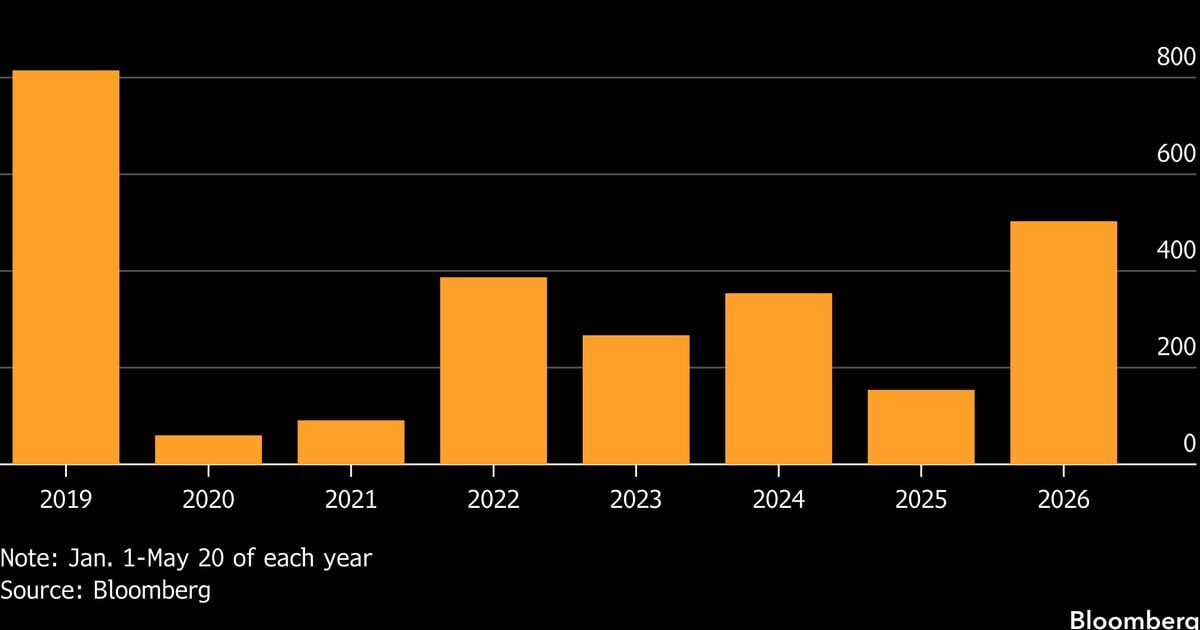
Renault’s latest foray into the Japanese debt market is more than a corporate financing decision; it is a bellwether for global liquidity. As foreign automakers secure cheaper yen-denominated capital, Indian domestic giants face a shifting landscape of cost-of-capital competition and currency-linked volatility.
The Samurai Shift: Decoding Renault’s Latest Debt Strategy
In a move that has caught the attention of global treasury desks, French automotive giant Renault has tapped the Samurai bond market. This is not merely a routine corporate financing exercise; it is a calculated response to the persistent yield volatility currently roiling Western credit markets. By locking in funding in Japanese Yen, Renault is leveraging the Bank of Japan’s (BoJ) long-standing commitment to ultra-loose monetary policy, effectively insulating itself from the high-interest-rate environments currently dampening growth in Europe and the United States.
For the astute investor, the 'Samurai' trend is a canary in the coal mine. When multinational corporations pivot toward the Yen, they are betting that the spread between BoJ rates and the rest of the world will remain wide enough to justify the currency risk. For the Indian market, this creates a ripple effect, potentially altering the cost-of-capital structure for local subsidiaries and foreign-linked automotive players.
How does the Samurai bond market affect Indian auto stocks?
The connection between Tokyo’s bond market and the National Stock Exchange (NSE) is anchored in the 'Carry Trade.' Historically, when the Yen is cheap, global capital flows into higher-yielding emerging markets. However, as foreign automakers increase their issuance of Yen-denominated debt, they create outflow pressure on the Yen. If the BoJ eventually pivots toward tightening, we could see a massive 'unwinding' of these trades, which historically triggers liquidity crunches in emerging markets like India.
When the Yen strengthens unexpectedly, multinational firms often repatriate capital, leading to temporary sell-offs in Nifty Auto constituents. We saw a precursor to this in mid-2022, when global debt volatility caused a 4-6% contraction in auto-sector liquidity within a single quarter. For companies like Maruti Suzuki, which maintains deep ties to Japanese capital and technology, the cost of funding and the valuation of its parent company’s equity become inextricably linked to the JPY/INR parity.
Stock-by-Stock Breakdown: Winners and Vulnerabilities
1. Maruti Suzuki (MARUTI): As a subsidiary of Suzuki Motor Corp, Maruti is the most sensitive to Yen volatility. While it is a domestic powerhouse with a market cap exceeding ₹3.5 lakh crore, its royalty payments and technology transfer costs are yen-linked. A weakening Yen is a tailwind, but a sudden Japanese rate hike would inflate its operational costs.
2. Tata Motors (TATAMOTORS): With JLR (Jaguar Land Rover) under its umbrella, Tata Motors is a global entity. It is less sensitive to the Yen than Maruti but highly sensitive to global debt market sentiment. If global automakers pivot to Samurai bonds, it forces Tata to remain aggressive in its own debt management to maintain competitive pricing in international markets.
3. Mahindra & Mahindra (M&M): M&M operates with a more localized debt profile compared to its peers. However, as a major player in the SUV segment, it competes directly with Renault-Nissan offerings. If Renault secures cheaper capital, it could potentially subsidize aggressive pricing in the Indian market to capture market share, pressuring M&M's margins.
4. Ashok Leyland (ASHOKLEY): Primarily a domestic play, Ashok Leyland faces indirect pressure. As global liquidity tightens, the cost of credit for commercial vehicle buyers (who rely heavily on financing) tends to rise, potentially slowing down the replacement cycle for heavy trucks.
The Contrarian View: Bulls vs. Bears
The Bull Case: Proponents argue that the Samurai bond issuance is a sign of corporate confidence. By securing long-term, low-interest capital, companies like Renault are fueling R&D for the EV transition, which will eventually lower costs for the entire global supply chain, including Indian vendors who supply components to these multinationals.
The Bear Case: Critics warn of a 'liquidity trap.' If the BoJ is forced to exit its negative interest rate policy (NIRP) faster than anticipated, these companies will face a massive spike in debt servicing costs. Investors should fear a scenario where multinational automakers are forced to divest from emerging market subsidiaries to cover Yen-denominated debt obligations.
Actionable Investor Playbook
- Watch the JPY/INR Pair: If the Yen strengthens significantly, reduce exposure to companies with high royalty payments to Japanese parents (e.g., Maruti).
- Monitor Debt-to-Equity: Focus on auto companies with a debt-to-equity ratio below 0.5. These firms are better positioned to weather interest rate volatility.
- Time Horizon: This is a 12-18 month structural play. Do not react to daily news; look for quarterly shifts in the Bank of Japan’s policy stance as your primary indicator.
Risk Matrix
| Risk Factor | Probability | Impact |
|---|---|---|
| JPY/INR Currency Spike | Moderate | High |
| BoJ Rate Hike | Low/Moderate | High |
| Global Liquidity Squeeze | Moderate | Medium |
What to Watch Next
Investors must keep a close eye on the Bank of Japan’s Policy Board meetings. Any signal regarding a shift in yield curve control (YCC) will be the primary catalyst for a shift in the Samurai bond market. Additionally, monitor the RBI’s MPC minutes; if the RBI continues to maintain higher rates while the BoJ tightens, the resulting interest rate differential will create significant volatility for Indian auto stocks with high foreign debt exposure.
See MARUTI's AI Score
Our algorithmic screener scores MARUTI on fundamentals, momentum, and risk — free to try, no card needed.
Try the AI Screener →Have questions about this story?
Ask Welth, our finance-focused AI research assistant, for a deeper breakdown — free trial included.
Chat with Welth AI →Disclaimer: This content is generated by WelthWest Research Desk based on publicly available reports and is for informational purposes only. It does not constitute financial advice, investment recommendations, or an offer to buy or sell securities. Always consult a qualified financial advisor before making investment decisions.
