News & Analysis
AI-powered market intelligence from WelthWest Research Desk. Original analysis, not just news.
2698 articles · Page 64 of 225
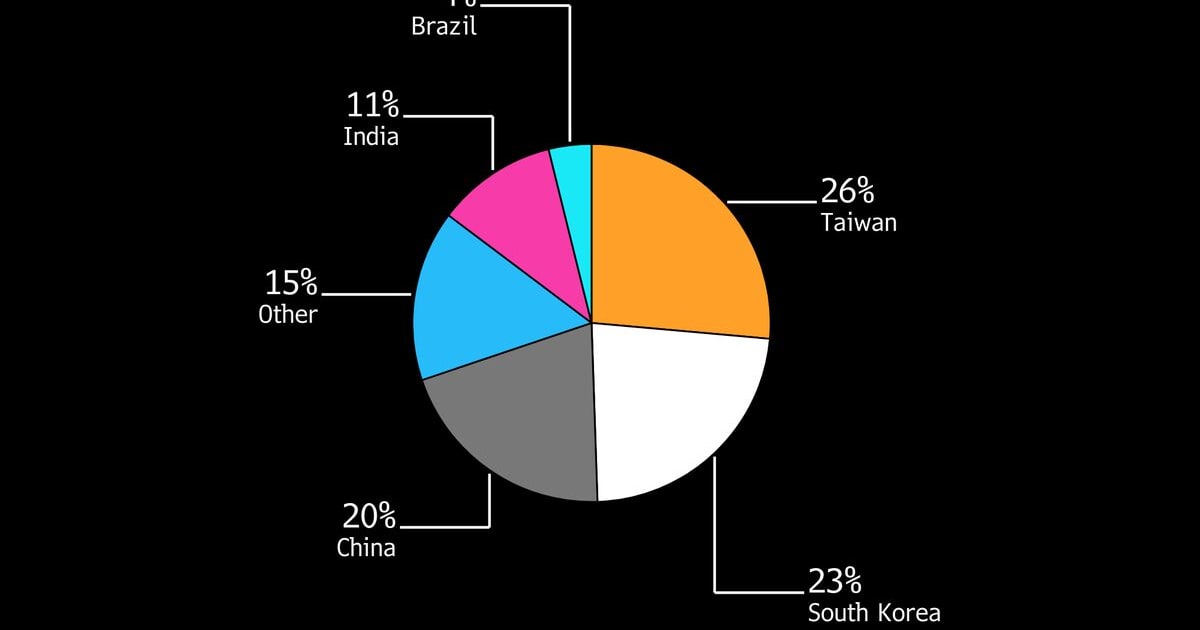
MSCI Upgrade: Korea Exit Sparks India Rally? Your Guide to Emerging Market Shifts
The global financial stage is set for a seismic shift as South Korea inches closer to MSCI Developed Market status. This reclassification will force a monumental reallocation of passive fund capital, presenting a golden opportunity for Indian equities. Our analysis reveals how India could become the primary beneficiary, attracting substantial inflows.
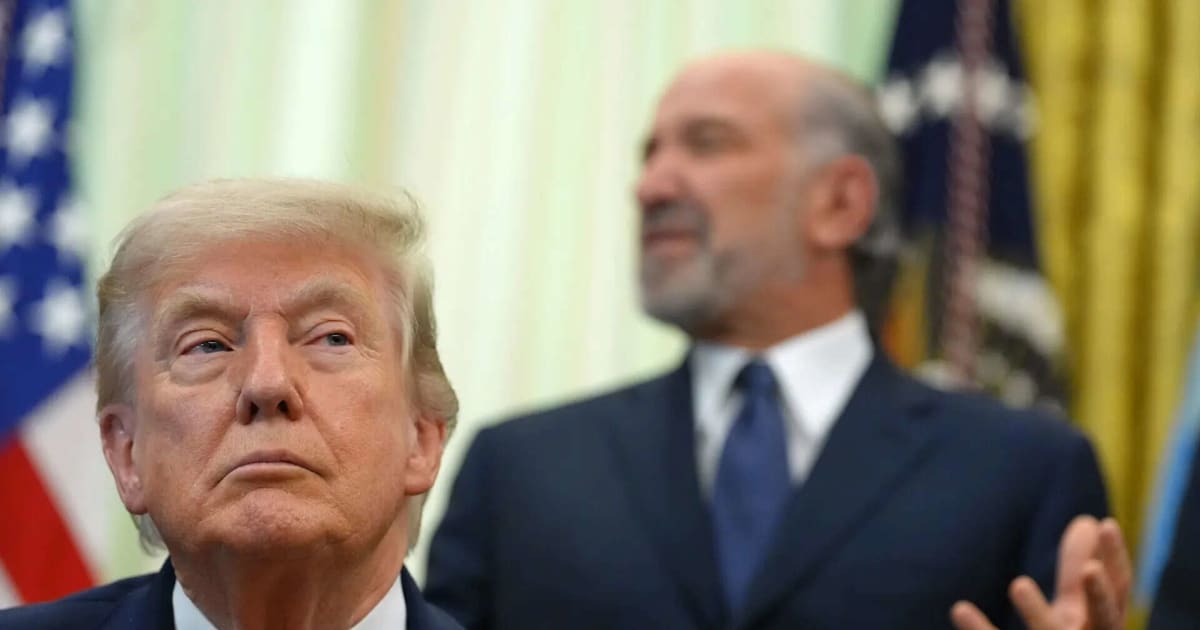
US-Iran Peace Deal: How a Reopened Strait of Hormuz Reshapes Indian Markets
Geopolitical de-escalation in the Middle East is set to trigger a paradigm shift in Indian equity markets. With oil prices poised for a correction, we break down the winners and losers in the energy, aviation, and manufacturing sectors.

SpaceX IPO: The Bitcoin Catalyst Reshaping Indian Institutional Portfolios
As SpaceX looms over a potential IPO, its $1.3 billion Bitcoin hoard stands as a beacon for institutional adoption. We analyze how this shift challenges traditional banking, disrupts gold-linked assets, and provides a new growth mandate for Indian technology firms navigating the digital asset frontier.
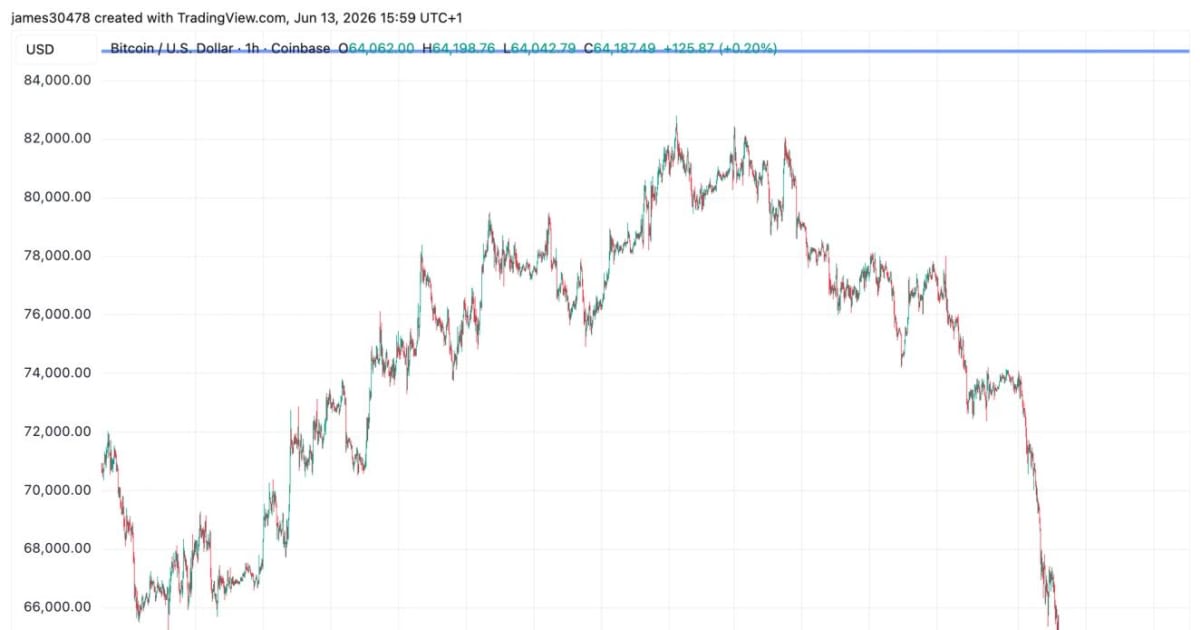
US-Iran Peace Deal: How Crude Oil Slump Will Trigger an Indian Market Rally
The potential normalization of US-Iran relations could trigger a seismic shift in global energy markets. For India, a net oil importer, this translates to cooling inflation, a narrowing current account deficit, and a significant valuation re-rating for sectors heavily leveraged to crude oil input costs.

US Anthropic AI Ban: Why Indian IT Stocks (TCS, Infosys) Face a New Crisis
US regulators have effectively halted Anthropic’s most powerful model, causing pre-IPO valuations to crater and signaling a new age of aggressive AI oversight. For Indian IT giants like TCS and Infosys, this move exposes a dangerous dependency on third-party Western LLMs. This deep dive analyzes the systemic shift from the 'AI Gold Rush' to 'Regulatory Realism' and its direct impact on Nifty IT stocks.
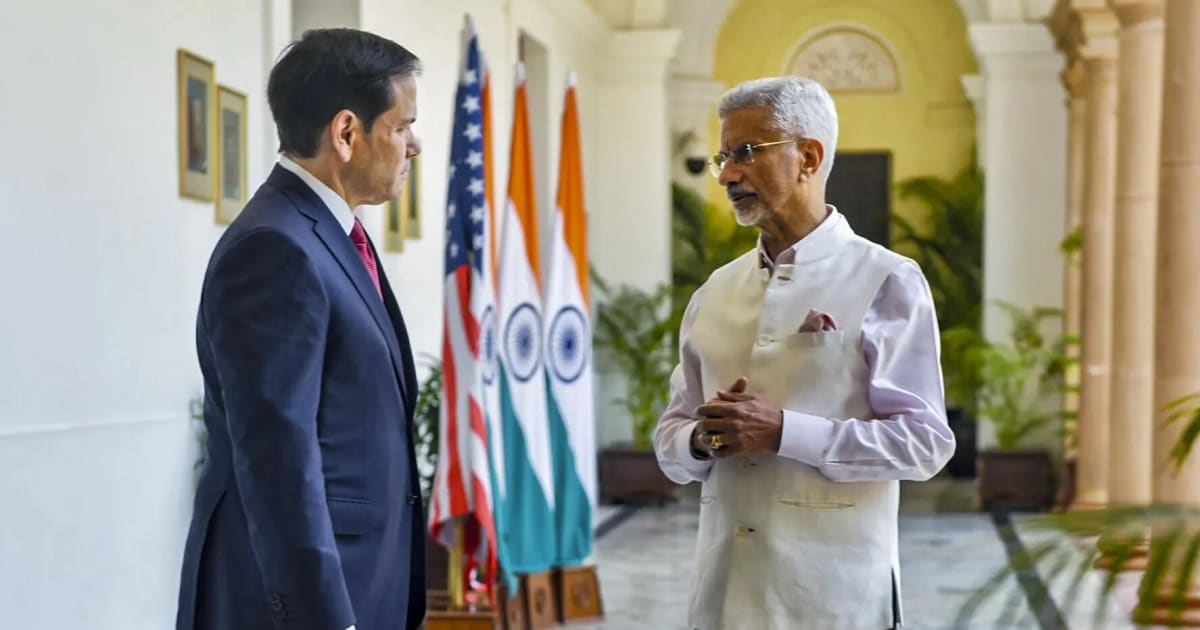
Strait of Hormuz Crisis: How US-India Friction Over Oil Blockades Impacts Nifty Energy Stocks
As US-India relations face a litmus test over the Strait of Hormuz blockade and Indian mariner fatalities, the energy sector braces for a supply-side shock. This investigative report breaks down the winners and losers in the NSE/BSE energy and logistics space, offering a strategic playbook for navigating the volatility.

US-Iran Peace Deal: How a Geopolitical Pivot Could Crash Oil Prices and Fuel an Indian Stock Market Rally
As diplomatic whispers of a US-Iran peace deal grow louder, the global energy landscape faces a tectonic shift. For India, the world's third-largest oil consumer, this de-escalation represents a significant macroeconomic 'get out of jail free' card, potentially lowering inflation and boosting corporate earnings across fuel-sensitive sectors.
US AI Export Ban: Why Anthropic Restrictions Threaten Indian IT Stocks
The US government's decision to restrict foreign access to Anthropic’s Fable 5 and Mythos 5 models marks a paradigm shift in tech geopolitics. This investigative report explores the systemic risks for Indian IT giants like TCS and Infosys, the sudden valuation surge for domestic infrastructure providers like Netweb Technologies, and the strategic urgency for India's Sovereign AI mission.

US AI Export Restrictions: Why Indian IT Stocks Face a New 'AI-Apartheid' Crisis
As Washington restricts access to cutting-edge AI models on national security grounds, the Indian IT landscape faces a structural valuation threat. This investigative report explores how 'AI-Apartheid' could decouple Indian tech giants from the US innovation curve, impacting multi-billion dollar digital transformation pipelines and reshaping the investment thesis for Nifty IT constituents.

AI Shutdown Shock: Anthropic's AI Halt Spells Trouble for Indian Tech Stocks
A US government shutdown has unexpectedly disrupted the development of Anthropic's cutting-edge AI, sending ripples through the pre-IPO market and raising global AI sector concerns. This analysis delves into the ramifications for Indian technology stocks, exploring how this event could dampen investor sentiment, affect valuations, and necessitate a strategic re-evaluation of AI-centric portfolios.

SpaceX IPO Fever: Why Synthetic Asset Risks Threaten the RWA Tokenization Boom
As SpaceX valuation soars toward $210 billion, a new wave of synthetic tokenization platforms is promising retail investors a 'piece of the pie.' However, our investigation reveals significant counterparty risks and a lack of underlying asset backing in these RWA (Real World Asset) models. This article analyzes why Indian investors should pivot from high-risk synthetic 'IOUs' to the surging domestic space-tech ecosystem, featuring deep-dives into NSE-listed giants like HAL and MTAR Technologies.

Paramount-WBD Merger: How the $110B Deal Disrupts Indian Media Stocks
The US DOJ’s approval of the Paramount-WBD mega-merger marks a seismic shift in global entertainment. As this new entity scales, Indian media giants face unprecedented pressure on content costs and distribution. We analyze the winners, losers, and the specific impact on the NSE/BSE landscape.